Introduction & Current Status
Brian Eno. The name alone conjures images of sonic innovation, ambient textures, and a career that's consistently defied categorization. While he might not be topping the charts these days, his influence permeates modern music like a subtle, yet unmistakable, synth pad. From his early glam rock days with Roxy Music to his groundbreaking ambient works and production credits on iconic albums, Eno remains a vital force. He's the quiet genius who's shaped the sound of… well, everything.
Eno's recent work continues to explore the intersection of art, technology, and sound. He's still releasing thought-provoking albums, collaborating with contemporary artists, and pushing the boundaries of what music can be. His legacy as a pioneer in ambient music is secure, but he's far from content to rest on his laurels. He's always looking for new sonic territories to explore.
His impact extends beyond the music itself. Eno's theories on generative music and his embrace of technology as a creative tool have inspired countless artists and producers. He's not just a musician; he's a philosopher of sound, constantly challenging our perceptions and expectations.
Early Life & Background
Born Brian Peter George St John le Baptiste de la Salle Eno (yeah, try saying that five times fast) in 1948 in Woodbridge, Suffolk, England, his upbringing was a mix of post-war austerity and burgeoning artistic exploration. From an early age, Eno displayed a fascination with sound and technology. This curiosity would define his career.
He attended art school, where he experimented with tape recorders and unconventional musical techniques. These early explorations laid the foundation for his later ambient works. He wasn't interested in traditional musical training; he wanted to create new sounds and experiences.
Growing up in post-war Britain, Eno absorbed a wide range of influences, from classical music to experimental art. He was drawn to the avant-garde and the idea of pushing boundaries. It's safe to say he probably wasn't listening to the same stuff as his classmates.
Career Beginnings
Eno's career took off when he joined Roxy Music in the early 1970s. Initially, he was the band's technical and visual guru, manipulating synthesizers and adding a touch of glam-rock eccentricity to their sound. He brought a raw, experimental energy to the band.
However, his tenure with Roxy Music was relatively short-lived. Creative tensions and differing artistic visions led to his departure in 1973. While some might see it as a setback, it was actually a pivotal moment in Eno's career, freeing him to pursue his own unique path.
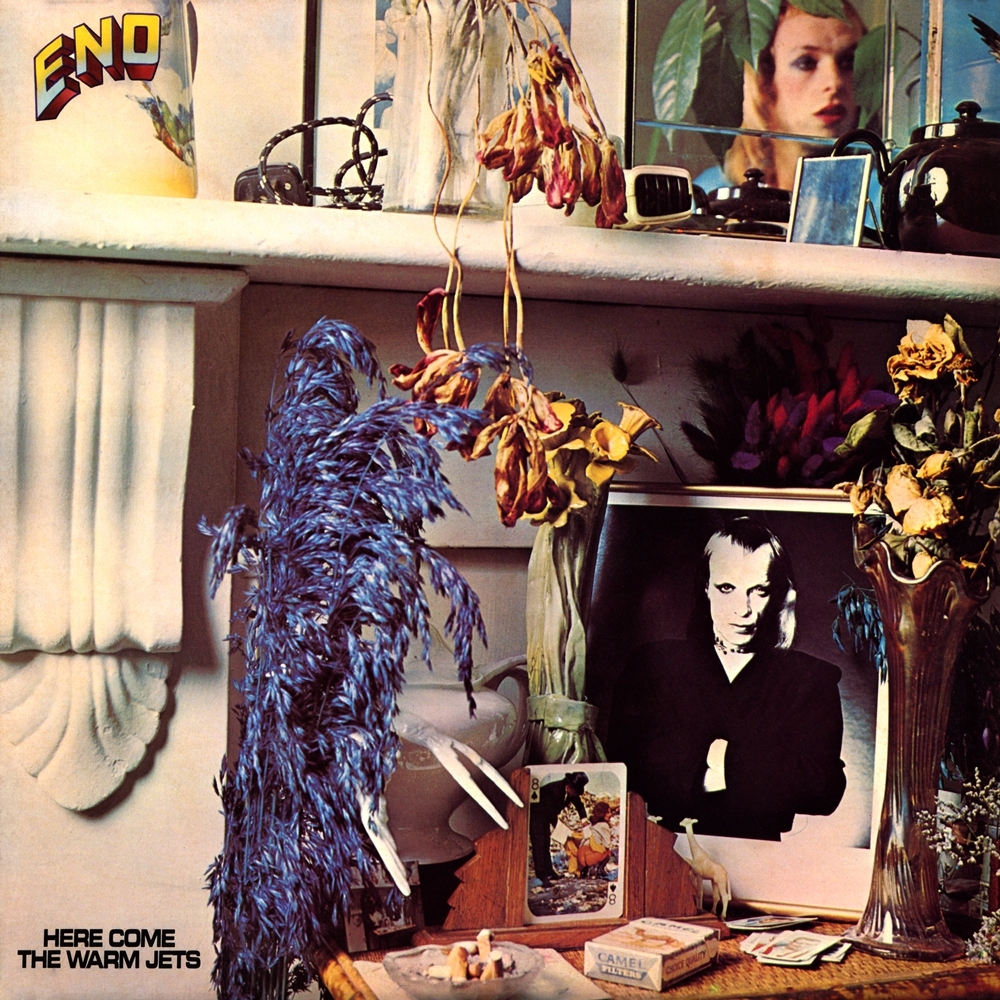
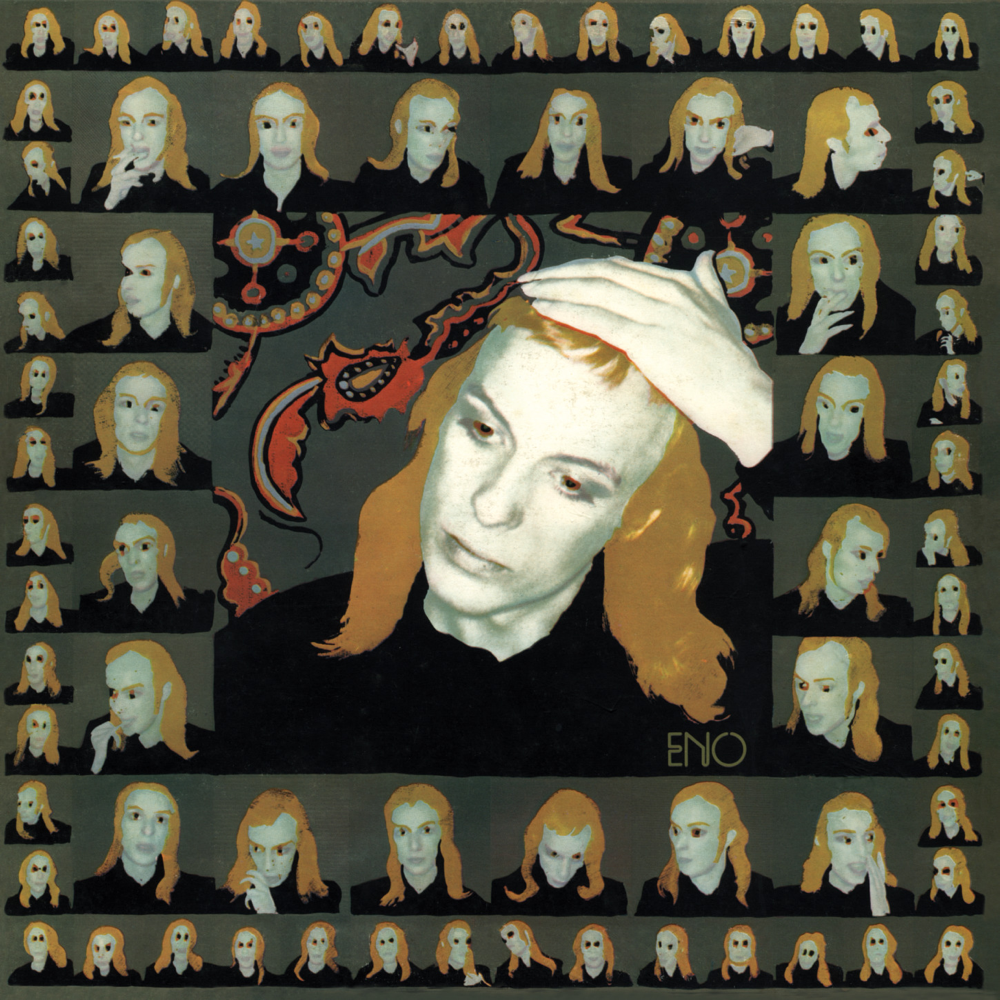
After leaving Roxy Music, Eno embarked on a solo career that would cement his status as a true innovator. His early solo albums, like "Here Come the Warm Jets" and "Taking Tiger Mountain (By Strategy)," were quirky, experimental, and unlike anything else at the time. He was officially off to the races.
Major Albums & Discography
Brian Eno's discography is a sprawling and diverse landscape, ranging from art-pop to ambient soundscapes. "Here Come the Warm Jets" (1973) established his solo voice: a blend of glam rock, art-pop, and avant-garde experimentation. It was weird. It was wonderful. It was the beginning of something special.
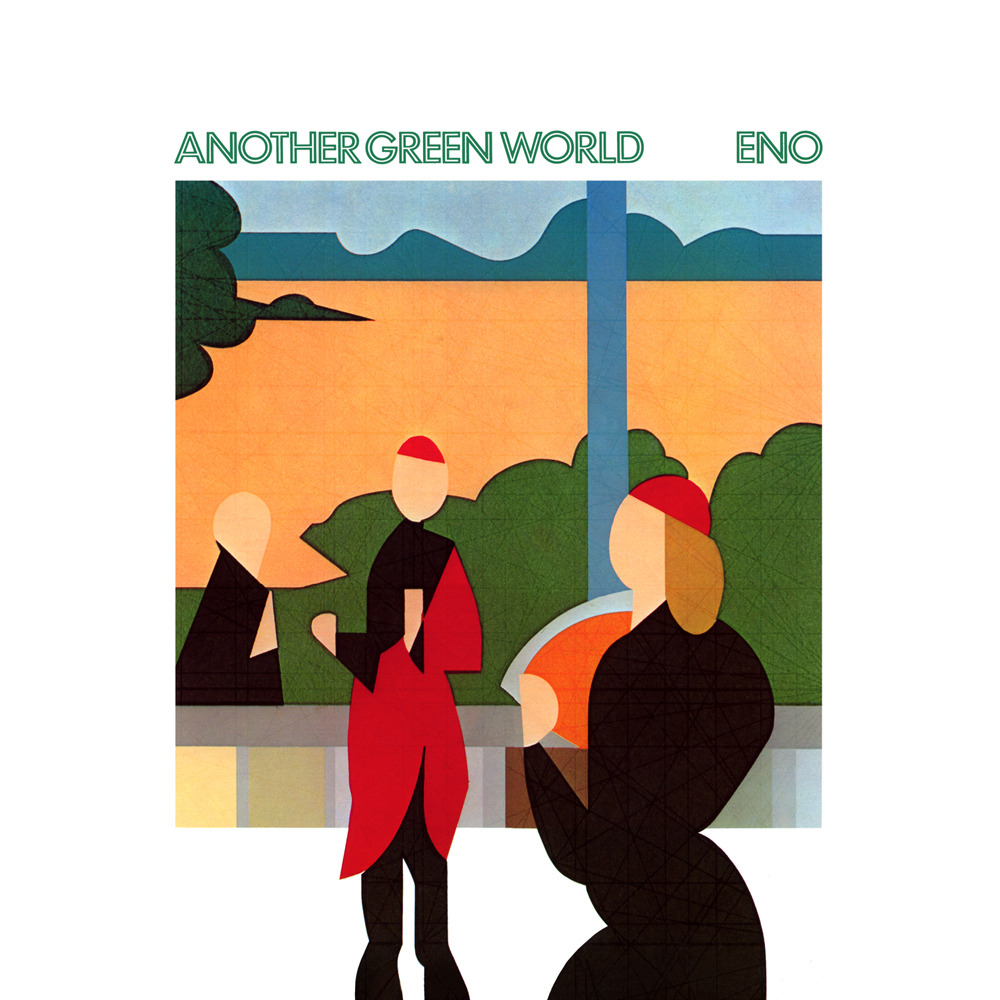
"Another Green World" (1975) marked a shift towards a more atmospheric and textural sound, hinting at the ambient explorations to come. The album showcased Eno's growing interest in using the studio as an instrument, manipulating sounds and creating unique sonic environments. It's the kind of record you put on when you want to feel like you're floating in space.
But it was "Ambient 1: Music for Airports" (1978) that truly cemented Eno's legacy as the father of ambient music. This groundbreaking album presented a radical new approach to music, designed to be unobtrusive and atmospheric. It wasn't meant to be actively listened to, but rather to create a calming and immersive environment. Imagine waiting for a delayed flight and actually enjoying the background music.
Throughout the 1980s and beyond, Eno continued to release a steady stream of innovative and influential albums, exploring different facets of ambient music and electronic sound. Each album is a testament to his restless creativity and his unwavering commitment to pushing boundaries. He's basically the sonic equivalent of a mad scientist.
Hit Songs & Signature Tracks
While Brian Eno isn't exactly known for chart-topping singles, he has a few tracks that have become cult classics and staples of his live performances (when he decides to perform live, that is). "Needle in the Camel's Eye" from "Here Come the Warm Jets" is a prime example of his early art-rock sound.
"The Great Pretender" (not the Platters song), also from "Here Come the Warm Jets", is a playful deconstruction of rock and roll tropes. It's the kind of song that makes you want to dance… ironically.
"Third Uncle" from "Taking Tiger Mountain (By Strategy)" is another fan favorite, showcasing Eno's talent for creating catchy and experimental melodies. It's a song that's both accessible and challenging, a perfect example of Eno's unique artistic vision.
It's important to remember that Eno's influence isn't always about hit singles. It's about the overall sonic landscape he creates and the way he challenges our perception of music. He's the anti-pop star who's somehow become a pop icon.
Collaborations & Features
Brian Eno's collaborative spirit has led to some of the most iconic and influential albums in music history. His work with David Bowie on the "Berlin Trilogy" ("Low", "Heroes", and "Lodger") helped to define Bowie's experimental sound and pushed the boundaries of art-rock. Imagine being a fly on the wall during those recording sessions.
He also produced several albums for Talking Heads, including "More Songs About Buildings and Food", "Fear of Music", and "Remain in Light", helping to shape their unique blend of art-rock, funk, and world music. Eno's influence is undeniable on these albums; he helped the band to unlock their full potential.
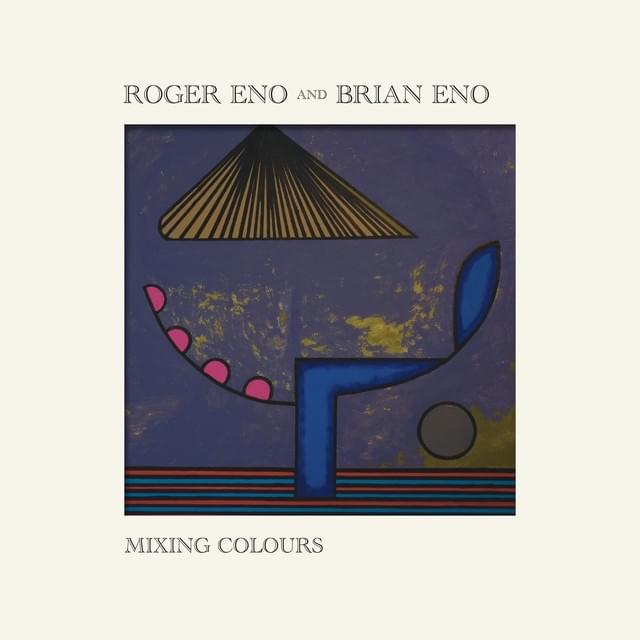
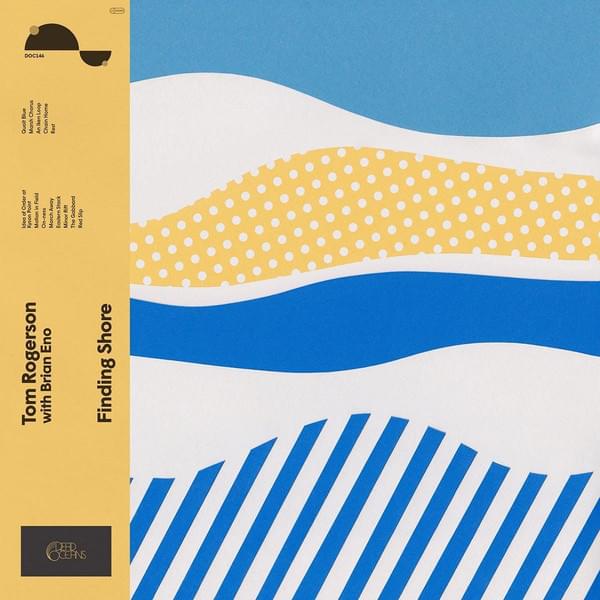
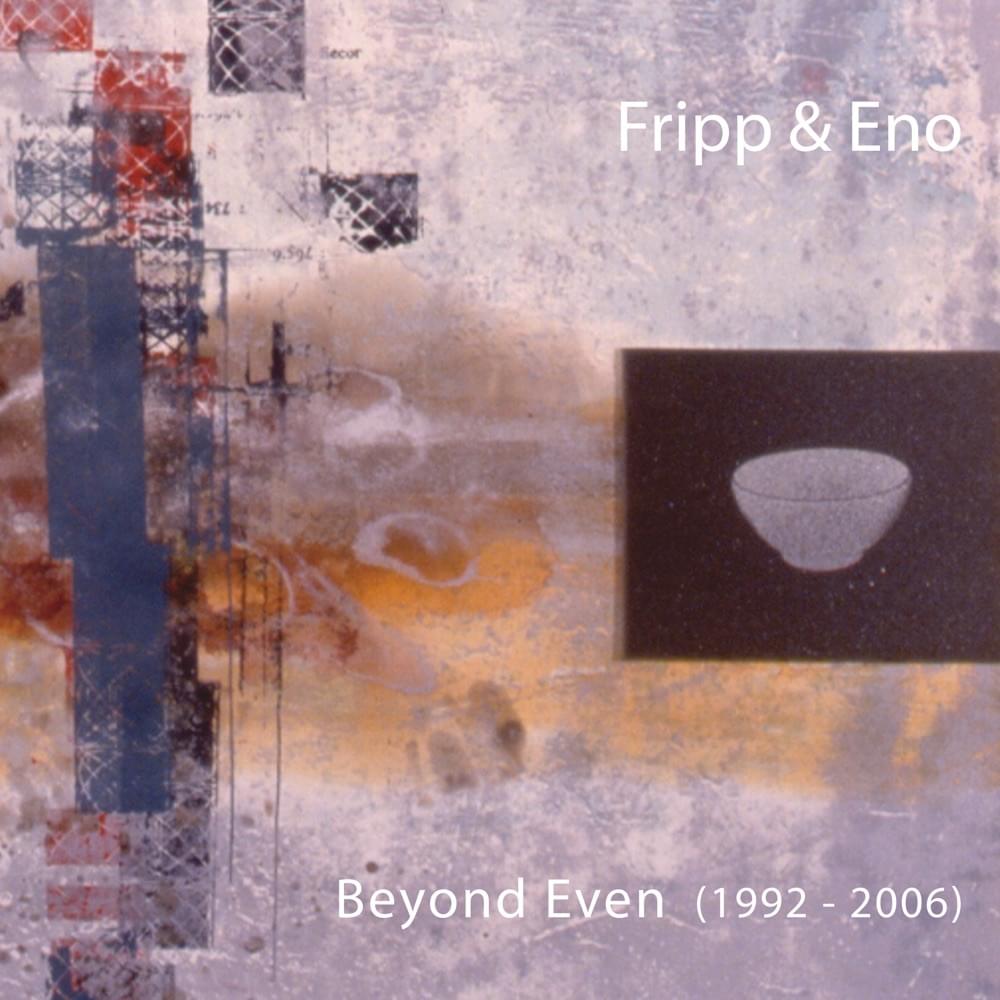
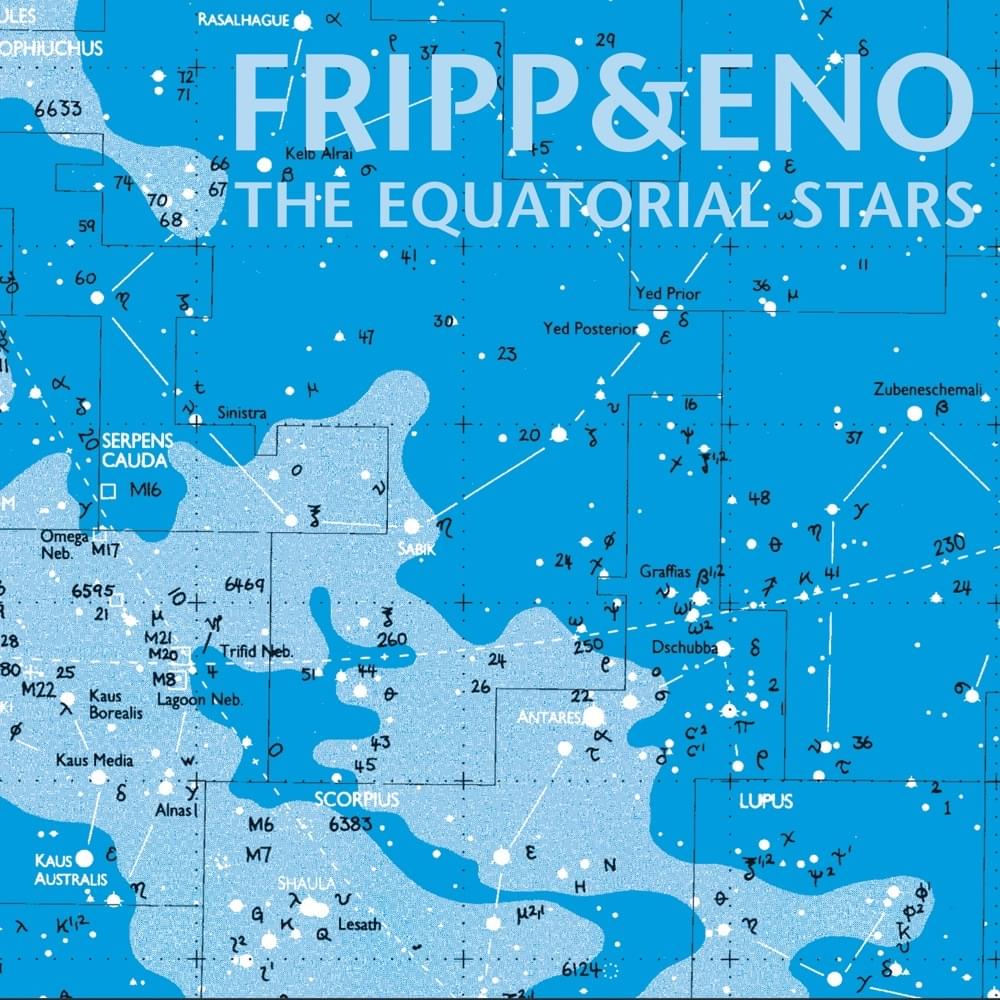
Beyond his work with Bowie and Talking Heads, Eno has collaborated with a wide range of artists, including U2, Coldplay, and James Blake. He's a sonic chameleon, able to adapt to different styles and genres while still bringing his own unique perspective to the table. He's the ultimate collaborator.
Awards & Achievements
While Brian Eno isn't exactly drowning in Grammy Awards, his influence and contributions to music have been widely recognized. He received a Grammy Award for Best Rock Album for his work on U2's "The Joshua Tree" and has been nominated several times for his solo work.
More importantly, Eno has received numerous awards and accolades for his contributions to art and technology. He was awarded an honorary doctorate from the University of Sussex for his contributions to music and art and has been recognized by various organizations for his innovative use of technology in his work.
But perhaps his greatest achievement is the enduring influence he has had on generations of musicians and producers. He's the artist's artist, the producer's producer, the guy everyone looks up to when they want to push the boundaries of sound. He's a legend, plain and simple.
Personal Life
Brian Eno is known for being intensely private. What is known is that he has used his platform to advocate for various causes, including environmental protection and human rights. He's not just a musician; he's a citizen of the world.
He's also known for his intellectual curiosity and his willingness to engage in philosophical discussions. He's the kind of guy you'd want to have at your dinner party, as long as you're prepared to talk about something other than the weather. Or maybe you'd just want to listen to him talk. Either way, it would be an experience.
Musical Style & Influence
Brian Eno's musical style is difficult to define, precisely because he's constantly reinventing himself. He's been described as an ambient musician, an art-rock pioneer, a sonic explorer, and a genre-bending innovator. But perhaps the most accurate description is simply: Brian Eno.
His influence can be heard in a wide range of genres, from electronic music to indie rock to contemporary classical music. He's inspired countless artists to experiment with sound, to challenge conventions, and to push the boundaries of what music can be. He's basically the Yoda of sound.
Eno's legacy is secure as one of the most important and influential musicians of the late 20th and early 21st centuries. He's not just a musician; he's a cultural icon, a visionary, and a true original. He's the guy who proved that music can be more than just entertainment; it can be an art form, a philosophical statement, and a way of exploring the world around us.
Recent Work & What's Next
Brian Eno continues to be active in the music world, releasing new albums, collaborating with other artists, and exploring new sonic territories. He remains committed to pushing boundaries and challenging conventions, always searching for new ways to create and experience sound. He's not slowing down anytime soon.
He is also increasingly focused on installations and visual art. He's expanded his creative horizons, using sound and light to create immersive and thought-provoking experiences. He's not just a musician; he's an artist in the truest sense of the word. Expect more innovation, more experimentation, and more sonic surprises from Brian Eno in the years to come. The world is waiting.