Introduction & Current Status
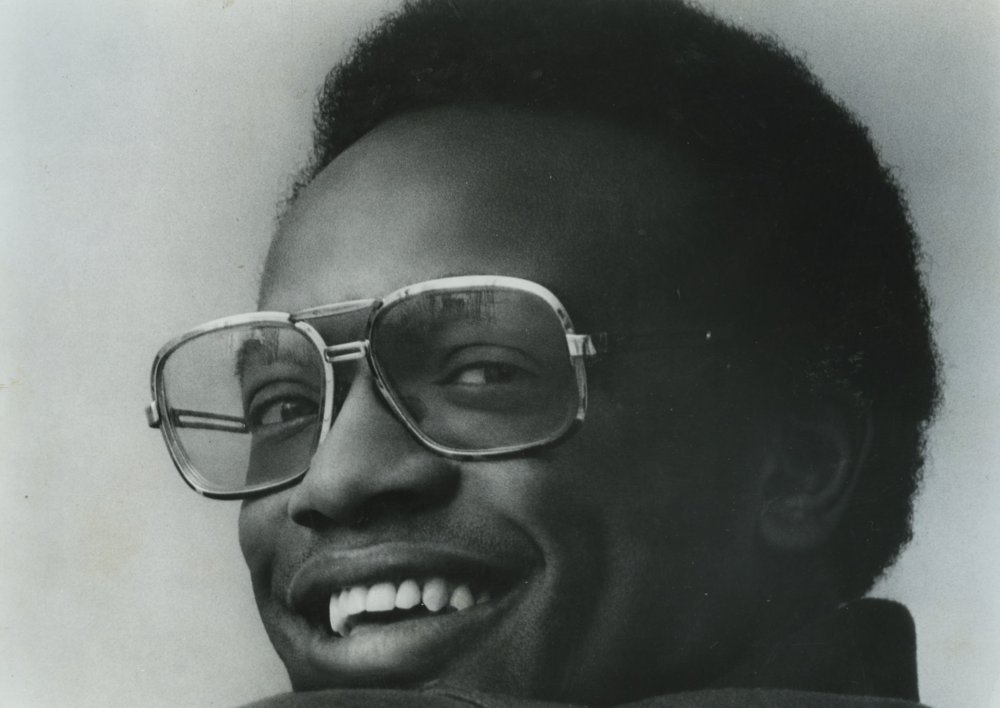
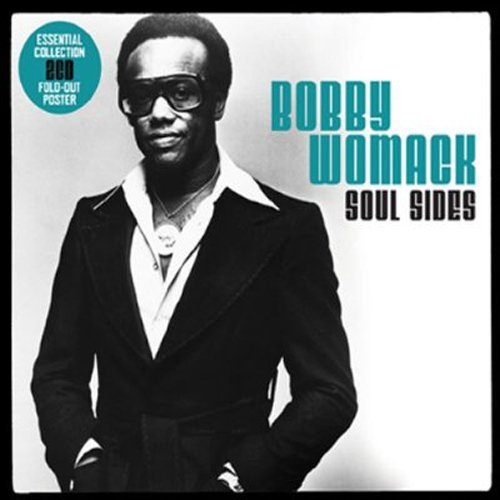
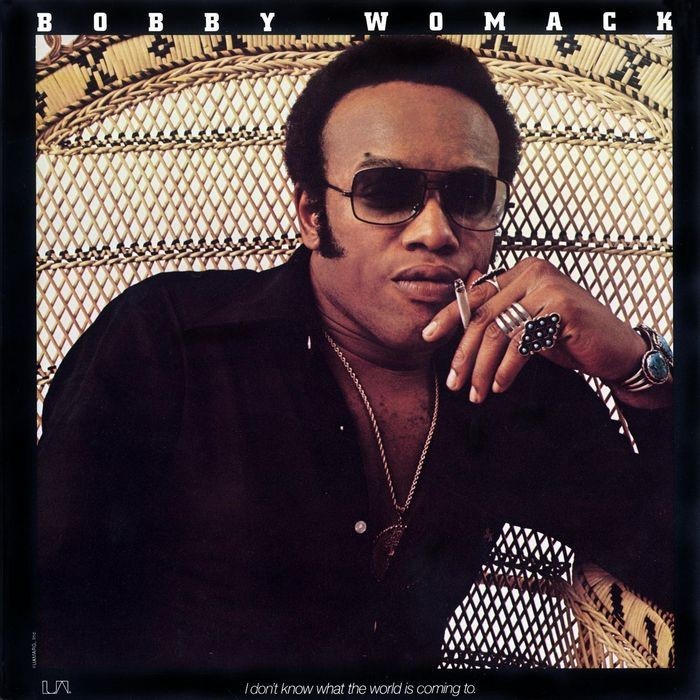
Bobby Womack. The name alone conjures up images of smoky clubs, raw emotion, and a voice that could melt glaciers. Though he passed away in 2014, Womack's music remains incredibly relevant. His influence can be heard in everything from contemporary R&B to alternative rock. He wasn't just a singer; he was a storyteller, a confessor, a survivor. Womack's sound – a potent blend of soul, gospel, and blues – continues to resonate, proving that true artistry transcends time.
His legacy lives on through streaming numbers, samples in hip-hop tracks, and the countless artists who cite him as a major influence. Womack's unflinching honesty and gritty realism made him a voice for the everyman. His songs explore themes of love, loss, addiction, and redemption with a vulnerability that is both captivating and heartbreaking. Even today, discovering Bobby Womack feels like uncovering a hidden treasure, a secret handshake into the heart of real soul music.
Early Life & Background
Born in Cleveland, Ohio, in 1944, Bobby Womack's early life was steeped in gospel music. His mother played organ in the church, and his father was a minister. The Womack family band, initially called The Womack Brothers, toured the gospel circuit, honing their skills and developing a tight-knit musical bond. This foundation in gospel would be crucial in shaping Womack's signature soul sound, providing him with the raw passion and vocal power that would define his career.
Growing up in the church also exposed Womack to the realities of life. He saw both the uplifting power of faith and the hypocrisy that could sometimes lurk beneath the surface. This duality would later inform his songwriting, giving his music a depth and complexity that set him apart. Beyond gospel, Womack soaked up the blues, country, and early rock and roll sounds that permeated the American airwaves, creating a melting pot of influences that would eventually explode onto the music scene.
Career Beginnings
The Womack Brothers transitioned from gospel to secular music in the early 1960s, rebranding themselves as The Valentinos. This shift caught the attention of Sam Cooke, the legendary soul singer, who signed them to his SAR Records label. Cooke became a mentor to Womack, guiding him through the treacherous waters of the music industry and helping him develop his songwriting skills. It was a pivotal moment that set the stage for Womack's solo career.
However, tragedy struck when Sam Cooke died in 1964. Womack's subsequent marriage to Cooke's widow, Barbara, caused a scandal that nearly derailed his career. Despite the controversy, Womack persevered, finding work as a session musician and songwriter for other artists. He played guitar on sessions for Wilson Pickett and Aretha Franklin, and penned hits for artists like The Rolling Stones and Janis Joplin, proving his talent was undeniable, even amidst personal turmoil.
Major Albums & Discography
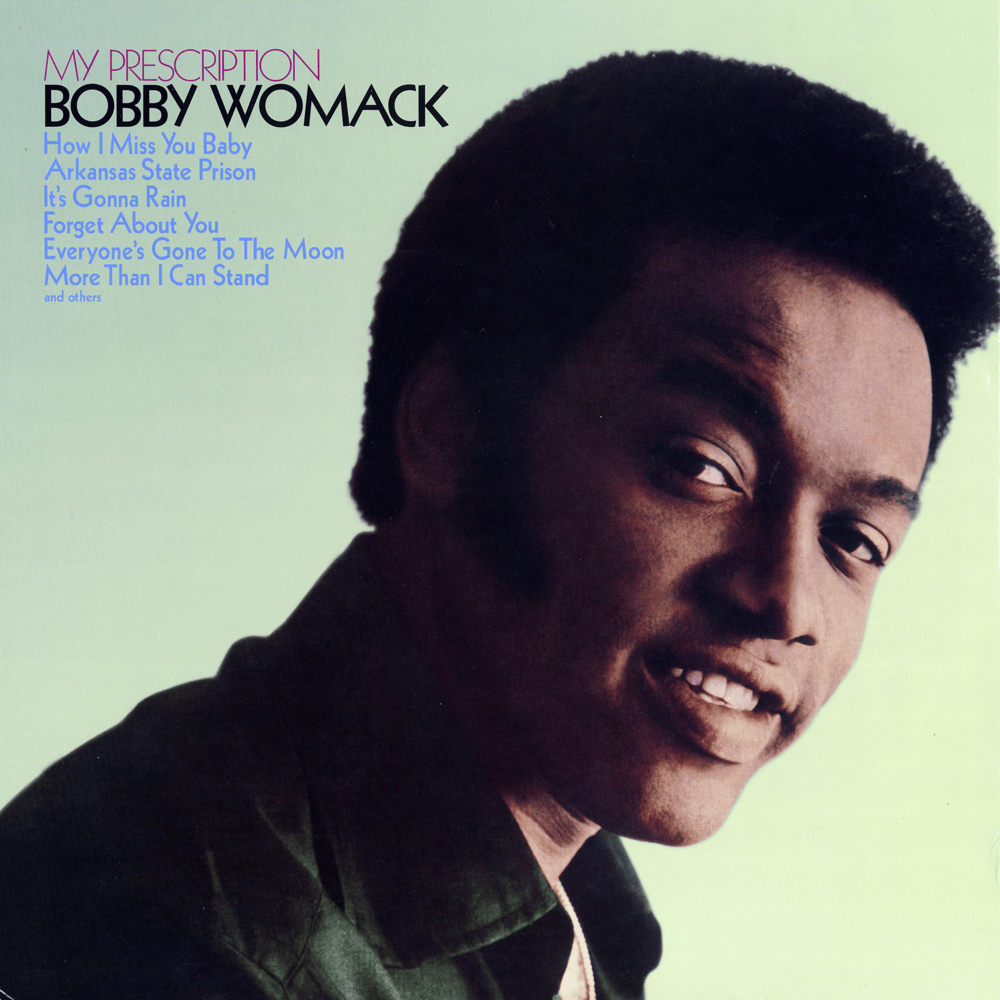
Womack's solo career officially launched in the late 1960s, and he quickly established himself as a force to be reckoned with. His albums were consistently raw, honest, and deeply personal, reflecting the ups and downs of his own life. While he never achieved the same level of mainstream superstardom as some of his contemporaries, his albums were critically acclaimed and earned him a devoted following.
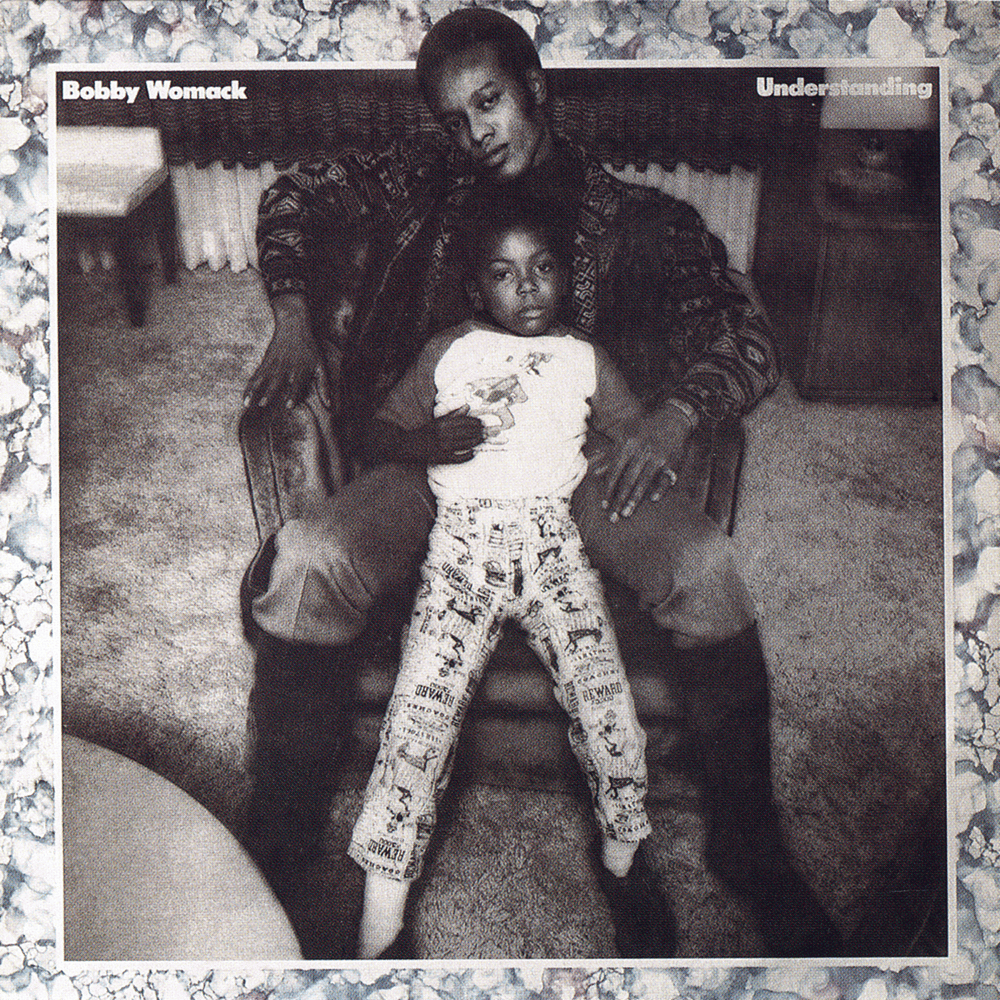
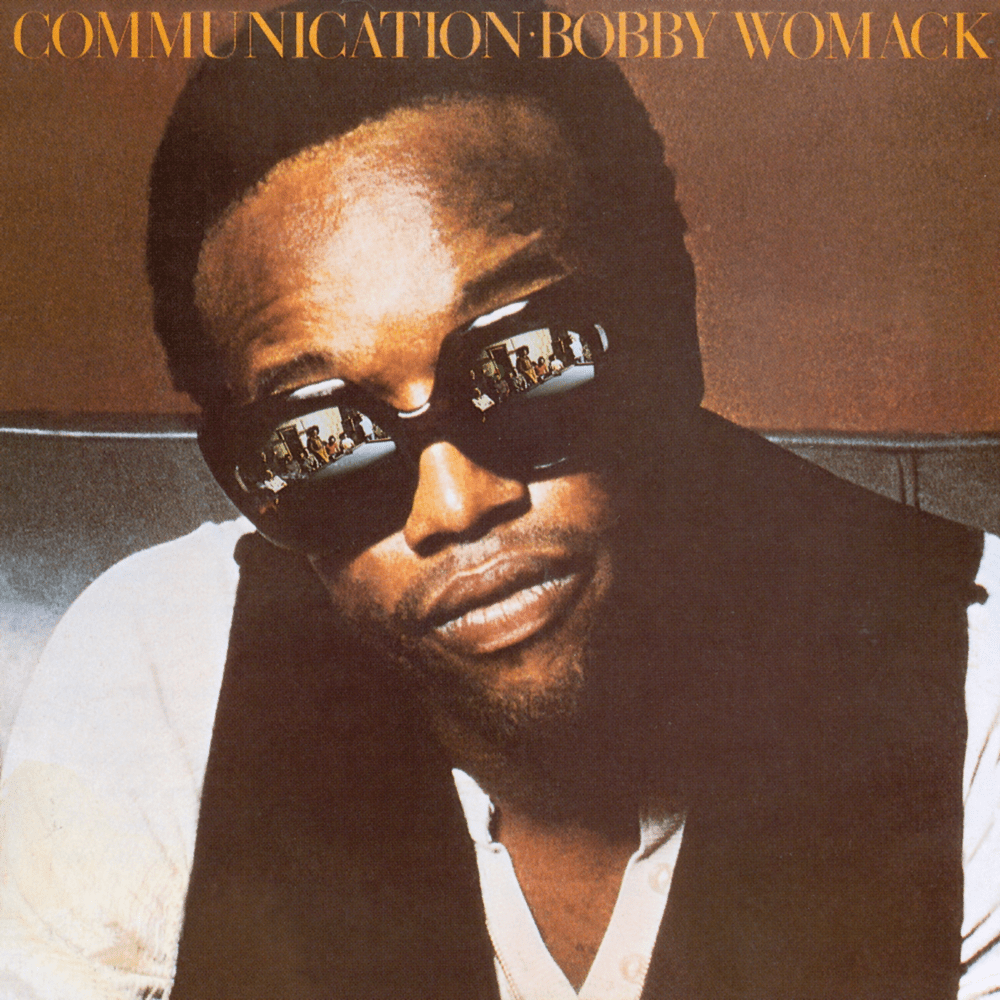
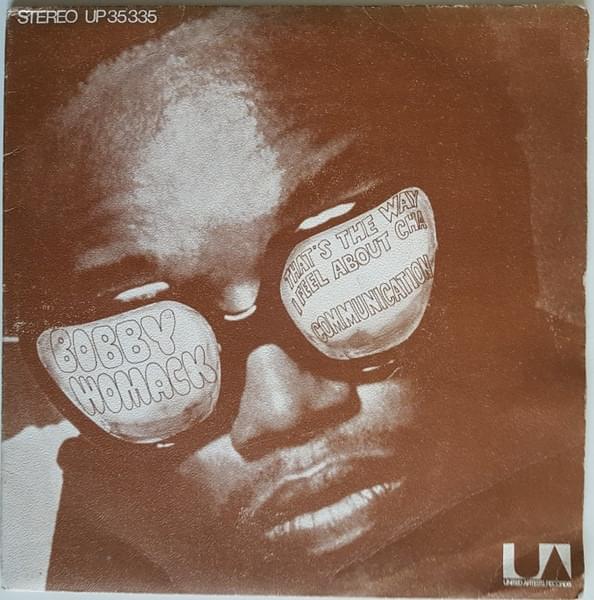
Throughout the 70s, albums like *Communication* and *Understanding* showcased his growth as a songwriter and performer. He fearlessly blended genres, incorporating elements of rock, country, and funk into his signature soul sound. These albums weren't just collections of songs; they were sonic tapestries that told stories of love, loss, and redemption.
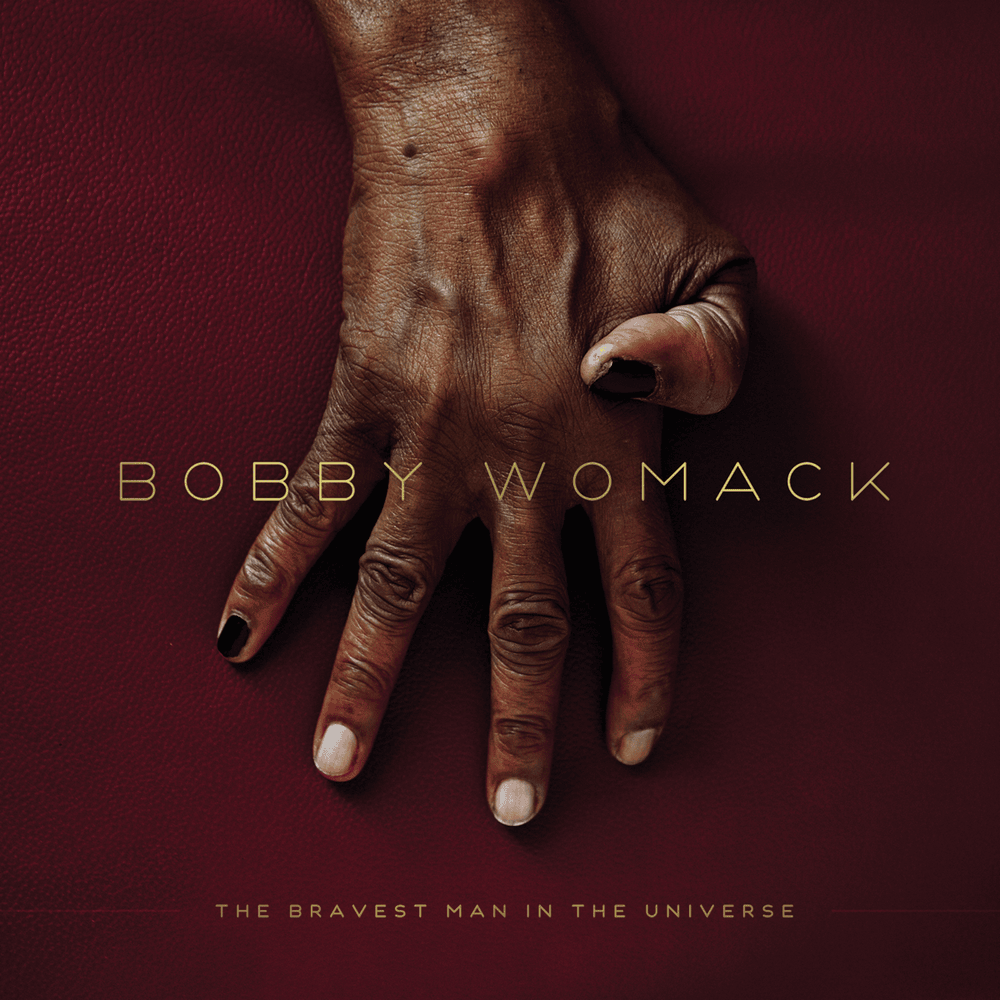
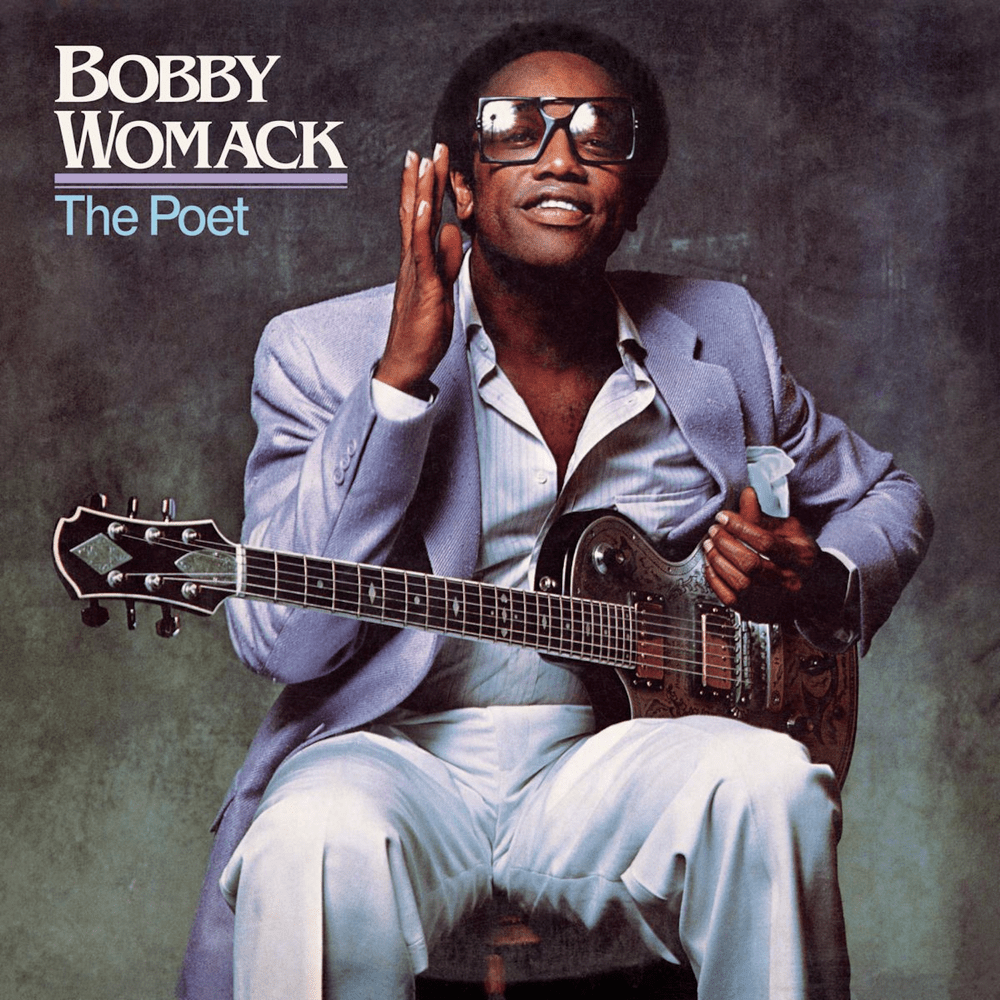
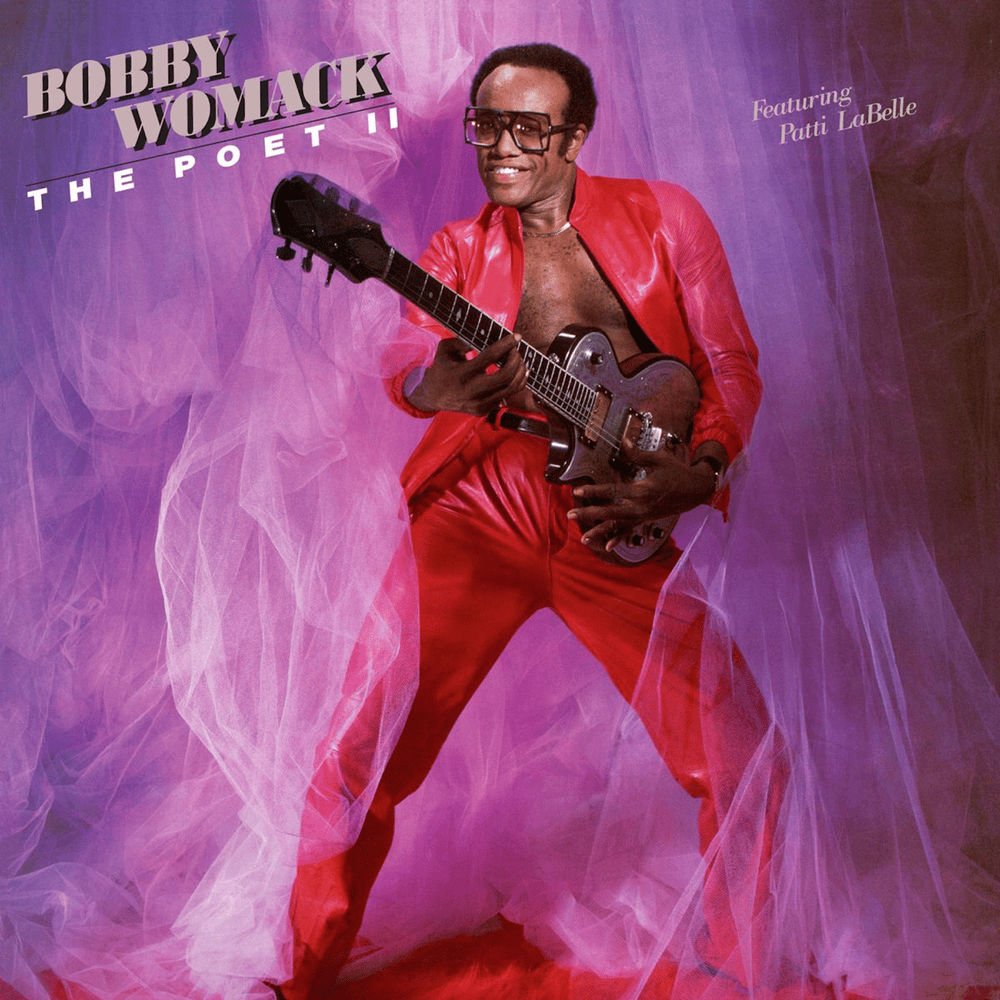
Womack's career experienced a resurgence in the 1980s with the release of *The Poet* and *The Poet II*. These albums featured some of his most iconic tracks and helped introduce him to a new generation of fans. Then, after a period of relative silence, Womack made a triumphant return in 2012 with *The Bravest Man in the Universe*, an experimental and critically acclaimed album produced by Damon Albarn of Blur and Richard Russell. It was a testament to his enduring artistry and his willingness to push boundaries, even late in his career.
Hit Songs & Signature Tracks
Bobby Womack's catalog is packed with songs that have become soul classics. His ability to infuse raw emotion into his vocals made each track feel intensely personal. While he wrote hits for others, it was his own performances that truly captured the essence of his artistry. His songs were more than just melodies; they were confessions, cries from the heart, and celebrations of the human spirit.
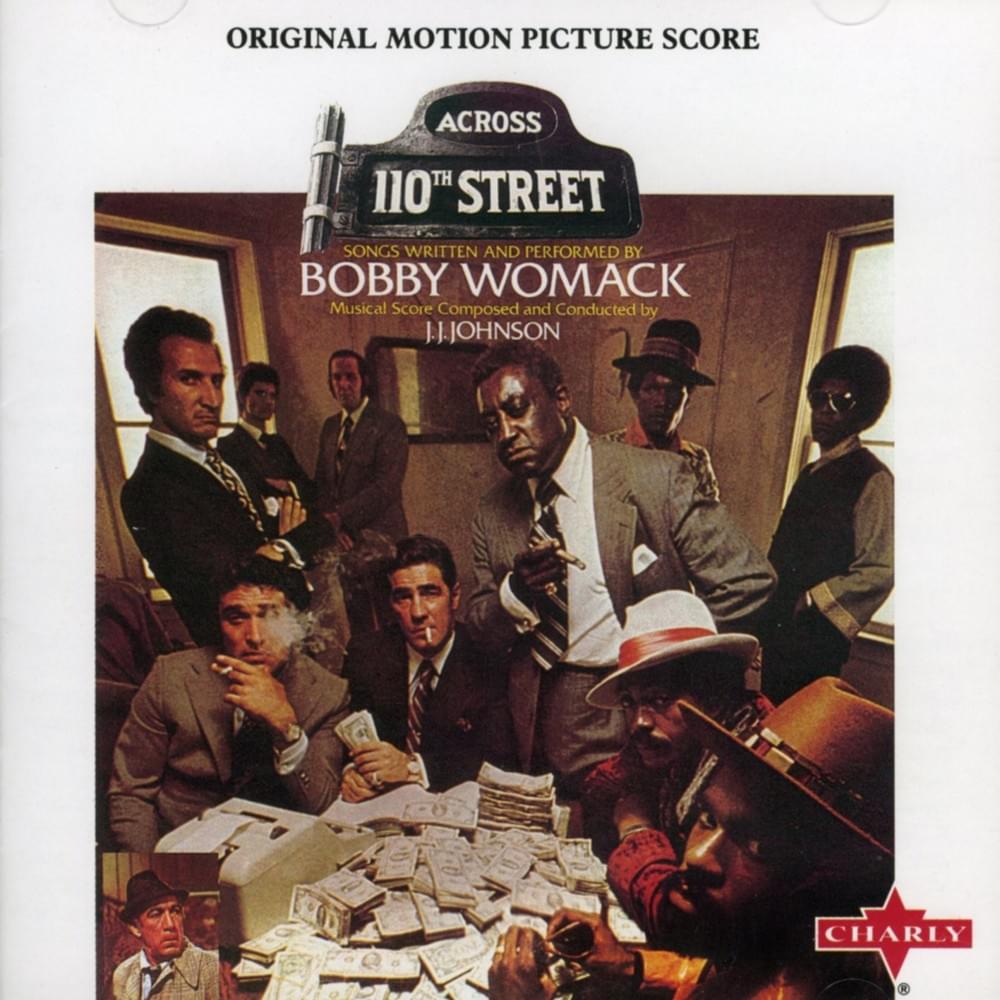
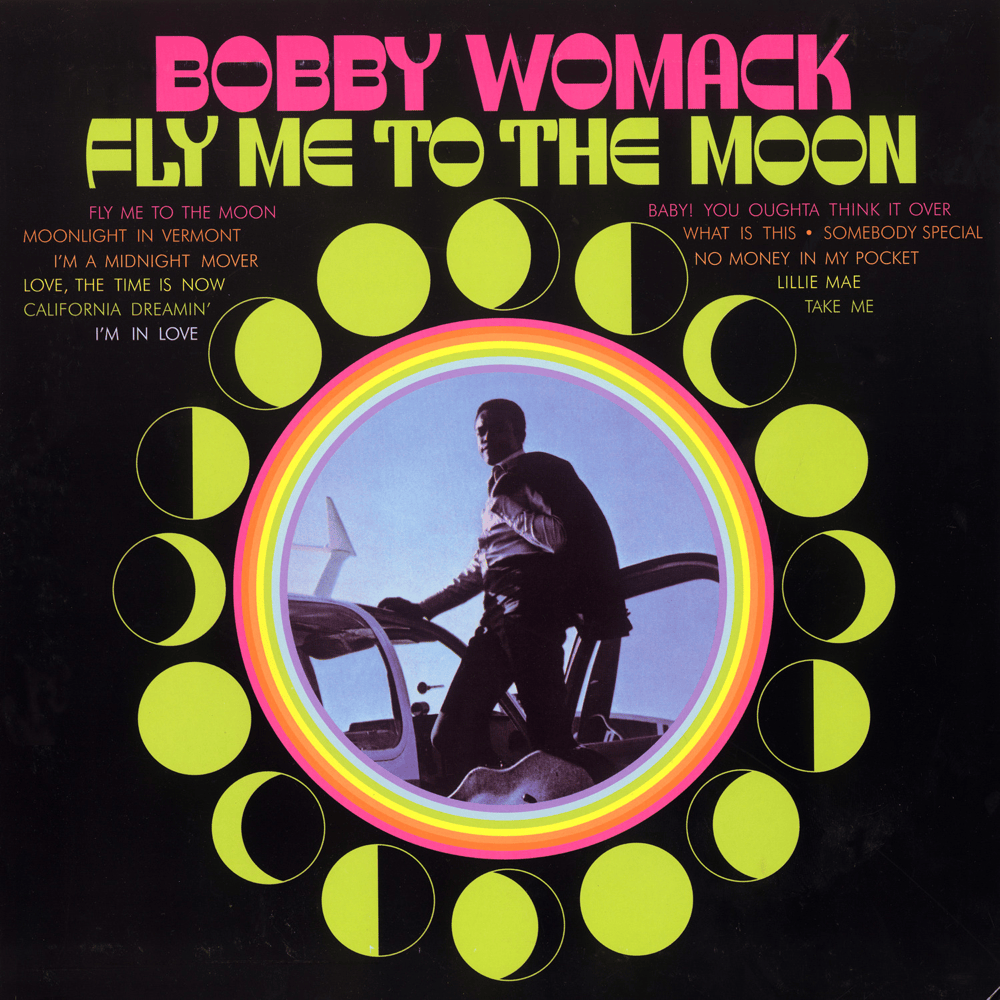
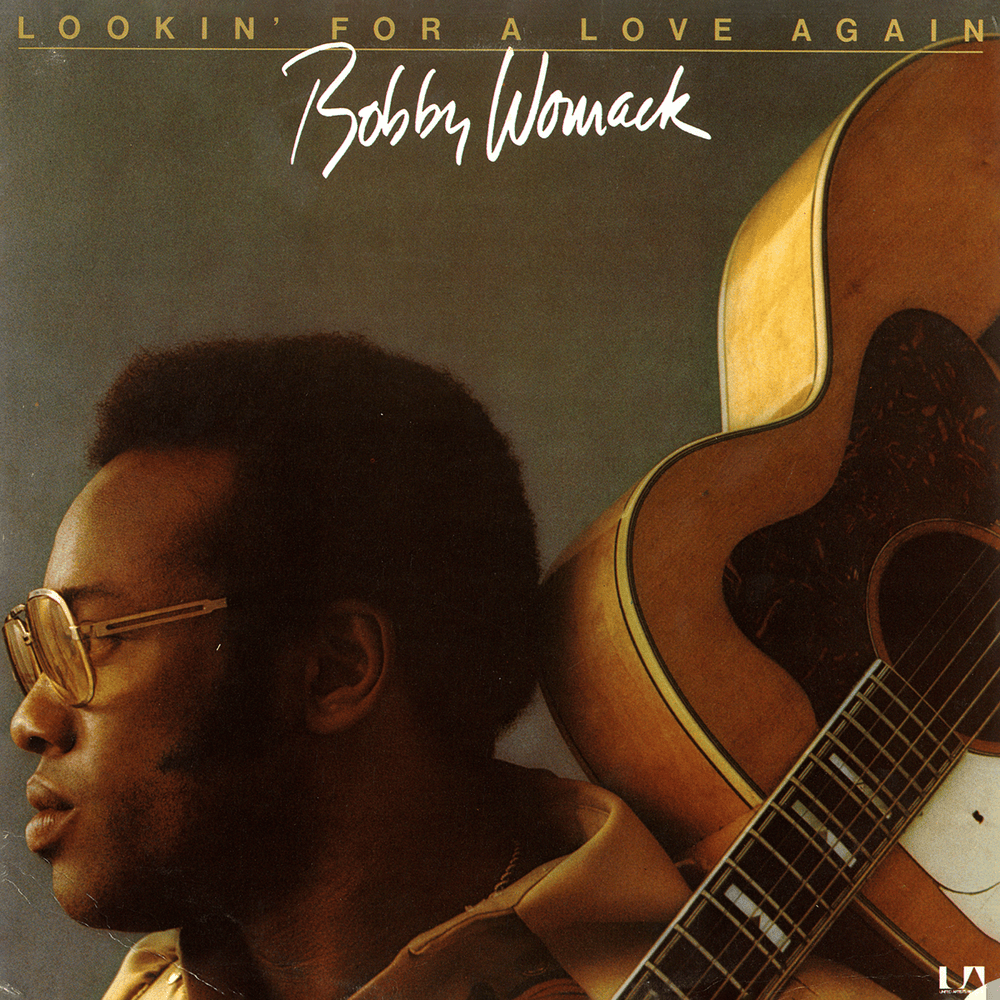
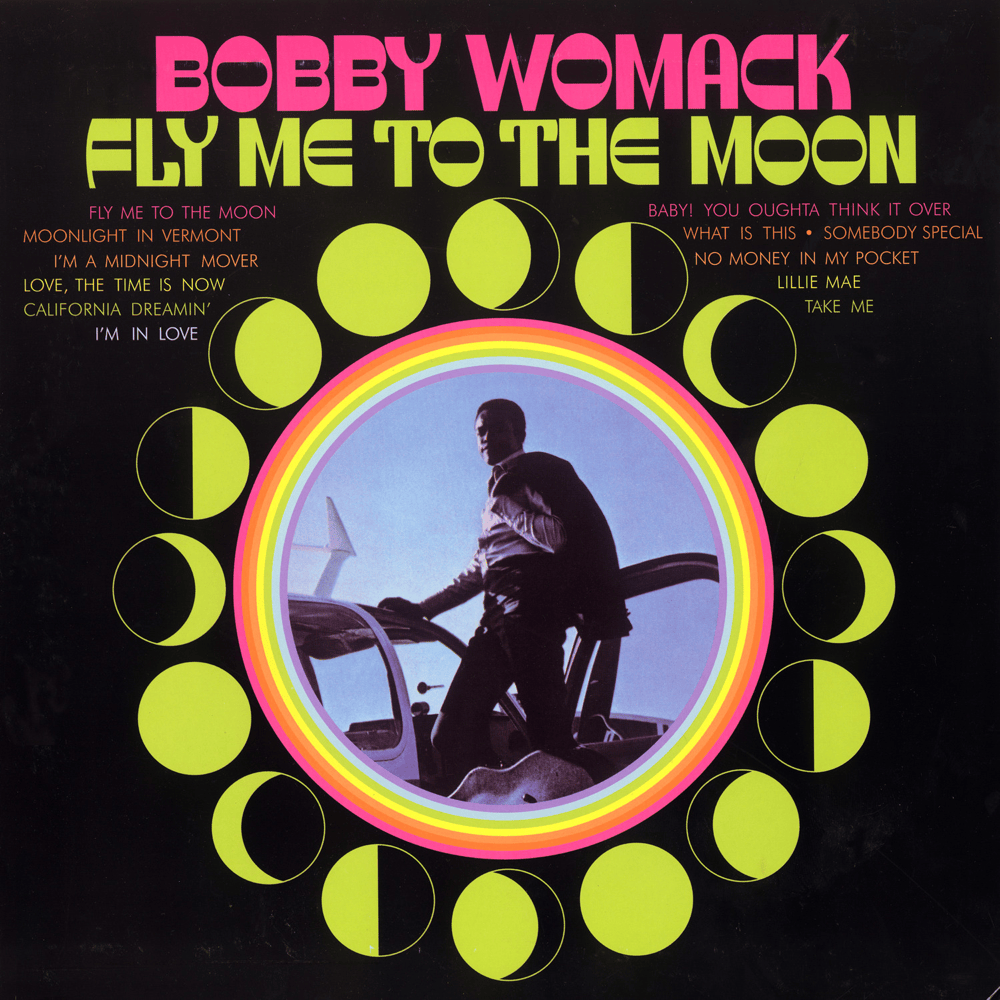
"Across 110th Street", from the movie of the same name, remains one of his most recognizable songs. Its gritty realism and soulful groove perfectly captured the atmosphere of the film and became an anthem for urban life. "Lookin' For a Love" is another signature track, showcasing Womack's ability to blend soul and rock influences. His cover of "California Dreamin'" is a masterclass in reinterpretation, transforming the sunny pop classic into a haunting and introspective soul ballad.
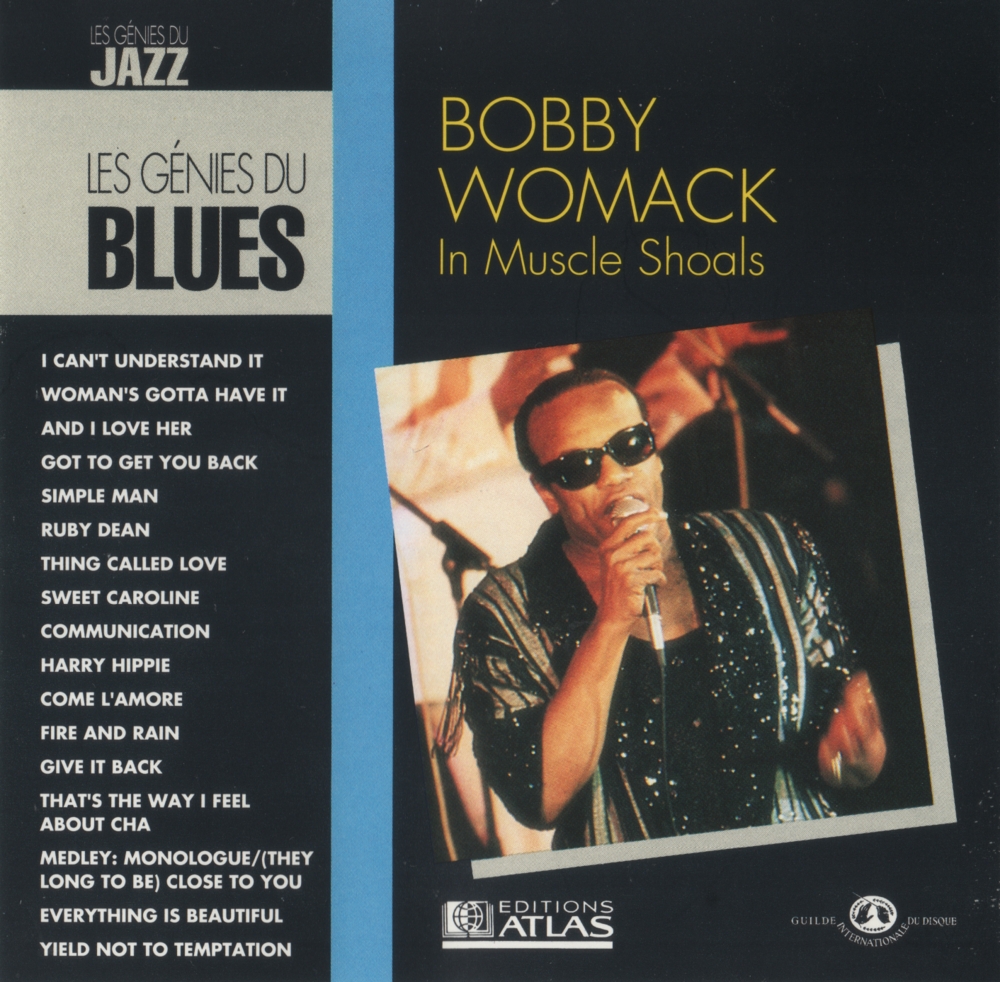
Other notable tracks include "That's The Way I Feel About Cha", a deeply personal expression of love and devotion, and "If You Think You're Lonely Now", a heartbreaking ballad about the pain of isolation. These songs weren't just hits; they were cultural touchstones that resonated with listeners on a profound level. Womack's music had the power to heal, to inspire, and to remind us that we're not alone in our struggles.
Collaborations & Features
Throughout his career, Bobby Womack collaborated with a diverse range of artists, showcasing his versatility and willingness to experiment. His work with Damon Albarn on *The Bravest Man in the Universe* introduced him to a new generation of indie music fans. He also collaborated with Mos Def on the track "Stylo" by Gorillaz, further demonstrating his ability to bridge generational and genre gaps.
Womack's influence extended beyond the soul and R&B worlds. He worked with country artists like Waylon Jennings and Kris Kristofferson, further blurring the lines between genres. These collaborations highlighted his deep understanding of American music and his ability to connect with audiences from all walks of life. He wasn't confined by labels or expectations; he simply made music that felt real and authentic.
Awards & Achievements
While Bobby Womack didn't always receive the mainstream recognition he deserved during his lifetime, his contributions to music have been increasingly acknowledged in recent years. He was inducted into the Rock and Roll Hall of Fame in 2009, a testament to his enduring influence on popular music. This honor was a long-overdue recognition of his groundbreaking artistry and his profound impact on generations of musicians.
Though Grammy wins eluded him for much of his career, *The Bravest Man in the Universe* earned him a Grammy nomination for Best Alternative Music Album, further solidifying his status as a musical innovator. Beyond awards, Womack's greatest achievement was his ability to connect with listeners on a deeply personal level. His music resonated with audiences because it was honest, raw, and unflinchingly real.
Personal Life
Bobby Womack's personal life was often tumultuous, marked by struggles with addiction and loss. These experiences deeply informed his music, giving it a rawness and vulnerability that resonated with listeners. While he faced many challenges, he always found solace and strength in his music. He used his art to process his pain, to find meaning in his struggles, and to connect with others who had experienced similar hardships.
Later in life, Womack spoke openly about his battles with addiction and his journey to recovery. He became an advocate for those struggling with similar issues, using his platform to raise awareness and offer hope. His honesty and vulnerability made him a role model for many, proving that even in the darkest of times, redemption is always possible.
Musical Style & Influence
Bobby Womack's musical style was a unique blend of soul, gospel, blues, and country. He defied easy categorization, creating a sound that was all his own. His raspy vocals, raw emotion, and deeply personal songwriting set him apart from his contemporaries. He was a true original, a trailblazer who paved the way for countless artists who followed.
Womack's influence can be heard in the work of artists like D'Angelo, Raphael Saadiq, and John Legend. His willingness to blend genres and his unflinching honesty have inspired generations of musicians to push boundaries and embrace their own vulnerability. He wasn't afraid to tackle difficult subjects in his music, and his willingness to be open and honest about his own struggles made his songs all the more powerful.
Womack's legacy extends far beyond the music industry. His songs have been featured in countless films and television shows, further solidifying his place in popular culture. He was more than just a singer; he was a storyteller, a poet, and a voice for the voiceless. His music continues to inspire, to heal, and to remind us of the power of the human spirit.
Recent Work & What's Next
While Bobby Womack passed away in 2014, his music continues to be discovered and celebrated by new generations of fans. His final album, *The Bravest Man in the Universe*, remains a testament to his enduring artistry and his willingness to experiment. It's a fitting end to a remarkable career, a reminder that true artistry never fades.
Womack's influence can still be felt in contemporary music. His songs are sampled by hip-hop artists, covered by indie bands, and celebrated by soul singers around the world. His music is a timeless reminder of the power of raw emotion, unflinching honesty, and the enduring human spirit. As new listeners discover his work, Bobby Womack's legacy will continue to grow, ensuring that his voice will be heard for generations to come.