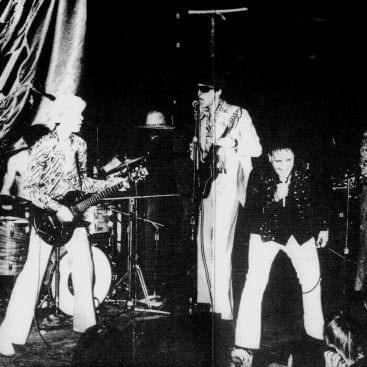
Photo of Black Randy And The Metrosquad

Black Randy And The Metrosquad

405 Listeners

Artist Bio

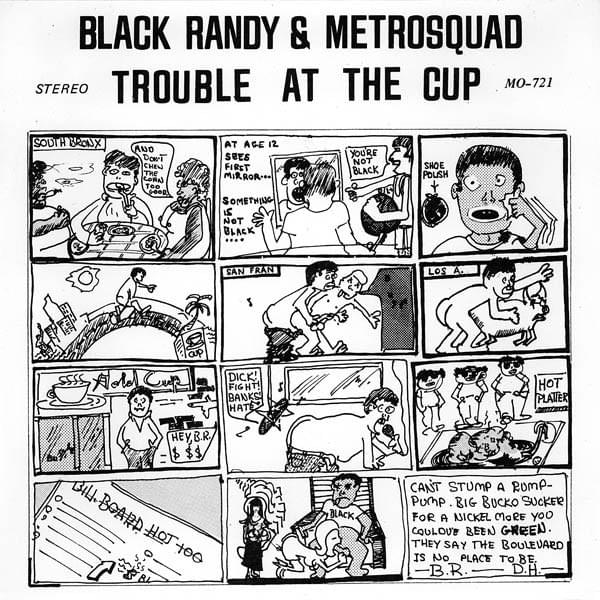
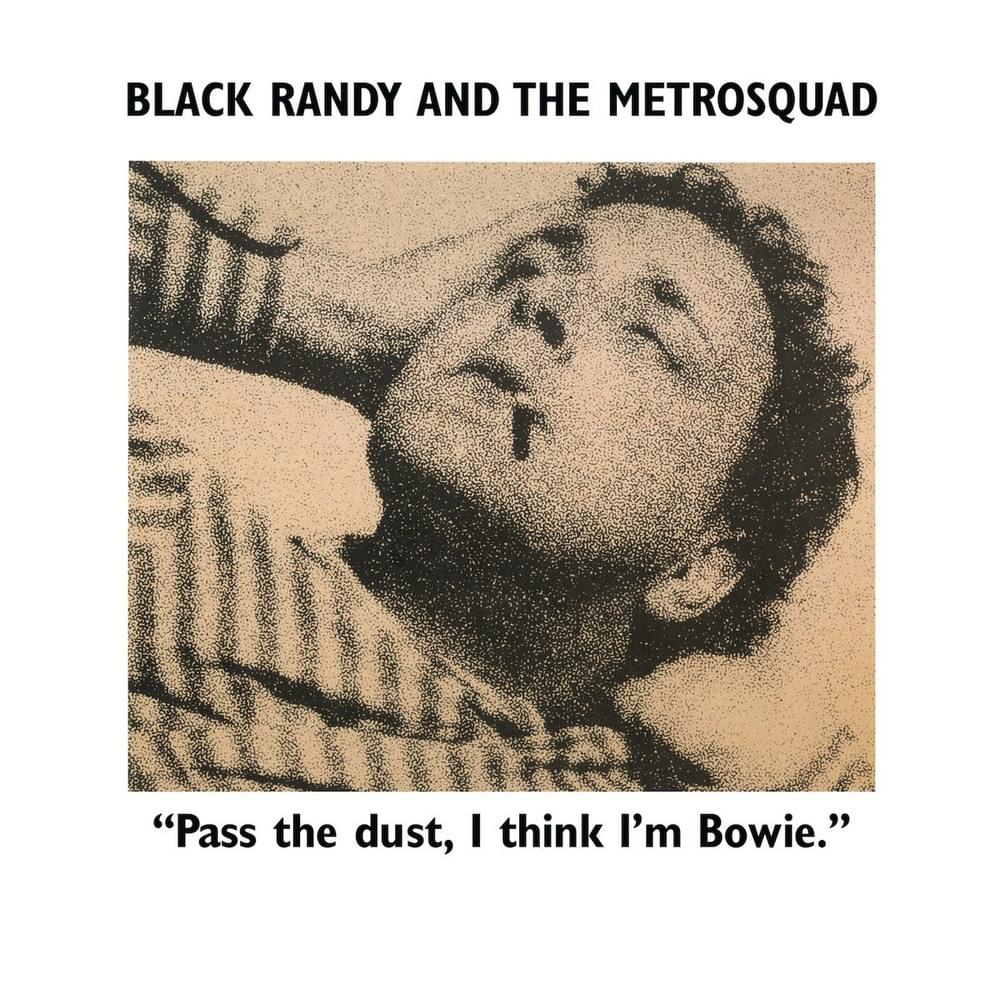
Black Randy And The Metrosquad: The Punk Provocateurs Whose Legacy Still Slaps Introduction & Current Status Decades after their brief, chaotic reign, Black Randy And The Metrosquad remain an undeniable, albeit cult, force in punk rock history. While they might not be topping the charts today (or ever, in the traditional sense), their influence ripples through the underground, catching the ears of new generations craving raw, unpolished authenticity. Think of them as the original punk rock main characters, whose brief but brilliant explosion in the late 70s Los Angeles scene carved out a niche that few have dared to occupy since. They delivered a brand of confrontational, satirical, and utterly unforgettable music that still feels shockingly relevant. Their legacy isn't measured in platinum plaques, but in the sheer audacity and uncompromising spirit that defined their sound and persona. For those in the know, Black Randy is more than just a band; it's a statement, a vibe, and a masterclass in how to make a lasting impact with a short, sharp shock to the system. Early Life & Background Before he became the legendary Black Randy, Gary McDaniel was a transplant to the burgeoning Los Angeles scene, a place brimming with artistic energy and a simmering desire for something new, something *real*. He arrived in the city, reportedly from Florida, in the mid-1970s, right as the Sunset Strip glam rock hangover was giving way to a leaner, meaner sound. McDaniel wasn't just a musician; he was a scene fixture, a provocateur, and a writer for the legendary Slash magazine, which documented the birth of LA punk. This immersion in the very heart of the movement shaped his artistic vision, providing a fertile ground for the satirical, often uncomfortable truths he would later channel into his music. His upbringing might not have hinted at the theatrical, boundary-pushing persona he would adopt, but the LA punk landscape offered him a canvas. He absorbed the anxieties, the absurdities, and the unbridled energy of the era, transforming them into the raw material for Black Randy And The Metrosquad’s unique brand of sonic chaos. Career Beginnings Black Randy And The Metrosquad truly took shape in the fertile, grimy grounds of late 70s Los Angeles. Gary McDaniel, already a notable figure through his work with Slash magazine, decided to step out from behind the typewriter and onto the stage, forming the Metrosquad around 1977. The band wasn't just a musical project; it was an extension of his performance art, a vehicle for his biting wit and confrontational persona. Their early gigs, often at iconic venues like The Masque, were less about polished musicianship and more about raw energy, shock value, and pure, unadulterated punk rock spirit. They quickly became notorious for their chaotic live shows and Randy's unpredictable stage antics, which often included provocative statements and audience interaction that kept everyone on their toes. The band's breakthrough moment solidified with their signing to Dangerhouse Records, a pivotal independent label that championed the raw, uncompromising sound of early LA punk. This partnership allowed them to capture their live ferocity on record, laying the groundwork for their legendary, albeit brief, discography and cementing their place among the scene's most memorable acts. Major Albums & Discography Black Randy And The Metrosquad's discography is concise, yet it packs more punch than many bands' multi-album careers. Their magnum opus, without a doubt, is the iconic Pass The Dust, I Think I’m Bowie. Released in 1979, this album is a masterclass in raw, unfiltered punk rock, capturing the chaotic energy and satirical bite that defined the band. From its provocative title to its equally audacious tracks, the album garnered a cult following, lauded by critics and fans for its uncompromising spirit and Black Randy's unique lyrical perspective. It wasn't just an album; it was a snapshot of a specific time and place, distilling the anxieties and absurdities of late 70s LA into a blistering sonic package. While Pass The Dust, I Think I’m Bowie stands as their definitive full-length, the band also left behind a handful of crucial singles and EPs that further showcase their evolution, or rather, their unwavering commitment to their signature sound. Each release was a testament to their DIY ethos and their refusal to conform to mainstream expectations. Further solidifying their legacy, the compilation Trouble At the Cup offers a deeper dive into their output, gathering essential tracks and providing a comprehensive overview of their impactful, albeit short-lived, journey. It’s a vital listen for anyone looking to understand the true essence of early LA punk. Hit Songs & Signature Tracks Black Randy And The Metrosquad might not have had "hits" in the Billboard sense, but their catalog is brimming with low-key iconic tracks that perfectly encapsulate their unique brand of punk rock. Take, for instance, the irreverent I Slept In An Arcade, a track that perfectly blends mundane observations with a distinct sense of punk rock alienation. Then there's the unforgettable Marlon Brando, a witty, almost absurd homage that showcases Black Randy's knack for pop culture references and his sardonic humor. It’s a perfect example of their ability to turn the familiar on its head with a punk rock twist. Their confrontational side shines through on tracks like I Tell Lies Every Day, a blistering confessional that epitomizes the raw honesty, even if it's a fabricated one, that punk rock embraced. The band's ability to craft narratives that were both unsettling and darkly amusing was truly unmatched. Other notable tracks include the delightfully gritty Down At The Laundrymat, a slice of everyday life filtered through a punk lens, and the controversial I Wanna Be A Nark, which provocatively played with themes of authority and rebellion. Their cover of Give It Up Or Turnit A Loose shows their eclectic influences, while Idi Amin and Sperm Bank Baby push the boundaries of lyrical content, proving they weren't afraid to tackle sensitive subjects with a satirical edge. Tracks like Barefootin’ On The Wicked Picket and San Francisco round out a discography that, though small, is mighty in its impact and continues to resonate with those who appreciate punk at its most unhinged and intelligent. Each song is a testament to Black Randy's unique vision and the Metrosquad's raw power. Collaborations & Features While Black Randy And The Metrosquad weren't known for extensive guest features or star-studded collaborations in the modern sense, their existence was deeply intertwined with the collaborative spirit of the early LA punk scene. Black Randy himself was a central figure, a connector who knew everyone and was involved in various aspects of the burgeoning movement. Their "collaborations" often manifested as shared bills with other legendary LA punk acts like The Germs, X, and The Weirdos, fostering a tight-knit community that built the scene from the ground up. These were less about official credits and more about mutual support and a shared commitment to an emerging counter-culture. Furthermore, Black Randy's role as a writer for Slash magazine meant he was constantly interacting with and shaping the narrative around these artists, acting as a critical voice and an informal tastemaker within the punk ecosystem. His influence extended beyond his own music, helping to define the sound and style of an entire generation of artists. The members of the Metrosquad themselves were often involved in other projects within the scene, contributing to a vibrant network of musicians who regularly swapped instruments, ideas, and stages. This organic, interconnected web of talent was the true "collaboration" that fueled Black Randy And The Metrosquad's unique artistic output. Awards & Achievements In an era where major label contracts and mainstream awards were anathema to the punk ethos, Black Randy And The Metrosquad's achievements stand on a different kind of pedestal. They didn't collect Grammys; they collected devoted fans and the respect of their peers for their uncompromising vision and raw authenticity. Their greatest achievement lies in their undeniable status as pioneers of the Los Angeles punk scene. They helped define a sound and an attitude that would influence countless bands for decades to come, proving that true impact isn't always measured by commercial success but by cultural resonance. Critically, they are lauded in retrospect by music historians and punk aficionados as essential listening for anyone seeking to understand the genesis of West Coast punk. Their album, Pass The Dust, I Think I’m Bowie, is frequently cited in lists of must-hear punk records, a testament to its enduring power. Their legacy is an award in itself: a testament to daring to be different, to speaking truth (even if it was satirical truth) to power, and to creating art that refused to be pigeonholed. They achieved a rare kind of immortality in the underground, a badge of honor far more valuable than any mainstream trophy. Personal Life Black Randy, known off-stage as Gary McDaniel, cultivated a persona that blurred the lines between his public and private life, making his stage presence an extension of his unique character. He was known for his sharp wit, intellectual curiosity, and an often-provocative sense of humor that informed both his lyrics and his interactions. McDaniel was deeply immersed in the artistic and counter-cultural movements of his time, not just as a musician but as a commentator and observer. His personal life, at least publicly, was intrinsically linked to the burgeoning punk rock scene he helped shape, making him a true figurehead of the era. Sadly, Gary McDaniel passed away in 1988, a loss that deeply impacted those who knew him and understood his profound contribution to music and culture. His passing solidified his legend, transforming his short but impactful career into an enduring mythos within the punk rock canon. His life, though brief, left an indelible mark. Musical Style & Influence Black Randy And The Metrosquad's musical style was the sonic equivalent of a chaotic art installation in a back-alley club: raw, unpolished, and utterly captivating. They embraced a quintessential garage-punk sound, characterized by driving rhythms, distorted guitars, and a vocal delivery that ranged from sardonic sneers to full-throttle screams. Their sound was a direct reaction against the bloated rock of the 70s, stripping music down to its visceral core. Lyrically, Black Randy was a master of satire and provocation, tackling everything from celebrity worship (like in Marlon Brando) to social commentary, often with a darkly humorous and unsettling edge. They drew influences from the proto-punk pioneers like The Stooges and The New York Dolls, but infused it with a distinct West Coast sensibility and an intellectual, often theatrical, bent. Their influence can be heard in subsequent waves of punk, art-punk, and even some alternative acts who appreciate their fearless approach to songwriting and performance. Black Randy And The Metrosquad left an indelible mark on the LA punk scene, proving that music could be both intellectually stimulating and viscerally thrilling without sacrificing an ounce of its raw power. They influenced anyone who dared to be authentically weird and defiantly themselves. Recent Work & What's Next For a band whose primary output came from the late 1970s and whose frontman has passed, "recent work" and "what's next" take on a different, yet equally vital, meaning. The legacy of Black Randy And The Metrosquad continues to thrive through reissues, archival releases, and new generations of fans discovering their unique sound. Albums like Trouble At the Cup, which collects various recordings, ensure that their entire body of work remains accessible and celebrated. These re-releases often come with updated liner notes and rare photos, offering deeper insights into their brief but impactful career. The future for Black Randy And The Metrosquad isn't about new music, but about the enduring power of their existing catalog. Their tracks, from I Slept In An Arcade to San Francisco, continue to be streamed, discussed, and revered by those who appreciate the foundational grit of punk rock.

Popular Albums

Popular Songs

Reviews

Comments

Questions & Answers

Music Awards

0 Total

No Music Awards Found