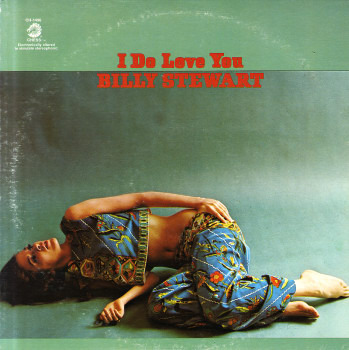
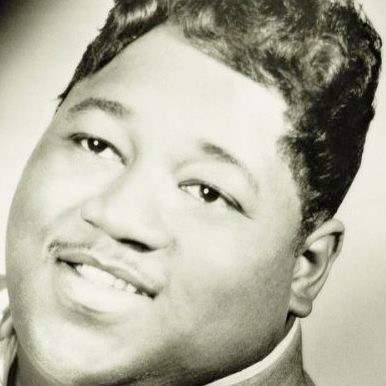
Billy Stewart
11K Listeners
Artist Bio
Billy Stewart, born William Stewart in Washington, D.C., on March 24, 1937, was a singular force in the world of soul music. Though his life was tragically cut short at the age of 32, Stewart left behind a legacy of innovative vocal arrangements, scat-singing prowess, and an undeniable stage presence that continues to influence artists today. His unique style, characterized by rapid-fire vocal runs, improvisational flourishes, and a distinctive vibrato, set him apart from his contemporaries and cemented his place as a true original.
Stewart's musical journey began in the church, where he honed his vocal skills as a child. He later joined The Rainbows, a doo-wop group that provided an early platform for his burgeoning talent. However, it was as a solo artist that Stewart truly blossomed. His early recordings showcased his versatility, blending elements of gospel, blues, and jazz into a captivating sound. One of his signature techniques was to take familiar melodies and completely reinvent them with his idiosyncratic vocal delivery. He possessed an uncanny ability to transform a standard tune into something entirely new and exciting. This is evident in his version of Over the Rainbow, which highlights his vocal agility and creative interpretation.
In the mid-1960s, Stewart achieved mainstream success with a string of hits that showcased his signature style. Songs like I Do Love You became instant classics, captivating audiences with their infectious rhythms and Stewart's dynamic vocals. The song's blend of soul and pop sensibilities made it a crossover hit, appealing to a wide range of listeners. Other notable recordings from this period include That Old Black Magic, another example of his talent for taking well-known songs and making them his own. The energy and flair he brought to each performance was infectious, cementing his place as a live performer.
While many remember his upbeat numbers, Stewart also demonstrated his versatility through slower, more introspective songs. He could convey deep emotion through his voice, and his interpretation of Summertime is a prime example of his ability to connect with his audience on a profound level.
Tragically, Billy Stewart's promising career was cut short when he died in a car accident in January 1970. Despite his relatively short time in the spotlight, Stewart left an indelible mark on the landscape of soul music. His innovative vocal style, boundless energy, and unique interpretations of classic songs continue to inspire and entertain listeners today. His music, including the energetic Fat Boy, remains a testament to his unique talent and enduring legacy. He was truly one of a kind.
Popular Albums
Popular Songs
| Track Number | Song | Release Date | Album |
|---|---|---|---|
| 01 | Sitting in the Park | Jun 1, 1965 | I Do Love You |
| 02 | I Do Love You | Feb 1, 1965 | I Do Love You |
| 03 | 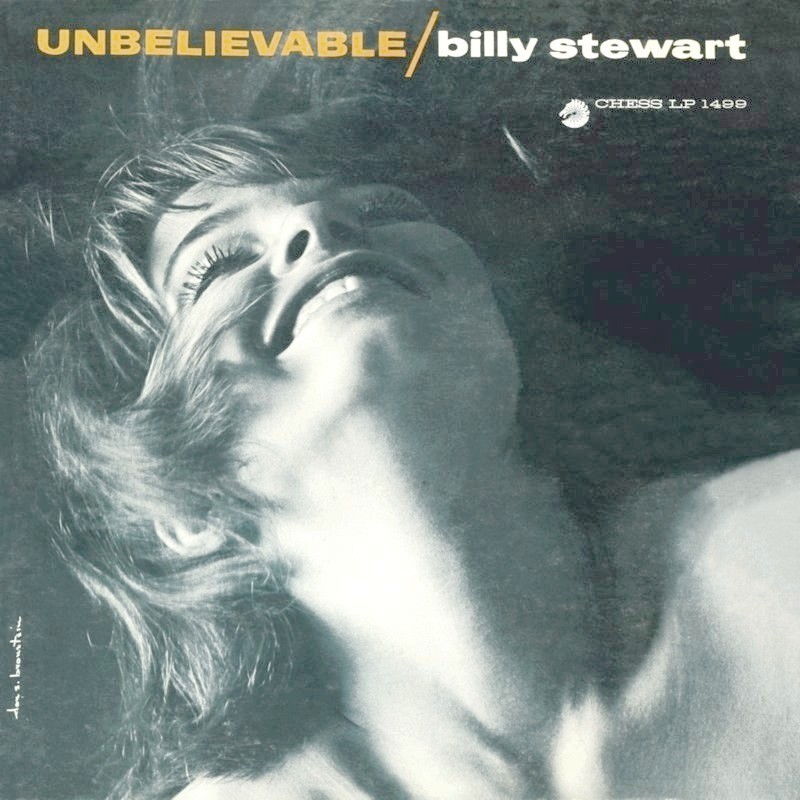 Summertime Summertime | Jan 1, 1966 | Unbelievable |
| 04 | 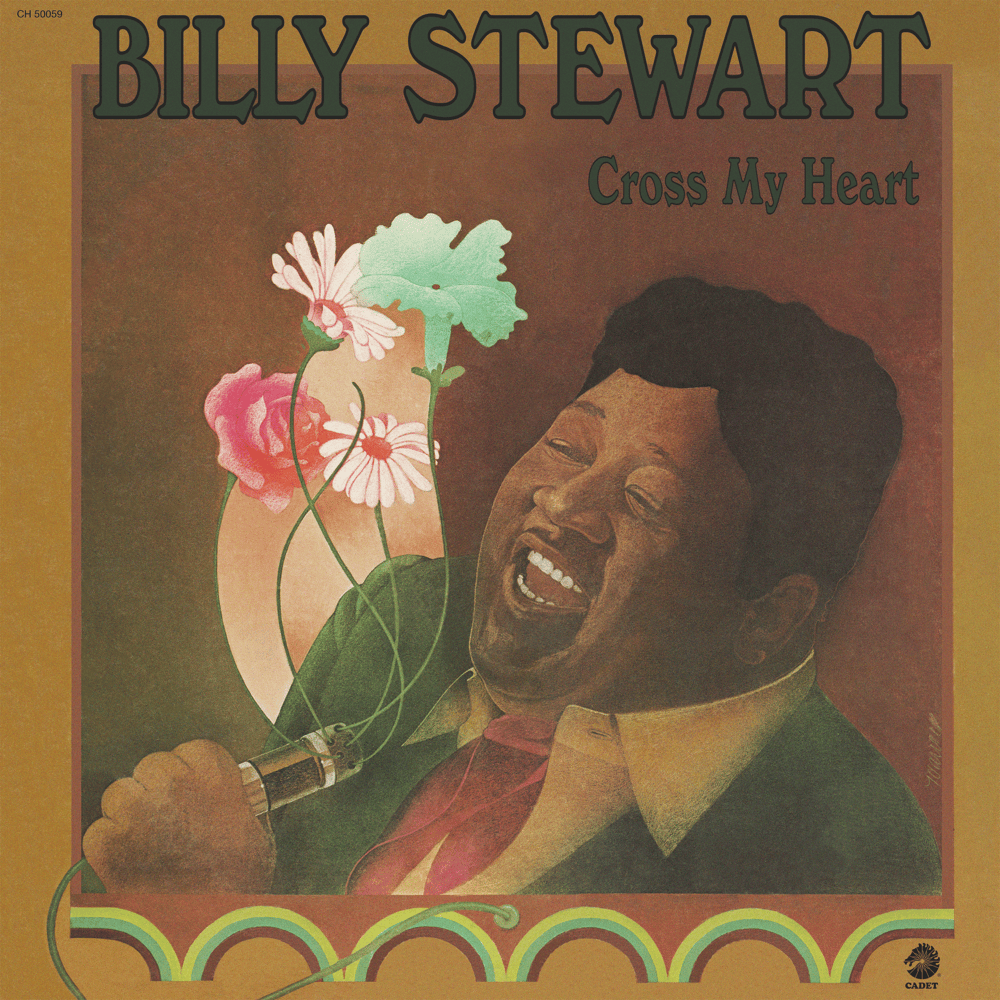 Cross My Heart Cross My Heart | Jan 1, 1968 | Cross My Heart |
| 05 | 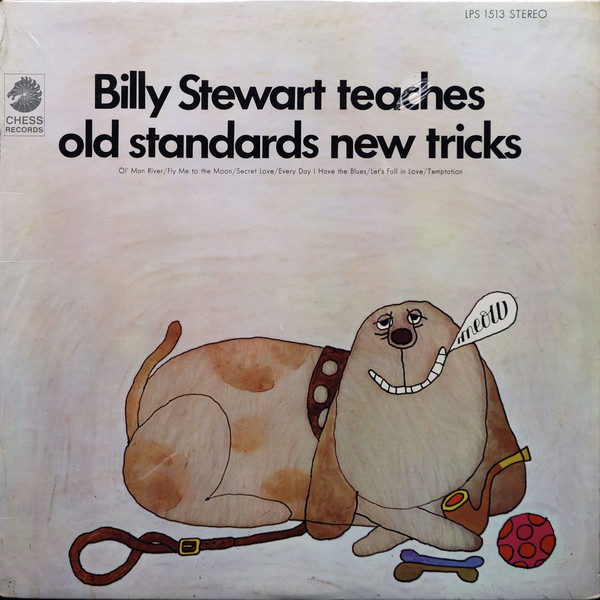 Every Day I Have The Blues Every Day I Have The Blues | Jan 1, 1967 | Billy Stewart Teaches Old Standards New Tricks |
| 06 | Reap What You Sow | Jan 1, 1965 | I Do Love You |
| 07 | Secret Love | Jan 1, 1967 | Billy Stewart Teaches Old Standards New Tricks |
| 08 | Almost Like Being in Love | Jan 1, 1966 | Unbelievable |
| 09 | Foggy Day | Jan 1, 1966 | Unbelievable |
| 10 | My Funny Valentine | Jan 1, 1966 | Unbelievable |
| 11 | Moon River | Jan 1, 1966 | Unbelievable |
| 12 | That Old Black Magic | Jan 1, 1966 | Unbelievable |
| 13 | Canadian Sunset | Jan 1, 1966 | Unbelievable |
| 14 | Over the Rainbow | Jan 1, 1966 | Unbelievable |
| 15 | I’m No Romeo | Jan 1, 1965 | I Do Love You |
| 16 | Strange Feeling | Jan 1, 1965 | I Do Love You |
| 17 | Fat Boy | Jan 1, 1962 | I Do Love You |
Reviews
Comments
Questions & Answers
Music Awards
0 Total
No Music Awards Found