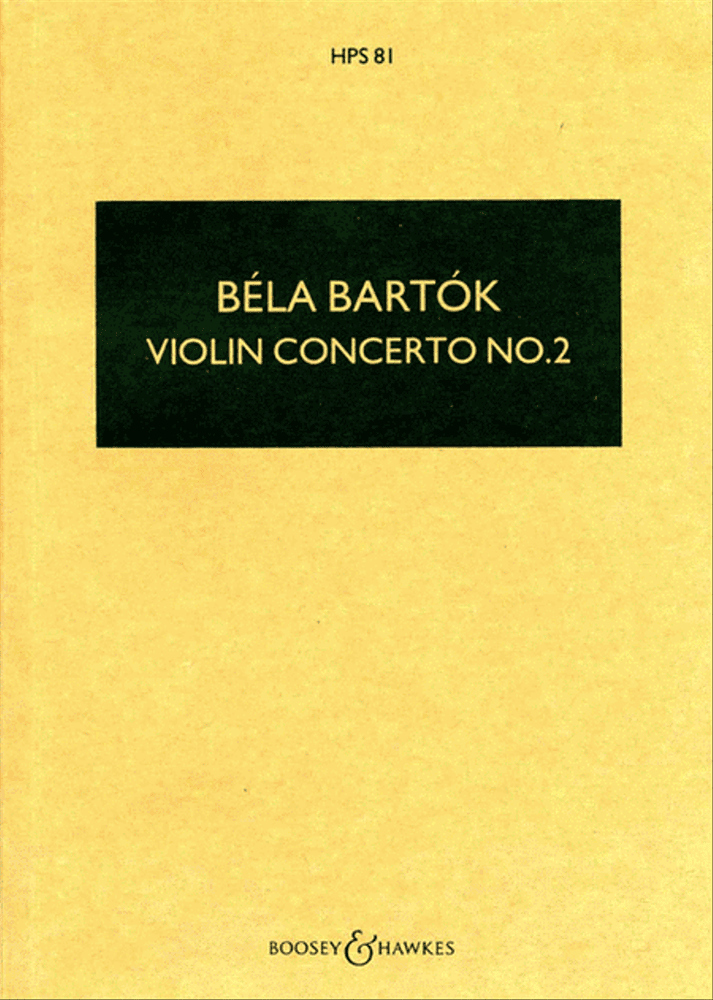
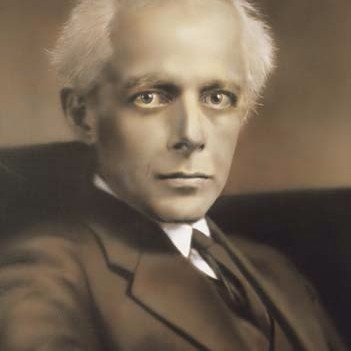
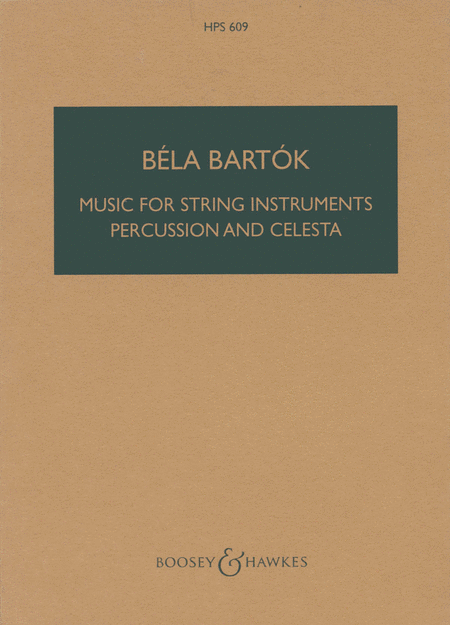
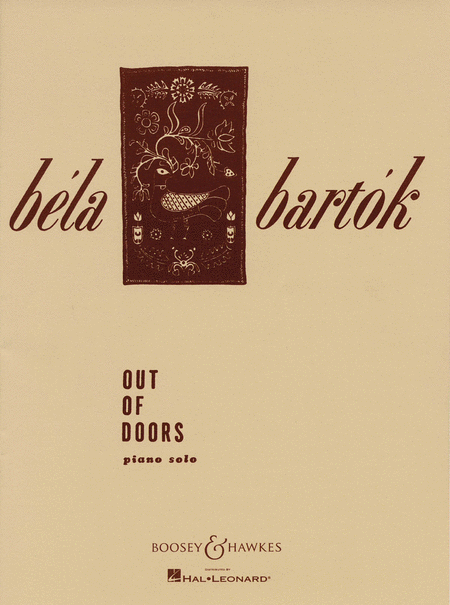
Béla Bartók, a name synonymous with innovation and the vibrant pulse of Hungarian folk music, carved a unique path in the world of pop. While he may be best known for his contributions to classical music, the underlying spirit of his work – a deep connection to authentic cultural expression and a willingness to experiment – resonates profoundly within the pop landscape. Born in 1881 in what is now Romania, Bartók's journey began with a fascination for the traditional music of his homeland. He, alongside his friend Zoltán Kodály, embarked on extensive field trips, meticulously collecting and transcribing thousands of folk songs from across Hungary and neighboring regions. This immersion in raw, unfiltered musical expression would become the bedrock of his compositional style.
Bartók wasn't simply preserving folk tunes; he was actively integrating their essence into his own musical language. His compositions, while often complex and challenging, pulsed with the rhythms and melodic contours of peasant music. Imagine the spirit of Elindultam szép hazámbul, a traditional folk song, infused with Bartók's avant-garde sensibilities. This wasn't just about sampling; it was about a profound understanding and reinterpretation.
Though not strictly 'pop' in the contemporary sense, Bartók’s influence on pop music is undeniable. His focus on rhythm, his use of dissonance to create tension and release, and his overall commitment to pushing boundaries laid the groundwork for many subsequent pop artists who sought to break free from conventional structures. One can almost hear echoes of his rhythmic experimentation in the music of innovative pop artists who followed. He has a knack for creating pieces like The Chase that builds tension, a technique well used in pop music today.
His microtonal explorations and dissonant harmonies, while initially challenging to some listeners, paved the way for a greater acceptance of complexity within popular music. Even a piece like Musettes, with its deceptively simple melody, showcases Bartók's ability to create depth and texture through unexpected harmonic shifts. The influence of folk melodies is palpable in Ha kimegyek arr' a magos tetőre.
Béla Bartók's legacy extends far beyond the concert hall. He was a musical innovator who understood the power of folk music and its potential to enrich and transform artistic expression. His commitment to authenticity, his willingness to experiment, and his profound understanding of rhythm and harmony continue to inspire artists across genres, solidifying his place as a true pioneer of modern pop sensibility. The raw emotion in Fekete főd is a prime example of his emotional range.