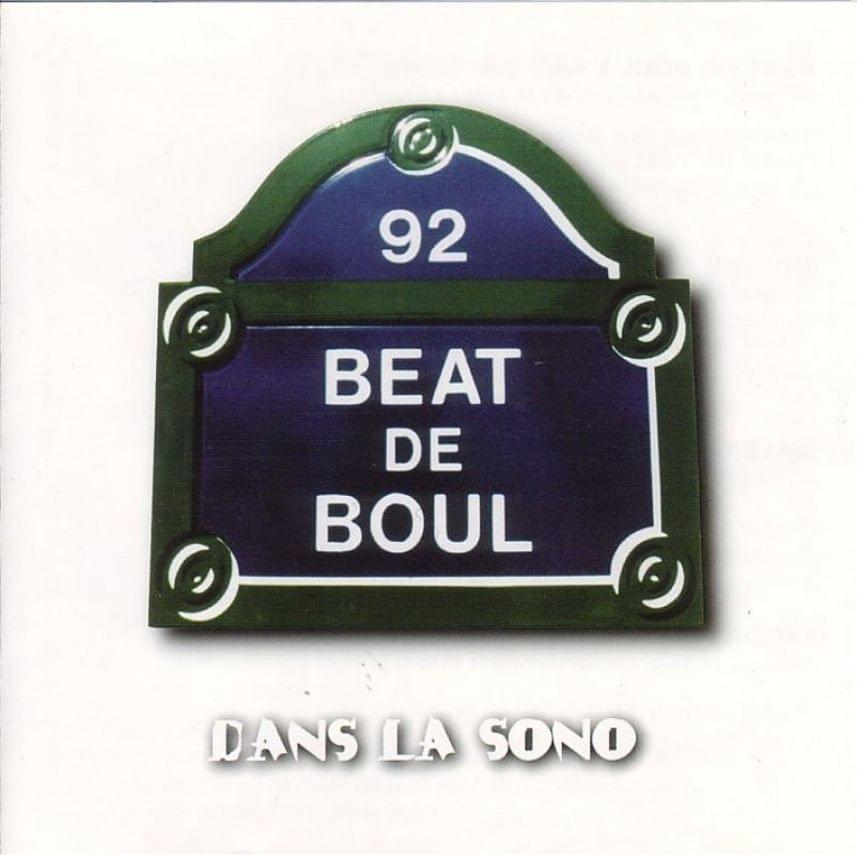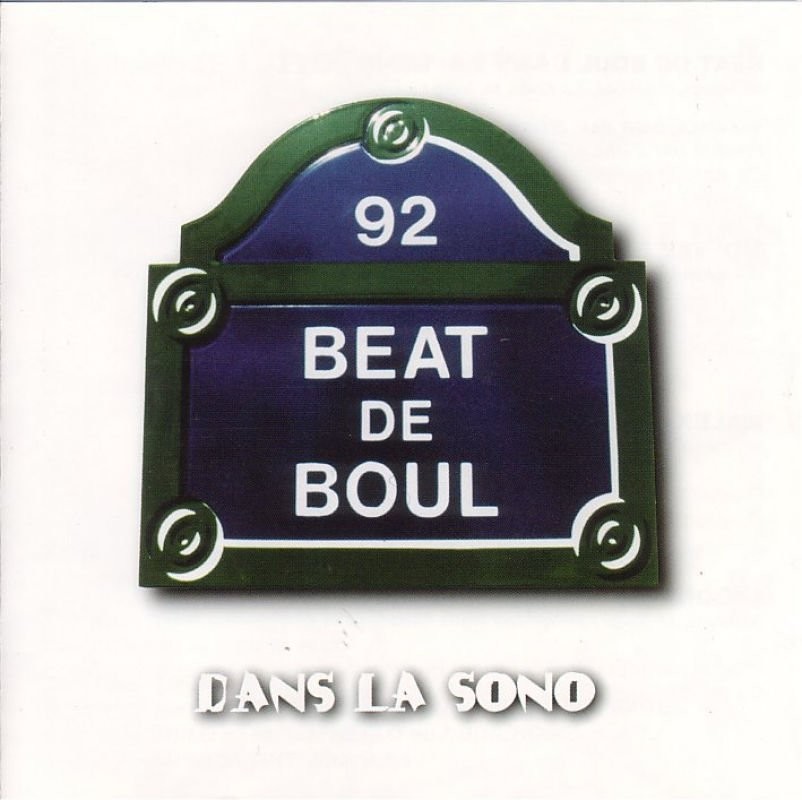

Photo of Beat de Boul

Beat de Boul

1.4K Listeners

Artist Bio

Introduction & Current Status Beat de Boul, the legendary French hip-hop collective, remains a foundational pillar in the narrative of urban music across the Atlantic. While not actively dropping new tracks every other Tuesday, their influence is a constant hum beneath the surface of today’s rap landscape, proving that true artistry never really goes out of style. Think of them as the OG architects who laid the groundwork for a whole generation of MCs and producers. Their raw, unfiltered sound and sharp lyricism didn’t just define an era; it sculpted the very identity of French hip-hop, earning them a permanent spot in the cool kids' club of music history. They’re less about trending on TikTok now and more about that deep, abiding respect from those who know. Their legacy isn't just about selling records; it’s about shaping culture. Every time a new artist from the banlieues finds their voice, you can bet a piece of Beat de Boul’s pioneering spirit is echoing in the background. They represent an authentic, uncompromising vision that continues to resonate, proving they’re still hitting different. Early Life & Background The story of Beat de Boul isn't one of a singular prodigy, but a collective spark born from the gritty, vibrant energy of the Parisian suburbs, specifically the Hauts-de-Seine region. In the early to mid-90s, these neighborhoods were a melting pot of diverse cultures, social realities, and burgeoning artistic expression, particularly within the burgeoning hip-hop scene. This wasn't about formal music schools; it was about street corners, community centers, and shared passion for beats and rhymes. The young artists who would eventually form Beat de Boul were soaking up influences from both sides of the Atlantic – the boom-bap grit of American legends mixed with the distinct flavor of French social commentary and poetic prowess. The collective coalesced around a shared vision: to give voice to their experiences, frustrations, and dreams through uncompromising hip-hop. This common ground, forged in shared struggles and creative ambition, became the bedrock of their powerful sound, proving that real art often springs from real life. Career Beginnings Beat de Boul didn't just appear; they simmered and stewed in the underground circuits, building their reputation track by track. The collective began to solidify in the mid-90s, bringing together a roster of formidable talents like Pit Baccardi, Ärsenik, Passi, and Ministère A.M.E.R., among others. It was a veritable supergroup before "supergroup" was even a mainstream concept. Their early days were marked by relentless freestyling, local performances, and a fierce commitment to their craft. They were part of a pivotal moment when French hip-hop was transitioning from a niche subculture to a formidable force, and Beat de Boul were right there, pushing the boundaries with their raw energy and undeniable skill. The breakthrough moment for many of the collective's members, and for Beat de Boul as a unit, arrived with their involvement in key compilations and projects that showcased the burgeoning talent from the French rap scene. Their collective power, rather than individual efforts, truly launched their distinctive sound into the wider consciousness. Major Albums & Discography While many members of Beat de Boul went on to craft iconic solo careers and release seminal albums under their individual group names, the collective itself delivered a singular, seismic project that still echoes today: the 1999 compilation album Dans la sono. This wasn't just an album; it was a statement, a snapshot of an era, and a masterclass in collaborative hip-hop. Dans la sono brought together the crème de la crème of the Beat de Boul roster, showcasing their distinct styles while maintaining a cohesive, hard-hitting sound. Critically, it was lauded for its authentic portrayal of life in the banlieues, its sharp social commentary, and its superior production quality that felt both raw and polished. Commercially, the album performed well, solidifying Beat de Boul's reputation as a powerhouse. It wasn't just a collection of songs; it was a cultural artifact, demonstrating how a collective could amplify individual voices to create something truly monumental. The album's impact reverberated across the French music industry, influencing countless artists who followed. Hit Songs & Signature Tracks Beat de Boul’s discography, particularly within the Dans la sono compilation, boasts a collection of tracks that are nothing short of iconic. These songs weren't just charting hits; they were anthems that captured the pulse of a generation and showcased the lyrical prowess of the collective's members. One standout is the titular track, Dans la sono, which perfectly encapsulates the collective's ethos: a raw, energetic declaration of their presence and power within the music scene. Its infectious beat and confident rhymes made it an instant classic, a track that still slaps when it drops today. Then there’s Original Futur Style, a track that not only flexed their lyrical muscles but also articulated their forward-thinking approach to hip-hop. It was a mission statement, signaling that Beat de Boul was here to innovate and redefine the sound, leaving a lasting impression on listeners. Tracks like Catch à l’arrière brought a different kind of energy, showcasing the versatility of the collective with its dynamic flow and storytelling. Meanwhile, Paranoïa delved into deeper, more introspective themes, demonstrating their ability to tackle complex emotional landscapes with authenticity and grit, making it a powerful listen. Je lutte en rimant highlighted their commitment to lyrical combat and social commentary, underscoring the idea that their rhymes were a form of struggle and resistance. This track became a fan favorite, embodying the intellectual and rebellious spirit of the collective. Similarly, Pas assez pour le futur explored themes of societal disillusionment, resonating deeply with an audience grappling with similar realities. And let's not forget Va tèj’ ton gun, a powerful call for peace and a rejection of violence, showcasing their commitment to messages of social responsibility. Each of these tracks, woven together in the tapestry of Beat de Boul’s work, contributed to their undeniable cultural impact and cemented their status as hip-hop legends. Collaborations & Features Beat de Boul, by its very nature, was a masterclass in collaboration. The collective itself was a dynamic hub where some of French hip-hop's most formidable talents converged and cross-pollinated. Artists like Pit Baccardi, Ärsenik (composed of Calbo and L.I.M), Passi, and members of Ministère A.M.E.R. didn't just feature on each other's tracks; they built a shared universe. This internal synergy was their superpower, allowing for an incredible diversity of flows and perspectives within a unified sound. Their collaborations extended beyond the core group, frequently featuring other emerging and established artists from the French rap scene on their projects, creating a rich tapestry of voices. Their collaborative spirit wasn't just about sharing mic time; it was about building a community, fostering talent, and showcasing the collective strength of French urban music. This cross-pollination of talent solidified their standing as a pivotal force, proving that unity in sound could create something truly epic. Awards & Achievements While Beat de Boul might not have stacked up a shelf full of conventional music industry trophies in the way some mainstream pop artists do, their achievements are etched deeper into the cultural bedrock. For a collective born from the streets, their true awards were the respect of their peers and the unwavering loyalty of their fans. Their impact on French hip-hop is an undeniable achievement, often cited by subsequent generations of artists as a primary influence. The Dans la sono album, for instance, achieved significant commercial success, a testament to its quality and resonance, effectively serving as a gold or platinum plaque for their collective effort. They broke ground by bringing authentic street narratives and sophisticated lyricism to a wider audience, contributing significantly to the genre's growth and acceptance in France. Their legacy is a testament to their trailblazing spirit, proving that some wins are measured in cultural impact, not just shiny statuettes. Personal Life Given Beat de Boul's identity as a collective rather than an individual artist, their "personal life" often intertwined with their shared public mission. The members largely maintained a focus on their artistic output, letting their music speak for their experiences and perspectives. However, it's widely known that many within the collective were deeply committed to representing their communities and addressing social issues through their art. Their music wasn't just entertainment; it was a platform for social commentary, activism, and giving a voice to the often-unheard stories from the French suburbs. This collective commitment to their roots and their craft defined much of their public persona. While individual members pursued their own ventures, the overarching spirit of Beat de Boul remained one of unity, community, and an unwavering dedication to authentic expression. Musical Style & Influence Beat de Boul’s musical style is best described as quintessential French boom-bap, infused with a distinct Parisian swagger and lyrical depth. Their sound was characterized by hard-hitting drums, soulful samples, and often melancholic or introspective melodies, all serving as a powerful backdrop for their intricate rhymes. They drew clear influences from East Coast American hip-hop legends, but seamlessly blended this with a uniquely French sensibility, delivering narratives that were both globally relatable and deeply specific to their local context. Their lyrical prowess, often poetic and socially conscious, distinguished them within the genre. Their influence is monumental, having paved the way for countless French hip-hop acts. They taught a generation how to craft compelling narratives, how to wield language as a weapon, and how to stay true to their roots. Beat de Boul didn't just make music; they created a blueprint for an entire scene, cementing their legacy as true pioneers who defined a sound and inspired a movement. Recent Work & What's Next While Beat de Boul as a unified collective hasn't released new material in decades, their individual members have continued to be active in the French music scene, evolving their sounds and mentoring new talent. The collective's main output, the Dans la sono album, remains a timeless piece, continually discovered by new generations of hip-hop heads. The "what's next" for Beat de Boul isn't about a reunion tour or a surprise drop; it's about their enduring legacy. Their tracks like Original Futur Style and Je lutte en rimant are still streamed, sampled, and celebrated, testament to their lasting impact. They are a constant reference point for quality and authenticity in French hip-hop. Their future direction is essentially their past – a powerful, unyielding influence that continues to shape the genre. Beat de Boul stands as a monument to collective power and artistic integrity, proving that some sounds are just too vital to ever fade away.

Popular Albums

Popular Songs

Most popular songs by Beat de Boul
Track NumberSong
01Dans la sono
02Original Futur Style
03Pas assez pour le futur
04Catch à l’arrière
05Je lutte en rimant
06Va tèj’ ton gun
07Paranoïa

Reviews

Comments

Questions & Answers

Music Awards