Introduction & Current Status
Atari Teenage Riot (ATR) isn't just a band; it's a digital hardcore institution. Formed in Berlin during the early 90s, they've been spitting fire and melting faces with their blend of punk rock, techno, and anti-establishment fury ever since. In an era of sanitized pop and corporate-approved rebellion, ATR's raw energy and unapologetic political stance are more relevant than ever.
While many of their contemporaries have faded into obscurity, Atari Teenage Riot continues to tour, release music, and incite mosh pits around the globe. Their sound remains a vital antidote to the algorithm-driven blandness that dominates today's music scene. If you need a reminder that music can be a weapon, ATR is still sharpening the blade.
The band's influence extends far beyond the mosh pit, impacting electronic music, digital art, and activist circles. They are a reminder that the DIY spirit and the power of collective action can still shake the foundations of the status quo. If you think punk is dead, you haven't been listening to Atari Teenage Riot.
Early Life & Background
Atari Teenage Riot emerged from the chaotic, post-reunification Berlin of the early 1990s. The city was a hotbed of artistic experimentation, political upheaval, and DIY culture. This environment shaped the band's sound and ethos from the very beginning. Founder Alec Empire, already active in the city's underground electronic scene, sought to create a project that was both musically and politically radical.
Empire's vision for ATR was to fuse the energy of punk rock with the sonic textures of techno and noise. He drew inspiration from a wide range of sources, including the confrontational art of the Dada movement, the dystopian visions of cyberpunk literature, and the raw power of early hardcore punk. This eclectic mix of influences laid the groundwork for ATR's signature sound.
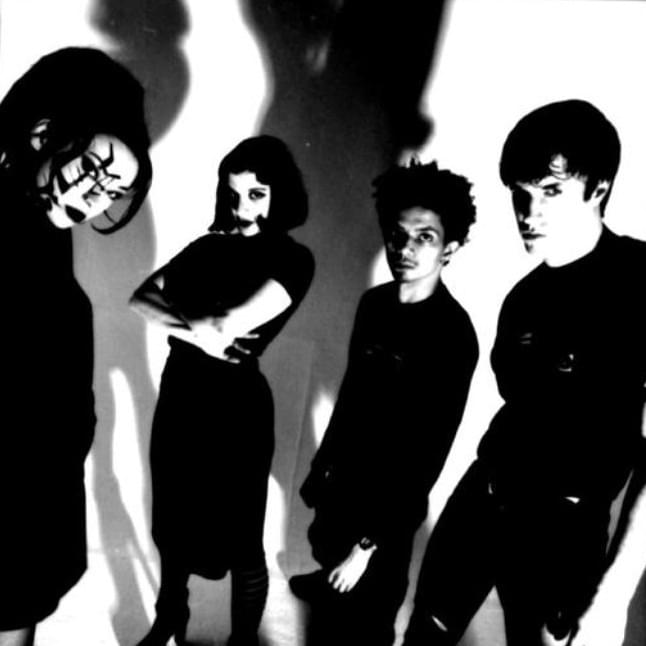
Joining Empire were Hanin Elias and Nic Endo, who brought their own unique perspectives and talents to the group. Elias's fierce vocals and Endo's noise manipulations added layers of complexity and intensity to ATR's music. Together, they formed a formidable trio that was determined to challenge the status quo.
Career Beginnings
Atari Teenage Riot's early performances were legendary for their intensity and chaos. They played in squats, abandoned buildings, and underground clubs, creating a sense of community and rebellion that resonated with disaffected youth. Their shows were less concerts and more like sonic riots, with the band members often destroying their equipment and inciting the audience to join in the mayhem.
The band quickly gained a reputation for their confrontational lyrics and anti-establishment stance. They railed against fascism, consumerism, and corporate control, using their music as a weapon to challenge the powers that be. Their message resonated with a generation that felt alienated and disenfranchised.
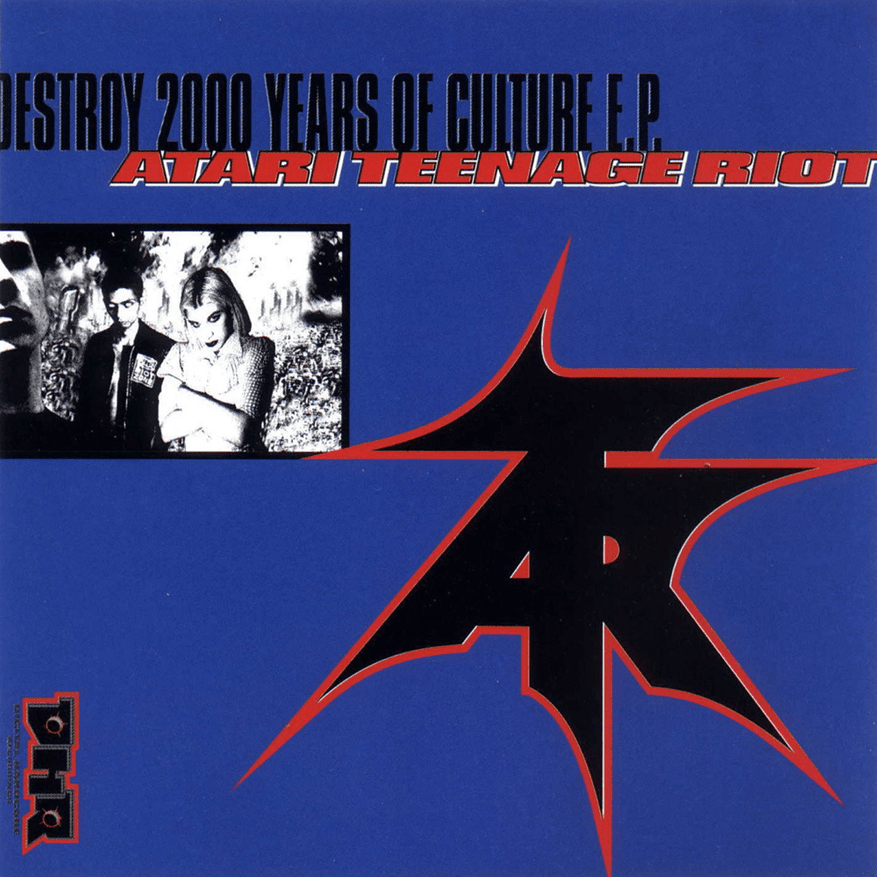
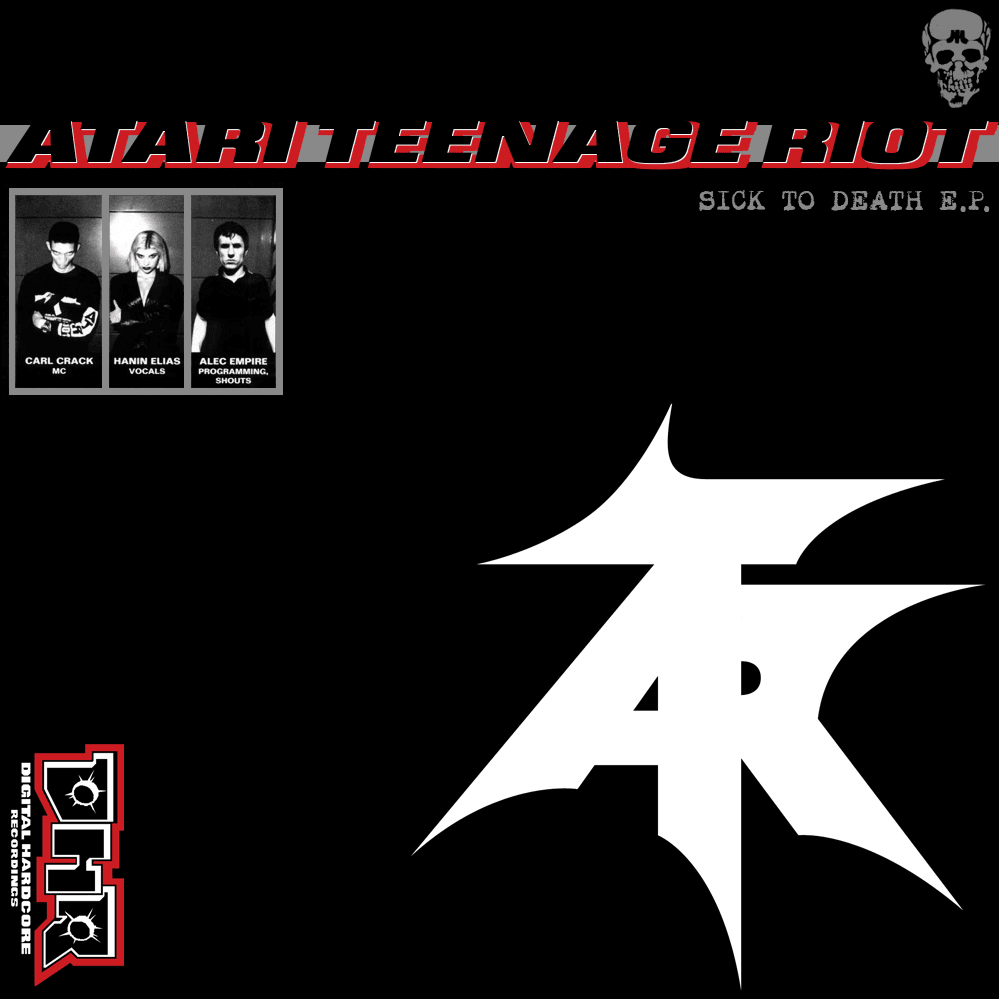
ATR's early recordings were raw and uncompromising, reflecting the DIY ethos of the underground scene. They released a series of EPs and singles on independent labels, gradually building a following both in Germany and abroad. It was their relentless touring and electrifying live shows that truly cemented their reputation as a force to be reckoned with. One of their early EPs was Sick To Death E.P.
Major Albums & Discography
Atari Teenage Riot's discography is a testament to their relentless creativity and unwavering commitment to their vision. Their albums are sonic manifestos, blending hardcore punk energy with electronic experimentation and political outrage. Each release marks a new chapter in the band's ongoing assault on the status quo.
Their debut album, Burn, Berlin, Burn!, released in 1997, is a landmark of digital hardcore. It's a furious blast of noise, techno, and punk rock energy, with tracks like Start the Riot! becoming instant anthems for the anti-establishment crowd. The album's raw production and confrontational lyrics perfectly captured the spirit of the underground scene.
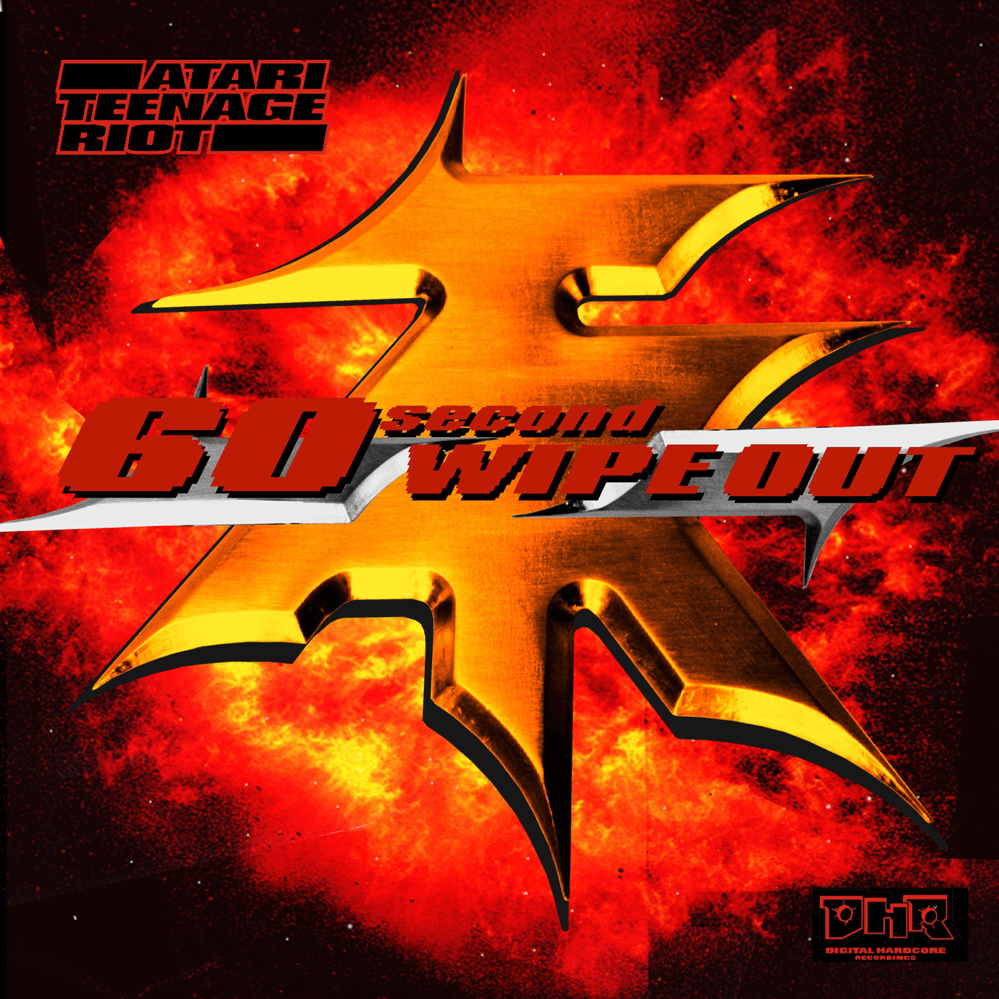
60 Second Wipe Out followed in 1999, pushing the band's sound even further into experimental territory. The album incorporated elements of breakbeat, jungle, and IDM, creating a more complex and layered sonic landscape. While some critics found the album challenging, others praised its ambition and originality.
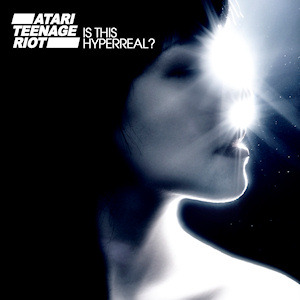
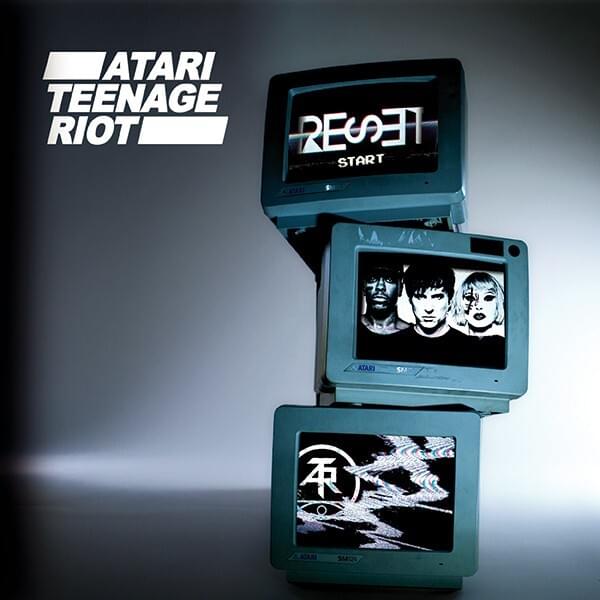
Later albums like Is This Hyperreal? and Reset saw the band continue to evolve their sound while maintaining their core values. These albums explored themes of digital culture, surveillance, and the erosion of privacy, reflecting the band's ongoing engagement with contemporary social and political issues. In 2011, they released Is This Hyperreal?, a record that continued their tradition of sonic rebellion.
Hit Songs & Signature Tracks
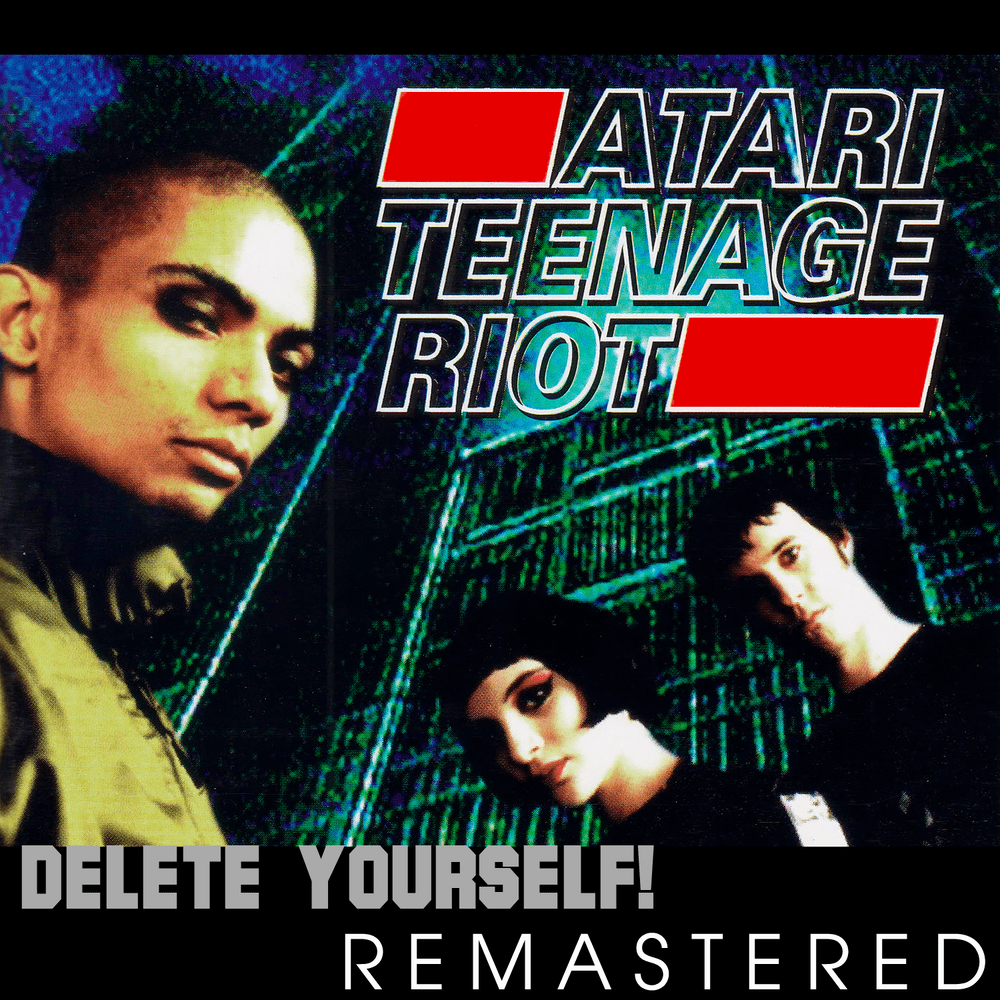
Atari Teenage Riot's catalog is packed with tracks that have become anthems for the digital hardcore generation. These songs are characterized by their raw energy, confrontational lyrics, and innovative blend of punk rock and electronic music. They are a testament to the band's ability to create music that is both politically charged and sonically groundbreaking. The song Delete Yourself! You Got No Chance to Win! (Live in Glasgow 17.10.1993) is a prime example of their early, chaotic energy.
Raverbashing is another signature track, known for its relentless beat and aggressive vocals. The song is a blistering critique of rave culture, accusing it of being superficial and escapist. Its confrontational message and high-energy sound made it a favorite among fans of both punk rock and techno.
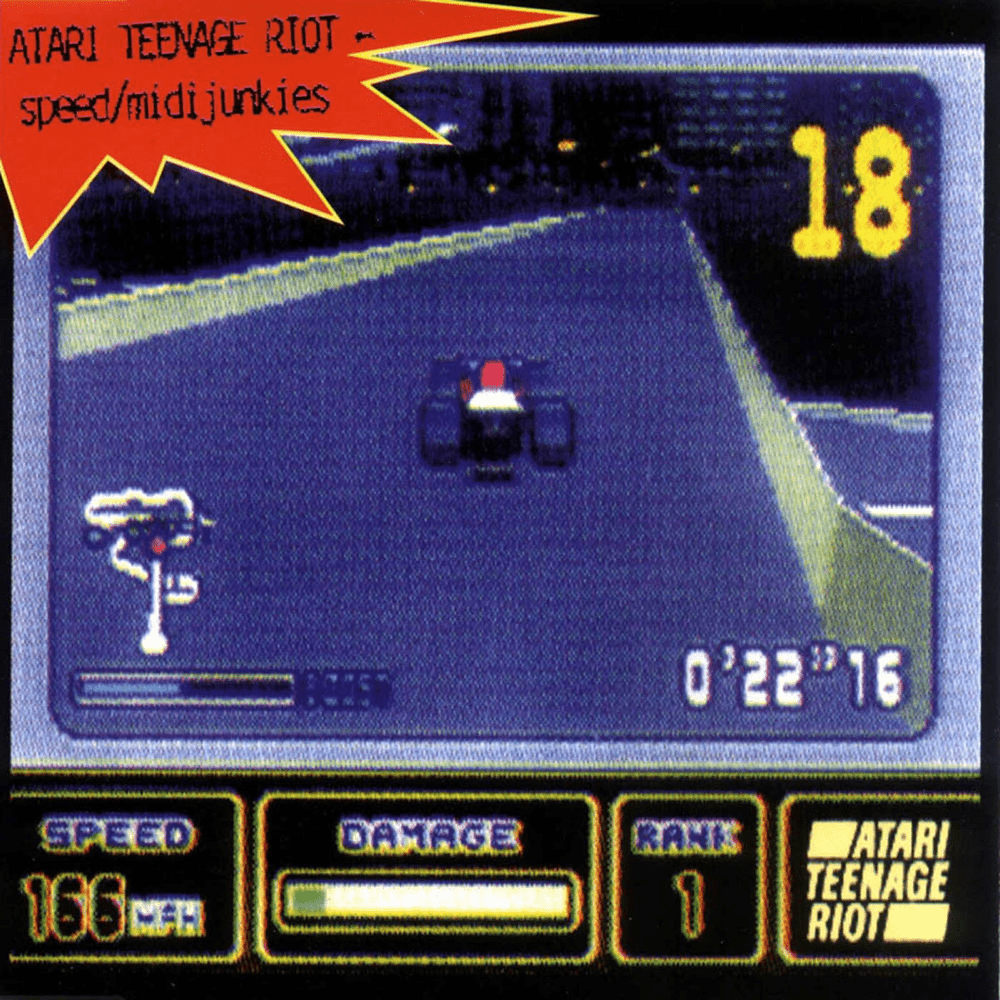
Speed is a high-octane blast of digital hardcore, with its relentless tempo and distorted synths creating a sense of urgency and chaos. The song is a commentary on the accelerating pace of modern life, warning against the dangers of technological overload. It's a perfect example of ATR's ability to combine social commentary with sonic experimentation. They followed this up with tracks like Sex and Midijunkies, solidifying their place in the scene.
Cyberpunks Are Dead! stands as a more recent example of their enduring ability to capture the zeitgeist. The track is a lament for the lost ideals of the cyberpunk movement, reflecting on the ways in which technology has been co-opted by corporate interests. It's a reminder that the fight for digital freedom is far from over.
Collaborations & Features
Atari Teenage Riot has collaborated with a diverse range of artists throughout their career, reflecting their openness to experimentation and their desire to push the boundaries of genre. These collaborations have resulted in some of the band's most interesting and innovative work.
One notable collaboration was with the Japanese noise artist Merzbow. Together, they created a track that blended ATR's digital hardcore sound with Merzbow's signature wall of noise. The result was a challenging and intense listening experience that pushed the limits of both artists' respective styles.
ATR has also worked with a number of electronic musicians, including Alec Empire's various side projects. These collaborations have explored the intersection of techno, punk, and experimental music, resulting in a series of cutting-edge releases. Their willingness to collaborate with artists from different backgrounds is a testament to their commitment to creative exploration.
Awards & Achievements
While Atari Teenage Riot's primary focus has never been on commercial success or mainstream recognition, they have received numerous accolades throughout their career. Their influence on electronic music, digital art, and activist circles has been widely acknowledged, and they have been praised for their unwavering commitment to their vision.
ATR has been nominated for several awards, including the German Echo Award. While they have never won a major award, their nominations are a testament to their impact on the music industry. More importantly, they have earned the respect and admiration of countless artists and fans around the world. Fans also recognize the raw energy of Hetzjagd auf Nazis! (Live in Berlin 25.2.1994) as a defining moment.
Their albums have consistently received critical acclaim, with many of them being hailed as classics of the digital hardcore genre. Their music has been featured in numerous films, video games, and television shows, further solidifying their cultural impact. Atari Teenage Riot's greatest achievement is their ability to inspire and empower others to challenge the status quo.
Personal Life
The members of Atari Teenage Riot have always maintained a degree of privacy regarding their personal lives. However, it is well known that they are deeply committed to social and political activism. They have used their platform to speak out against injustice, inequality, and oppression, and they have actively supported various causes and organizations.
Alec Empire, in particular, has been a vocal advocate for digital freedom and privacy rights. He has spoken out against government surveillance and corporate control of the internet, and he has worked to promote alternative technologies and platforms that empower individuals and communities. The group's dedication to fighting for a better world is an integral part of their identity.
Musical Style & Influence
Atari Teenage Riot's musical style is a unique blend of punk rock, techno, and noise. They are considered pioneers of the digital hardcore genre, which combines the energy and aggression of punk with the sonic textures of electronic music. Their sound is characterized by its distorted synths, breakneck tempos, and confrontational vocals.
ATR has been influenced by a wide range of artists, including the Sex Pistols, Kraftwerk, and Public Enemy. They have also drawn inspiration from the Dada movement, cyberpunk literature, and the Situationist International. Their eclectic mix of influences has helped them to create a sound that is both innovative and timeless.
Atari Teenage Riot has, in turn, influenced countless artists across a variety of genres. Their impact can be heard in the music of bands like Death Grips, Sleigh Bells, and Crystal Castles. They have also inspired a new generation of digital artists and activists who are using technology to challenge the status quo. Their legacy as sonic revolutionaries is secure.
Recent Work & What's Next
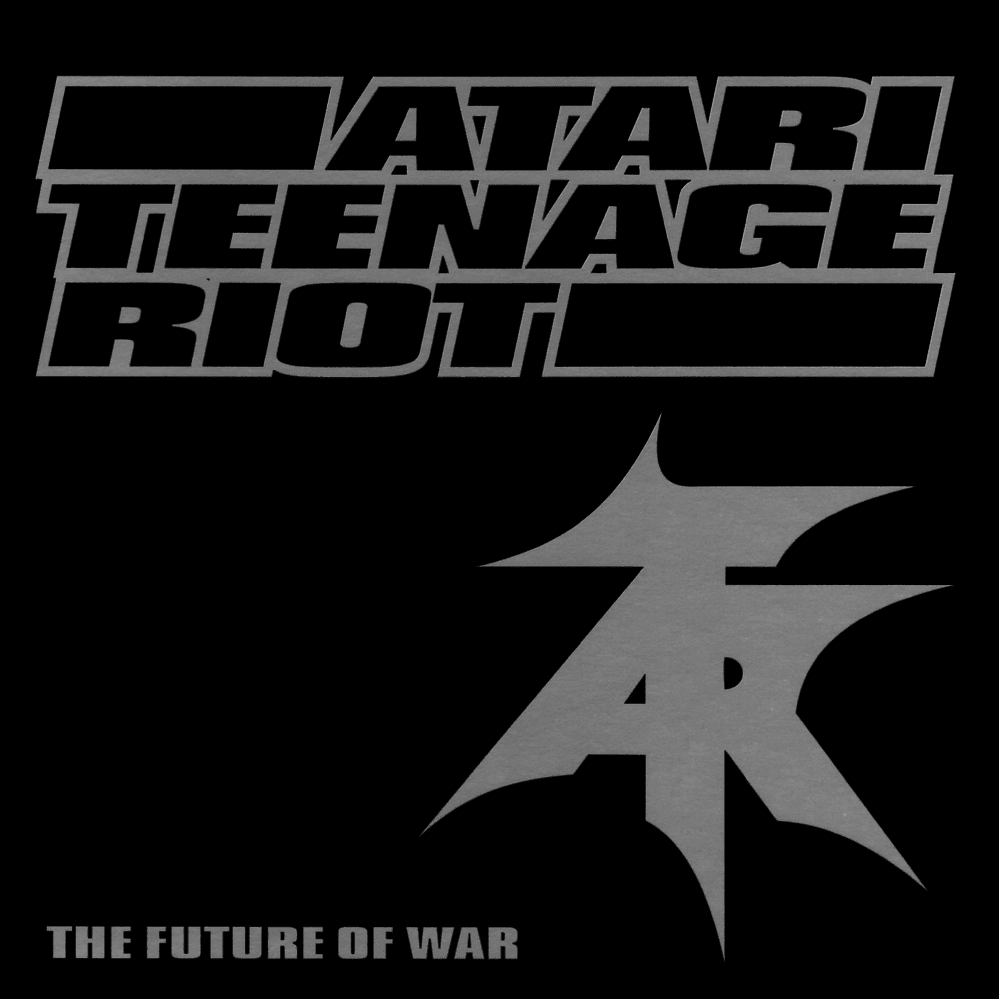
Atari Teenage Riot continues to tour and release music, proving that their fire is far from extinguished. They remain a vital force in the underground music scene, inspiring fans with their raw energy and uncompromising vision. The album The Future Of War showed that they had no intentions of slowing down.
While there are no confirmed plans for a new album, fans can expect ATR to continue pushing the boundaries of music and activism. Their commitment to challenging the status quo remains as strong as ever, and they are sure to continue making noise for years to come. The raw energy of Atari Teenage Riot still resonates today.
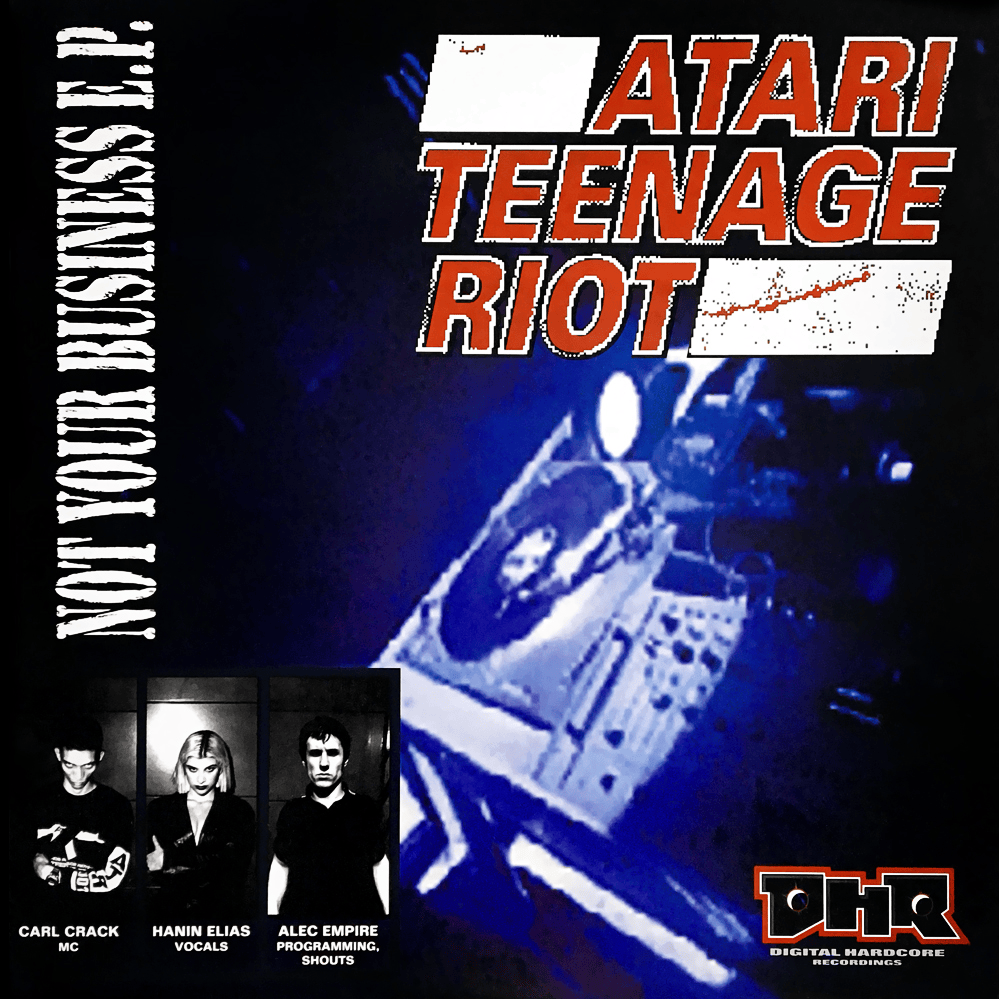
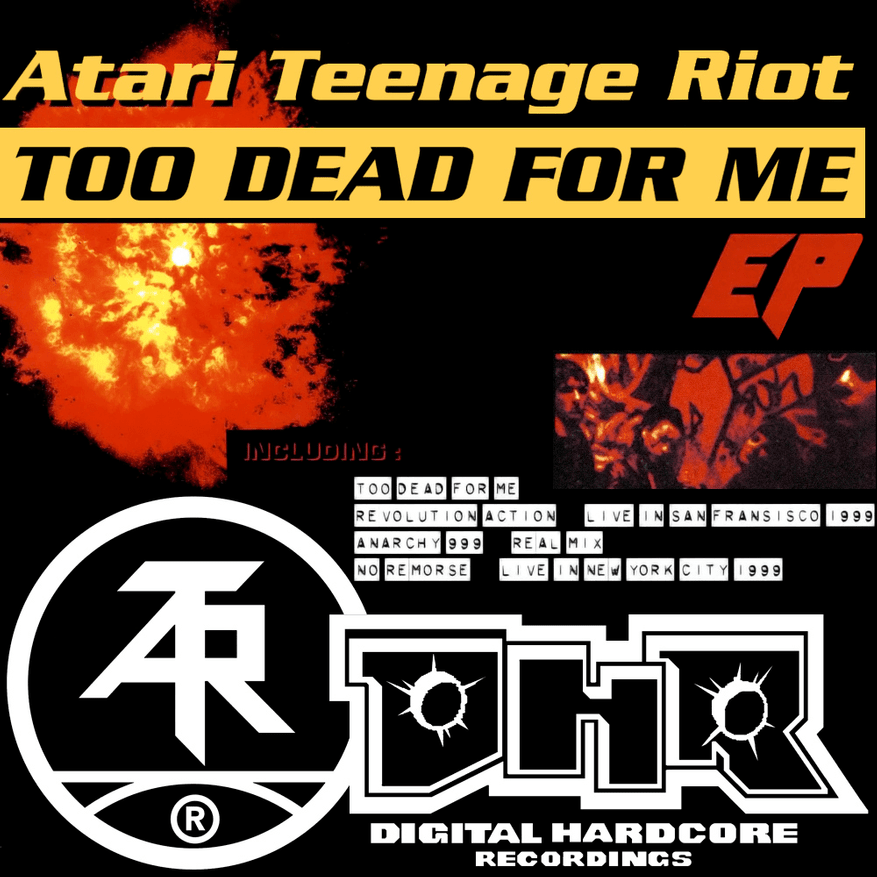
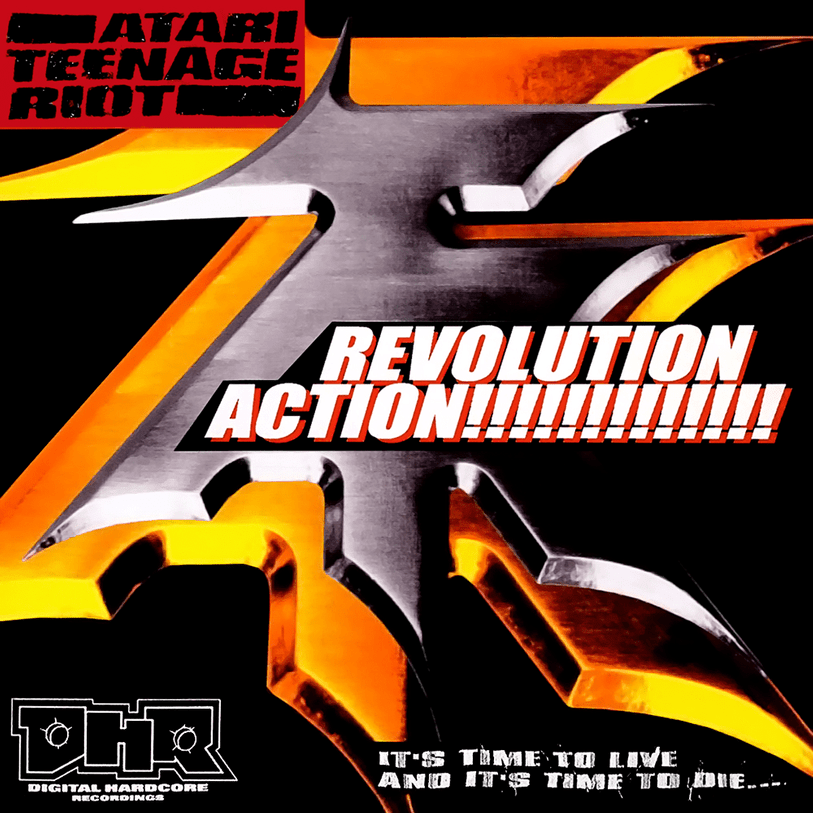
The band's earlier work, including Too Dead for Me, and Not Your Business E.P., remain influential. Even the release of Revolution Action!!!!!!!!!!!!! is still fondly remembered by fans.