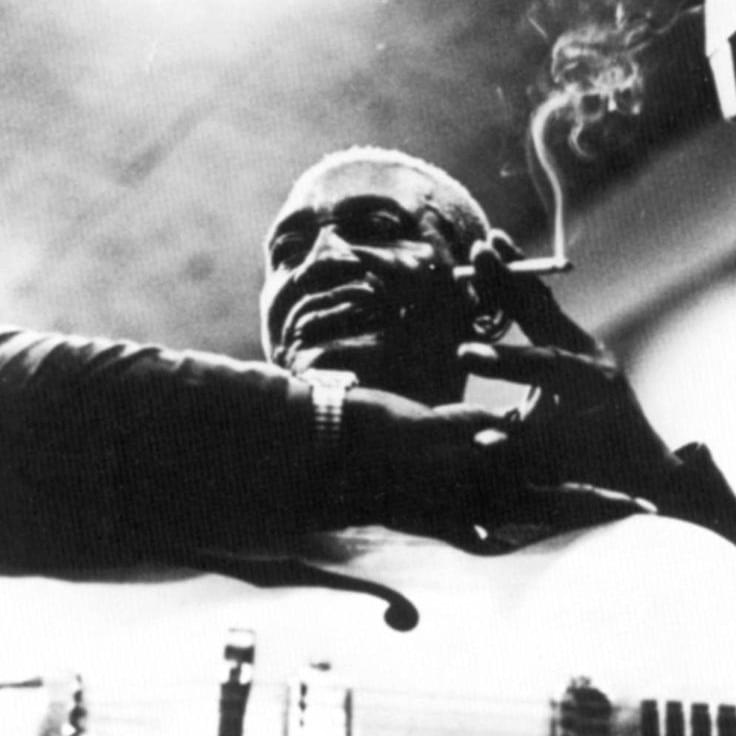
Arthur “Big Boy” Crudup
4.2K Listeners
Artist Bio
Introduction & Current Status
Arthur "Big Boy" Crudup might not be a household name tossed around at every music festival, but his influence echoes through generations of rock and roll legends. Think of him as the unsung hero, the OG whose riffs paved the way for guitar gods. While he's no longer topping charts (he passed away in 1974), Crudup's music continues to be discovered and appreciated by those digging deeper into the roots of rock and blues. His songs are constantly being rediscovered on platforms like TikTok, proving that timeless music never truly fades.
Crudup's raw, emotional delivery and simple yet powerful guitar style laid the foundation for countless artists. His impact is still felt today, particularly among blues revivalists and those who appreciate the authenticity of early blues music. In a world obsessed with the next big thing, Crudup reminds us of the enduring power of genuine artistry.
Early Life & Background
Born Arthur William Crudup in Forest, Mississippi, in 1905, his early life was steeped in the realities of the Jim Crow South. Growing up in a sharecropping family, music was a form of solace and expression. He absorbed the sounds of gospel, blues, and work songs that permeated his community, the very DNA of American music.
Crudup's family moved around Mississippi and eventually to Indianapolis, Indiana. This exposed him to different musical styles, but the deep-rooted blues remained his core passion. He was largely self-taught, developing his distinctive guitar style through observation and relentless practice. The hardships of his early life fueled the emotion in his music, giving it a raw and authentic edge.
Career Beginnings
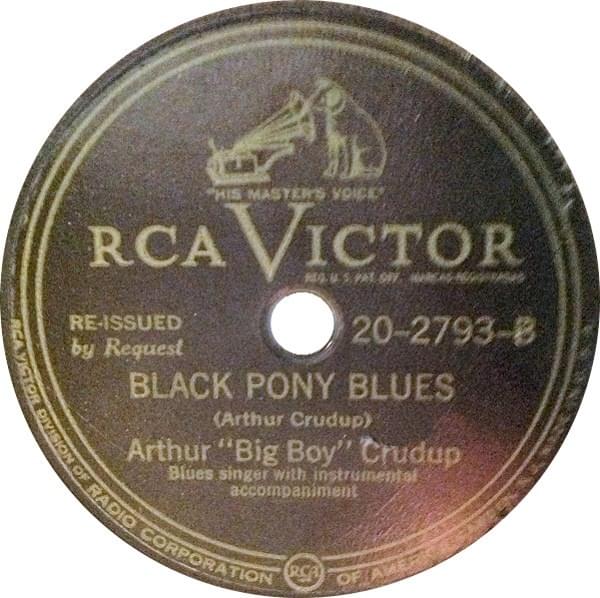
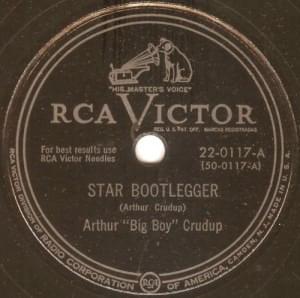
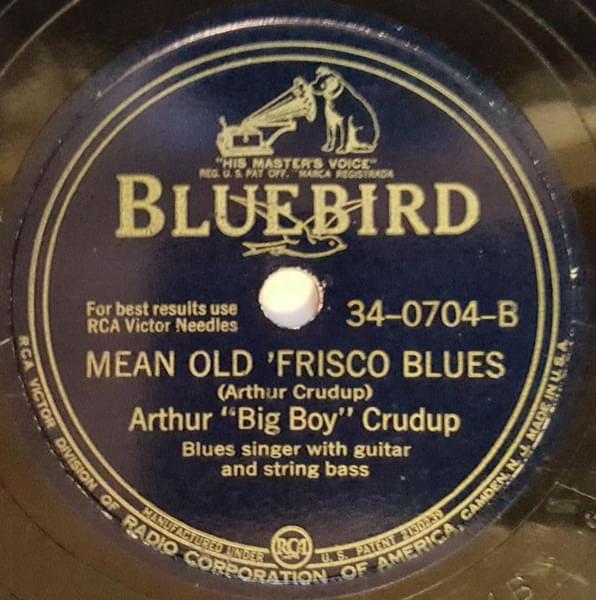
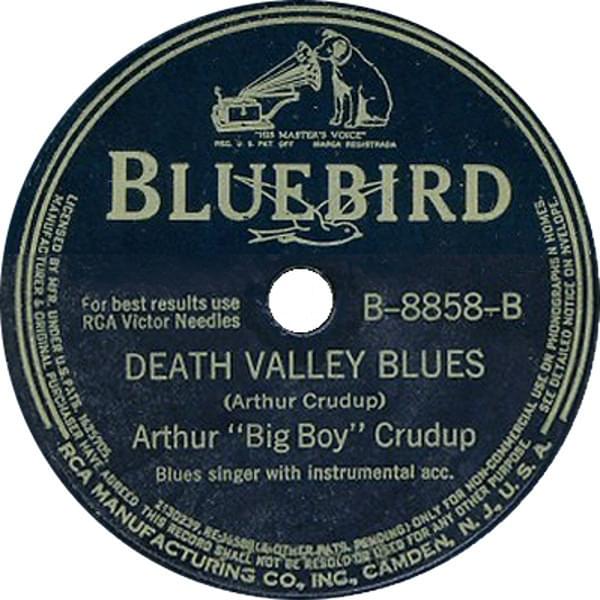
Crudup's journey to becoming a professional musician wasn't overnight. He honed his skills playing in local juke joints and bars, gradually building a following. A pivotal moment arrived when he connected with Horace and Tampa Red in Chicago, influential figures in the blues scene. They recognized his talent and helped him secure a recording contract with RCA Victor in 1941.
His early recordings for RCA were a mix of blues standards and original compositions. While he wasn't an immediate sensation, these recordings captured the essence of his raw talent and began to establish his name. Crudup faced the challenges of racial segregation and the exploitative practices common in the music industry at the time. He persevered, driven by his passion for music and a desire to share his voice.
Major Albums & Discography
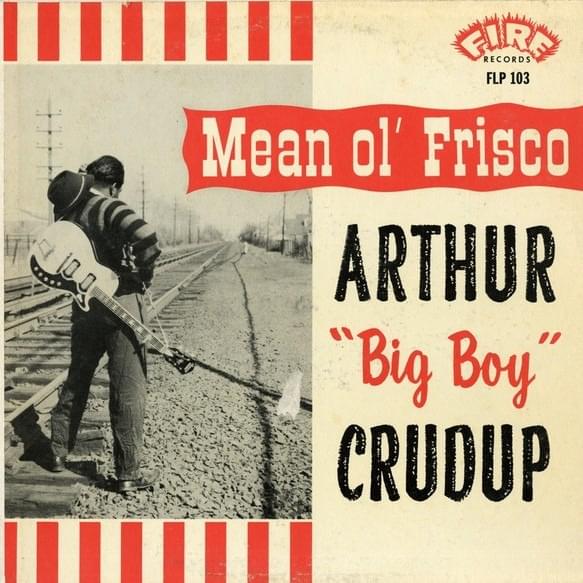
While Arthur "Big Boy" Crudup didn't necessarily release albums in the modern sense (compilations of his work were released later), his body of work for RCA Victor and other labels constitutes his essential discography. These recordings, primarily singles, showcased his evolving sound and cemented his place in blues history.
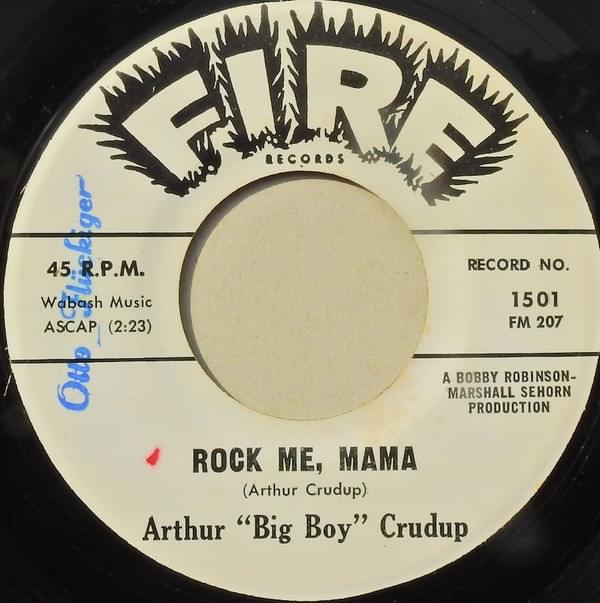
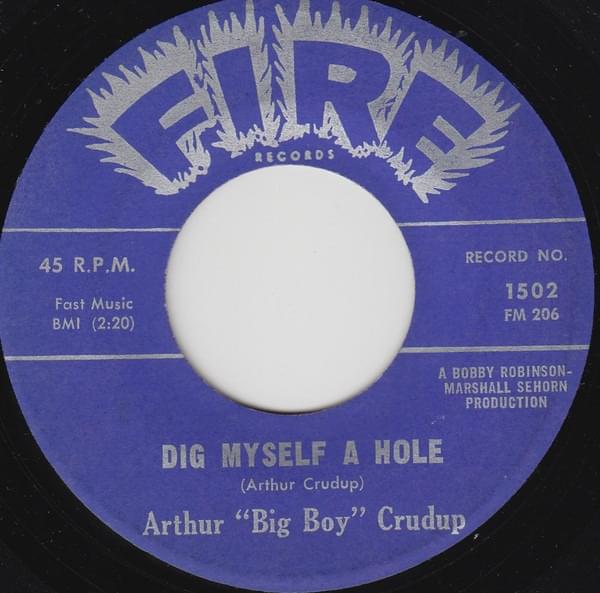
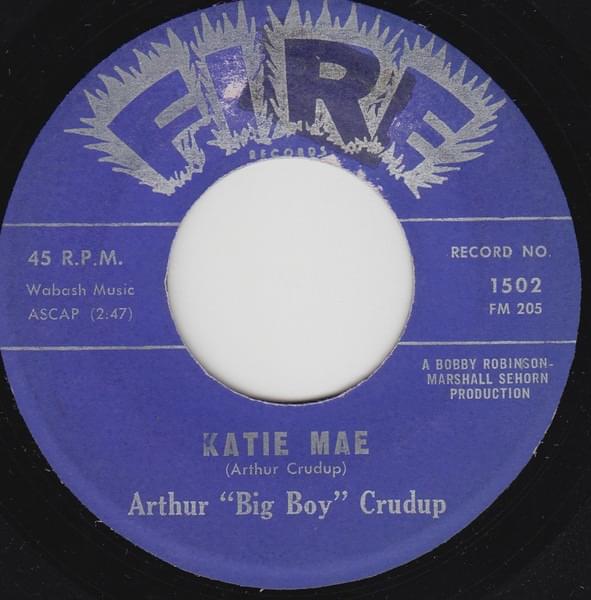
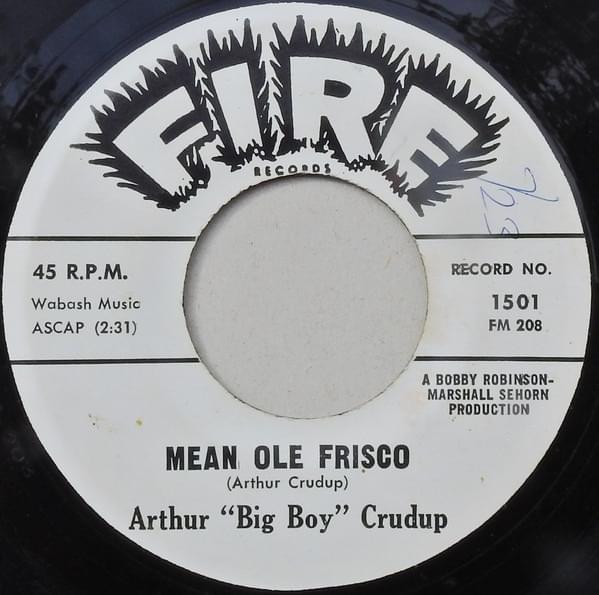
His recordings for Fire Records in the late 1960s and early 1970s, while less commercially successful, displayed a renewed energy and a willingness to experiment. These later works offer a glimpse into Crudup's artistic evolution and his continued dedication to the blues. It's worth diving deep into these collections to fully appreciate the breadth of his talent. Compilations like "The Father of Rock and Roll" offer a solid overview of his most influential work.
Hit Songs & Signature Tracks
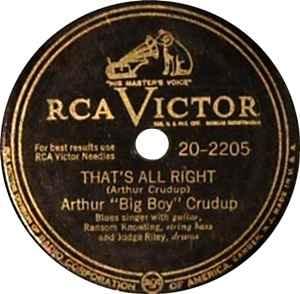
Crudup's legacy is built on a foundation of blues classics, songs that have been covered and reinterpreted by countless artists. "That's All Right," originally recorded in 1946, became a launching pad for Elvis Presley in 1954. This song alone secured Crudup's place in music history as a key influence on the King of Rock and Roll. Think about that for a sec: Elvis covering you? Main character energy.
"My Baby Left Me," another Crudup original, also found its way into Elvis's repertoire, further solidifying Crudup's influence. These songs, characterized by simple chord progressions, heartfelt lyrics, and Crudup's distinctive vocal delivery, resonated with audiences and continue to be celebrated. They're the kind of tracks that make you wanna grab a guitar and just *feel* the blues.
Other notable songs include "So Glad You're Mine" and "Who's Been Fooling You." Each song tells a story of love, loss, and the struggles of everyday life. These weren't just songs; they were raw, unfiltered expressions of the human experience. Crudup's ability to connect with listeners on such a visceral level is what makes his music so enduring.
Collaborations & Features
While Crudup was primarily a solo artist, his songs have been "collaborated" on by countless musicians through covers and reinterpretations. Elvis Presley's versions of "That's All Right" and "My Baby Left Me" are prime examples of this. These covers brought Crudup's music to a wider audience and introduced his style to a new generation of listeners. It's like the ultimate co-sign.
His influence extends beyond Elvis. Artists like Creedence Clearwater Revival and Rod Stewart have also covered Crudup's songs, demonstrating the lasting appeal of his music across genres. While not direct collaborations, these covers serve as a testament to Crudup's songwriting prowess and his ability to create music that transcends time. He's the quiet influencer you didn't know you needed.
Awards & Achievements
While Crudup didn't receive mainstream awards like Grammys during his lifetime, his true achievements lie in his profound influence on rock and roll. He's often cited as one of the key figures in the development of the genre, a pioneer who paved the way for countless artists. His songs have been inducted into the Blues Foundation Hall of Fame, recognizing their historical significance.
Crudup's impact is immeasurable. He didn't need a trophy to validate his artistry. His legacy lives on through the musicians he inspired and the countless listeners who continue to discover his music. He's proof that true success isn't always measured in gold records, but in the lasting impact you have on the world.
Personal Life
Arthur "Big Boy" Crudup's personal life was marked by both joy and hardship. He faced the challenges of racial discrimination and the exploitative practices prevalent in the music industry. Despite these obstacles, he remained dedicated to his music and his family. He eventually returned to Mississippi, where he continued to perform and work to support himself.
He was known for his quiet demeanor and his strong sense of integrity. While not much is widely publicized, Crudup lived a relatively private life. He focused on his music and his connection with his community. He was a man of the people, a bluesman who sang about their joys and sorrows. A true artist, through and through.
Musical Style & Influence
Crudup's musical style is characterized by its raw simplicity and emotional depth. He blended elements of blues, gospel, and country music to create a sound that was uniquely his own. His guitar playing was straightforward but effective, providing a solid foundation for his heartfelt vocals. He was a master of conveying emotion through minimal means. Low-key iconic.
His influence on rock and roll is undeniable. Elvis Presley, in particular, drew heavily from Crudup's style, adopting his vocal phrasing and guitar licks. Crudup's music served as a bridge between the blues and rock and roll, helping to shape the sound of a new generation. He's the blueprint, the original template.
Crudup's legacy continues to inspire musicians today. His emphasis on authenticity and emotional honesty resonates with artists who are seeking to connect with their audiences on a deeper level. He reminds us that music is about more than just technical skill; it's about expressing the human experience in all its complexity.
Recent Work & What's Next
While Arthur "Big Boy" Crudup is no longer with us, his music continues to be celebrated and rediscovered. Compilations of his work are readily available, ensuring that his legacy lives on. His influence can be heard in the music of countless artists, from classic rockers to contemporary blues musicians.
There are no new releases or tours on the horizon, obviously, but Crudup's music remains timeless. His songs are constantly being streamed, covered, and sampled. He's a reminder that true artistry never fades away, it just evolves and finds new ways to connect with audiences.
Popular Albums
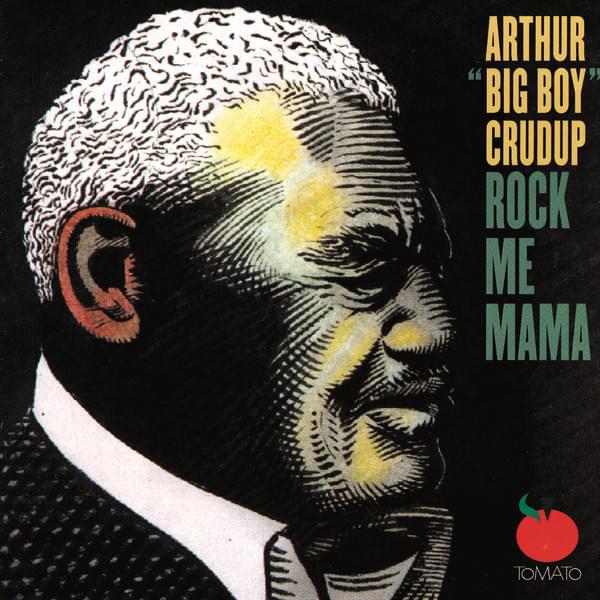
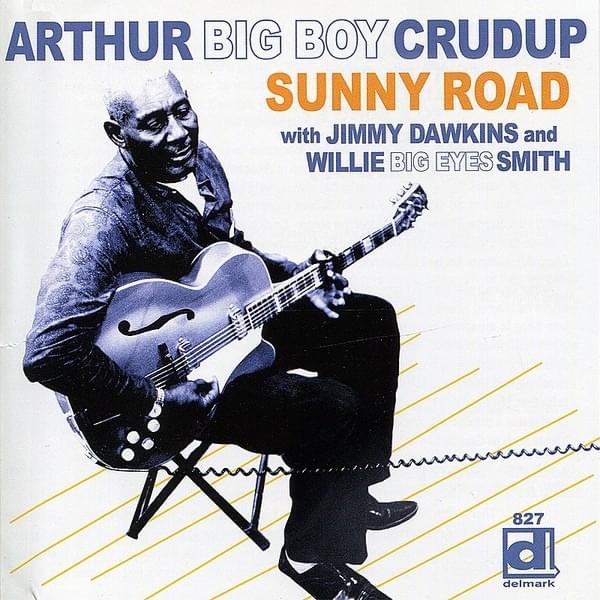
Popular Songs

Reviews
Comments
Questions & Answers
Music Awards
0 Total
No Music Awards Found