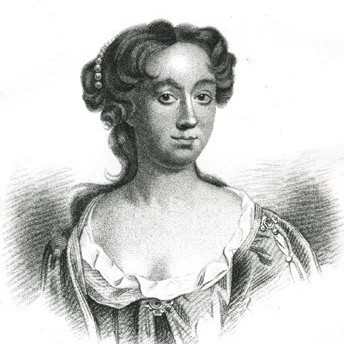
Aphra Behn
Artist Bio
Aphra Behn: The OG Icon Who Penned Hits Before 'Hits' Were Even a Thing
Introduction & Current Status
Forget your modern-day pop stars; before anyone was dropping TikTok-viral bangers, there was Aphra Behn, serving up literary fire and breaking barriers like it was her full-time gig. This 17th-century legend isn't just a historical footnote; she's a whole mood, a bona fide icon whose influence still ripples through feminist thought, literary studies, and even modern theatre. Seriously, if you're talking about trailblazers, she's practically the main character of the entire Restoration era.
Her plays and prose aren't just dusty old texts; they're still dissected, performed, and debated, proving that true artistry transcends centuries. Academics and theatre buffs alike continue to unpack her sharp wit and subversive themes, cementing her status as a literary heavyweight. She was, and remains, an absolute legend who paved the way for countless women to pick up a pen and own their narratives.
Early Life & Background
Born in the mid-1600s, likely in or near Wye, Kent, Aphra Behn’s early life is a bit like a cryptic tweet – full of intrigue and speculation. While precise details are scarce, it’s believed she was the daughter of Bartholomew Johnson and Amy Johnson, growing up amidst the tumultuous backdrop of the English Civil War and the subsequent Restoration. This wasn't exactly a time for quiet introspection; it was a period ripe with political upheaval and societal shifts that undoubtedly shaped her razor-sharp perspective.
Her formative years likely involved exposure to the vibrant, often scandalous, world of London society, or perhaps even a stint in the Dutch colony of Suriname, a period often cited as a major influence on her groundbreaking novel. This early exposure to diverse cultures and the raw realities of colonial life provided a unique lens through which she would later explore themes of freedom, oppression, and identity, giving her work an edge that was light-years ahead of its time.
Career Beginnings
Aphra Behn’s entry into the cutthroat world of 17th-century literature wasn't some leisurely pursuit; it was a hustle born out of necessity. After the death of her elusive 'Mr. Behn' (whose existence is itself a hot topic for historians) and a rumored stint as a spy for King Charles II, she found herself in serious debt, even landing a brief stay in debtor’s prison. Talk about a glow-up motivation!
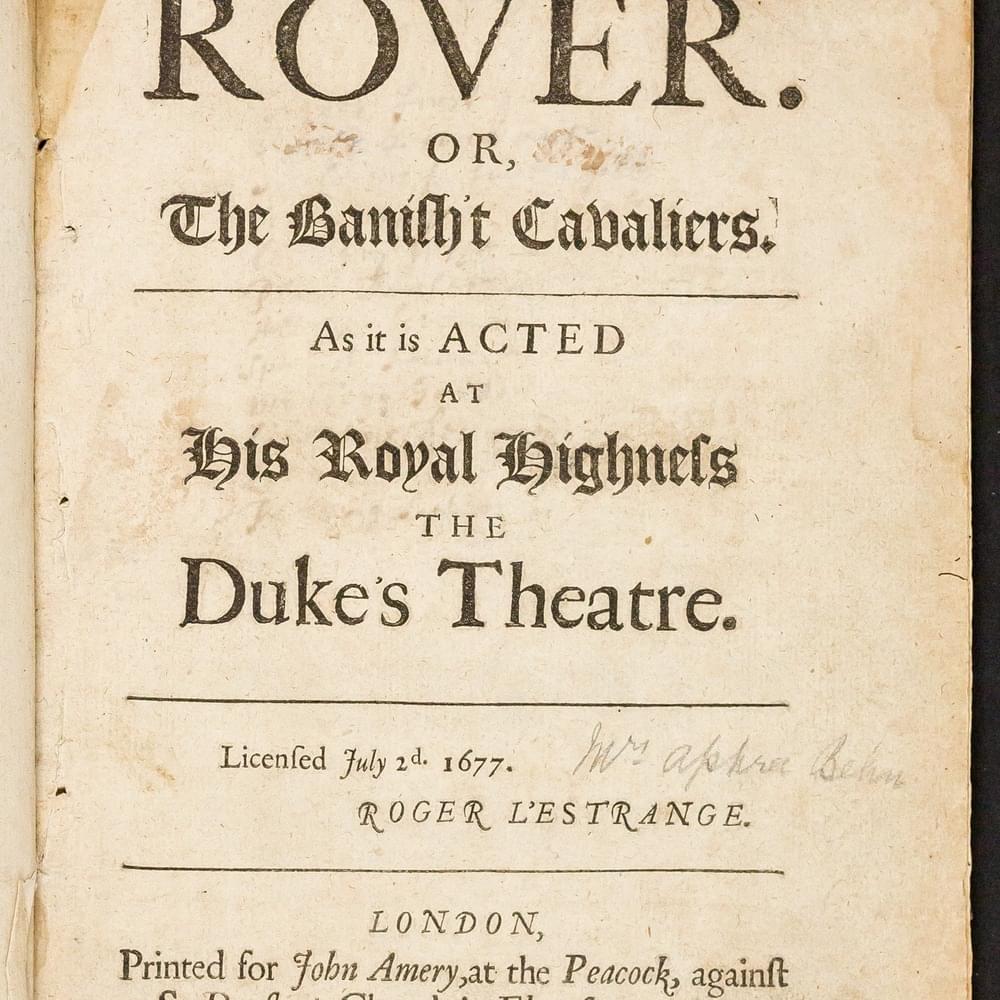
This financial pressure pushed her towards the stage, a bold move for any woman, let alone one seeking to make a living from her craft. Her early plays, like *The Forc'd Marriage* (1670) and *The Amorous Prince* (1671), quickly established her as a formidable voice. She quickly became a fixture with the Duke's Company, one of London's premier theatre troupes. Her breakthrough, however, arrived with the iconic The Rover, a play so successful it cemented her reputation and proved that a woman could not only write for the stage but absolutely dominate it, making serious bank in the process.
Major Albums & Discography
When we talk about Aphra Behn’s discography, we're diving into a collection of literary masterpieces that were, in her era, as impactful as any chart-topping album today. Her plays and novels weren't just stories; they were cultural events, sparking conversations and challenging norms. The 1677 release of The Rover was, without a doubt, her breakout 'album,' a witty, raunchy, and ultimately feminist Restoration comedy that captured the zeitgeist. It was a smash hit, performed repeatedly and reprinted multiple times, proving Behn had her finger on the pulse of what audiences craved.
Years later, she dropped another seminal 'album,' Oroonoko; or The Royal Slave (1688), a novel that was revolutionary for its time. This powerful work, often considered one of the earliest English novels, offered a searing critique of slavery and colonialism, showcasing Behn's incredible range and daring intellectual curiosity. It wasn't just a story; it was an urgent social commentary, laying groundwork for abolitionist literature that would follow.
Across her impressive body of work, Behn's 'sound' evolved from the playful cynicism of her comedies to the profound moral questioning of her later prose. Each 'release' built upon the last, solidifying her reputation as a writer unafraid to tackle complex human experiences with both wit and gravitas. Her works remain a testament to her enduring genius, proving she was consistently dropping heat long before the concept of 'album cycles' even existed.
Hit Songs & Signature Tracks
Aphra Behn's catalog is stacked with 'tracks' that left an undeniable mark, proving she had a knack for crafting narratives that resonated deeply with her audience. Her magnum opus, Oroonoko; or The Royal Slave, stands out as a foundational piece, challenging societal norms around race and freedom with a narrative intensity that still hits hard today. It wasn't just a story; it was a cultural moment, sparking conversations that were truly ahead of its time.
But let's not forget the absolute theatrical bop that was The Rover. This play, a Restoration comedy par excellence, delivered scene after scene of pure gold. From the opening gambits of The Rover Act I Chapter I to the intricate dance of wit and desire in The Rover Act I Chapter II, Behn captivated audiences. The rising tension and comedic brilliance continued through The Rover Act II Chapter I and the equally engaging The Rover Act II Chapter II, showcasing her mastery of dramatic pacing.
The play's momentum never faltered, with each subsequent act delivering more iconic moments. The Rover Act III Chapter I, The Rover Act III Chapter II, The Rover Act III Chapter III, and The Rover Act III Chapter IV were packed with sharp dialogue and unforgettable character interactions that solidified its legendary status. Even as the narrative drew towards its conclusion in The Rover Act IV Chapter I, Behn maintained a level of wit and insight that few could match. Her signature tracks weren't just popular; they were revolutionary, securing her place as a literary titan.
Collaborations & Features
While the 17th-century literary scene didn't have features on tracks like today's music industry, Aphra Behn was a master collaborator in her own right, navigating the complex ecosystem of Restoration theatre. She worked closely with prominent acting companies like the Duke's Company, essentially 'featuring' her scripts on their stages and relying on their talented actors to bring her witty dialogue to life. These were the power players who turned her words into must-see events for London's elite.
Her work also 'collaborated' with the political and social currents of her time, often reflecting or subtly critiquing the monarchy and prevailing norms. She was part of a vibrant intellectual circle, exchanging ideas and dedicating works to influential patrons, leveraging these connections to champion her art. Behn was also a prolific translator, essentially providing 'features' for classical and French texts, bringing them to an English audience and proving her versatility across genres long before 'cross-genre work' was a buzzword.
Awards & Achievements
If the 17th century had its own version of the Grammys or Billboard charts, Aphra Behn would have swept them. Her most significant 'award' is arguably her status as the first professional female writer in England, a groundbreaking achievement that cracked open the door for every woman who followed. She didn't just write; she earned a living from it, challenging deeply ingrained societal expectations and proving that intellectual labor could be a viable career for women.
Beyond that, her plays enjoyed immense popularity and critical acclaim during her lifetime, being staged repeatedly and often reprinted, which was the ultimate 'chart-topping' success of the era. Her burial in Westminster Abbey, a hallowed ground for Britain's greatest minds, stands as a posthumous testament to her enduring legacy and the recognition she eventually received. She didn't just break records; she set the blueprint for an entire generation of female creatives, proving that talent and tenacity could overcome any obstacle.
Personal Life
Aphra Behn’s personal life was as dramatic and enigmatic as any of her plays, a true testament to living life on her own terms in an era that tried to box women in. Rumors swirled about her adventurous past, including a possible stint as a spy for King Charles II in Suriname and Antwerp, which, let's be real, gives her major secret agent main character energy. She was notoriously private about her romantic entanglements, yet her writings often explored themes of love, desire, and sexual freedom with a frankness that was scandalous for the time.
She was a savvy businesswoman, navigating the male-dominated literary and theatrical worlds to support herself, often using her sharp wit to defend her work against critics who tried to dismiss it because of her gender. Beyond her writing, Behn was a fierce advocate for intellectual independence, subtly pushing back against patriarchal norms through her art and her life. Her dedication to financial autonomy and creative freedom makes her an undeniable icon for anyone hustling to make their mark.
Musical Style & Influence
Aphra Behn's 'musical style,' if we're talking literary vibe, was a masterful blend of Restoration wit, sharp social commentary, and an unapologetic exploration of human desire. Her plays often pulsed with the rhythmic banter of clever dialogue, delivering satirical jabs at societal hypocrisy with the precision of a perfectly timed bass drop. She blurred genre lines, moving seamlessly between the high-stakes drama of tragedy, the laugh-out-loud antics of comedy, and the deep emotional resonance of early prose fiction.
Her artistic influences were wide-ranging, drawing from classical playwrights, French dramatists like Molière, and contemporary figures like Shakespeare and Ben Jonson, yet she always filtered these through her unique, proto-feminist lens. Behn's legacy is undeniable; she directly influenced later generations of female writers, from the proto-feminist voices of the 18th century to modern literary giants like Virginia Woolf, who famously championed Behn's trailblazing spirit. She didn't just write; she carved out a space, proving that a woman's voice could be both powerful and profitable, setting the stage for centuries of artistic freedom.
Recent Work & What's Next
While Aphra Behn herself isn't dropping new tracks, her 'recent work' manifests in the continuous rediscovery and reinterpretation of her timeless catalog. Modern theatre companies frequently stage fresh adaptations of her plays, breathing new life into her sharp dialogue and enduring themes for contemporary audiences. Her novels and poetry are permanent fixtures in university curricula, sparking new academic discourse and ensuring her groundbreaking ideas continue to challenge and inspire.
As for 'what's next,' Behn's legacy is only growing stronger. She's consistently cited as a foundational figure in feminist literary theory, a testament to her enduring impact. Her work continues to be a touchstone for discussions on gender, race, and power, proving that a writer from the 17th century can still serve up fresh insights in the 21st.
Popular Albums
Popular Songs
Reviews
Comments
Questions & Answers
Music Awards
0 Total
No Music Awards Found