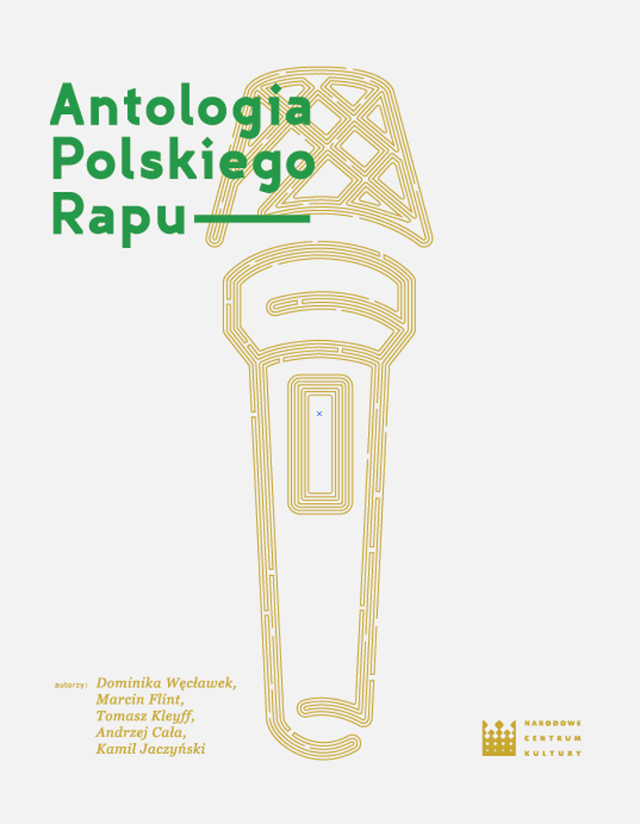

Antologia Polskiego Rapu
1 Listeners
Artist Bio
Introduction & Current Status
Antologia Polskiego Rapu isn't your typical artist; it's a carefully curated compilation, a time capsule holding the very essence of Polish hip-hop's rise to prominence. Think of it as a cultural artifact that continues to resonate with both OG fans and a new generation discovering the roots of the Polish rap scene. In a world of fleeting trends, Antologia Polskiego Rapu provides a grounding force, a reminder of the raw energy and lyrical prowess that defined the genre's formative years.
This collection isn't chasing chart positions in the traditional sense. Instead, it holds a permanent spot in the hearts of listeners, consistently revisited and rediscovered. It's the kind of project that sparks conversations, ignites nostalgia, and serves as a crucial educational tool for anyone wanting to understand the DNA of Polish rap. Consider it less of a fleeting hit and more of a foundational text.
Early Life & Background
Unlike a solo artist, Antologia Polskiego Rapu represents a collective history, a mosaic of voices that emerged from various corners of Poland. The late 80s and early 90s saw a surge of cultural exchange, with hip-hop making its way across borders and finding fertile ground in the post-communist landscape. This era was characterized by a hunger for expression, a desire to break free from the constraints of the past, and a fascination with the sounds and styles emanating from the United States.
For many young Poles, hip-hop wasn't just music; it was a lifeline. It offered a way to articulate their experiences, their frustrations, and their dreams in a language that felt authentic and immediate. This cultural movement was fueled by mixtapes, bootleg recordings, and a DIY ethos that emphasized community and collaboration. The artists featured on Antologia Polskiego Rapu were pioneers, forging their own path in a scene that was still finding its identity.
Career Beginnings
The artists included in Antologia Polskiego Rapu each embarked on their musical journeys in unique ways. Some started out as members of local crews, battling for supremacy in underground cyphers. Others honed their skills in makeshift studios, experimenting with samplers and drum machines. What united them was a shared passion for hip-hop and a determination to make their voices heard. These early days were marked by challenges and limitations, but also by a spirit of innovation and camaraderie.
The compilation itself wasn't the beginning, but a retrospective celebration. It wasn't about launching careers; it was about honoring the groundwork laid by these artists. The 'breakthrough moment' for many of these pioneers was simply finding an audience, connecting with listeners who understood their message and appreciated their artistry. The key people were often the producers, DJs, and promoters who championed their music and helped them reach a wider audience.
Major Albums & Discography
Since Antologia Polskiego Rapu is a compilation, it doesn't have a traditional discography in the way a solo artist would. However, the albums released by the individual artists featured on the compilation represent a significant body of work. These albums captured the sound and spirit of a generation, exploring themes of social justice, personal struggle, and cultural identity. They were raw, unfiltered, and often politically charged, reflecting the realities of life in Poland during a period of rapid transformation.
While critical reception varied, these albums were hugely influential within the Polish hip-hop community. They established the artists as key figures in the scene and paved the way for future generations of rappers. The evolution of sound across these albums mirrored the broader development of hip-hop in Poland, from its early, sample-heavy beginnings to its embrace of more contemporary production techniques.
Hit Songs & Signature Tracks
Identifying "hit songs" within the context of Antologia Polskiego Rapu requires a slightly different perspective. These weren't necessarily tracks that dominated the mainstream charts, but rather songs that resonated deeply with the underground hip-hop community and became anthems of a generation. They were the tracks that filled the airwaves of pirate radio stations, the songs that were played at countless house parties, and the tracks that continue to be cited as classics by Polish hip-hop heads.
These signature tracks often featured intricate wordplay, powerful storytelling, and a distinctive Polish sensibility. They tackled issues that were relevant to the lives of young people in Poland, from economic hardship to political corruption. They were songs that spoke truth to power and gave voice to the voiceless. While they may not have achieved platinum or gold certification in the traditional sense, they earned a different kind of recognition: the unwavering respect and loyalty of a dedicated fanbase.
Collaborations & Features
The early Polish hip-hop scene thrived on collaboration. Artists frequently appeared on each other's tracks, forming crews and collectives that blurred the lines between solo projects and group efforts. These collaborations were often born out of a shared sense of purpose and a desire to elevate the entire scene. They represented a spirit of unity and mutual support that was crucial to the development of Polish hip-hop.
Cross-genre work was less common in the early days, as artists tended to stay within the confines of hip-hop. However, as the scene matured, collaborations with artists from other genres became more frequent, reflecting a growing openness to experimentation and a desire to reach a wider audience. These collaborations often brought a fresh perspective to Polish hip-hop, blending its raw energy with elements of funk, soul, and electronic music.
Awards & Achievements
In the early days of Polish hip-hop, awards and mainstream recognition were few and far between. The scene was largely ignored by the established music industry, which viewed it as a passing fad. However, the artists featured on Antologia Polskiego Rapu achieved something far more valuable: they built a vibrant and thriving underground community that sustained itself for years.
Their achievements were measured not in Grammy nominations or Billboard chart positions, but in the number of fans they connected with, the impact they had on Polish culture, and the legacy they left behind. They broke down barriers, challenged conventions, and paved the way for future generations of Polish rappers to achieve mainstream success. Their true reward was the knowledge that they had created something meaningful and enduring.
Personal Life
Given that Antologia Polskiego Rapu is a compilation, focusing on the personal lives of the individual artists would be beyond the scope of this biography. However, it's worth noting that many of these artists came from humble backgrounds and faced significant challenges in their personal lives. Their music often reflected these experiences, offering a glimpse into the realities of life in Poland during a period of economic and social upheaval.
While some artists engaged in philanthropic activities or business ventures, these aspects of their lives were often overshadowed by their music. Their primary focus was on creating art that resonated with their audience and reflected the world around them. They were artists first and foremost, and their personal lives were often intertwined with their creative pursuits.
Musical Style & Influence
The musical style of Antologia Polskiego Rapu is rooted in the classic sounds of early hip-hop, drawing inspiration from American artists like Public Enemy, A Tribe Called Quest, and the Wu-Tang Clan. However, these influences were filtered through a uniquely Polish lens, resulting in a sound that was both familiar and distinct. The lyrics were often complex and politically charged, reflecting a deep engagement with social issues.
The artists featured on the compilation have had a profound influence on subsequent generations of Polish rappers. They established the foundations of the Polish hip-hop scene and inspired countless young people to pick up a microphone and express themselves. Their legacy continues to be felt today, as new artists build upon their work and push the boundaries of the genre. They are considered pioneers and legends within the Polish hip-hop community.
Recent Work & What's Next
Antologia Polskiego Rapu, as a compilation, doesn't have "recent work" in the traditional sense. However, the individual artists featured on the compilation may still be active in the music industry, releasing new albums, touring, and collaborating with other artists. The compilation itself serves as a reminder of their enduring contribution to Polish culture and a testament to the power of hip-hop to transcend generations.
For the artists themselves, the future may hold new creative projects, collaborations, or even a return to their roots. Regardless of what they choose to do, their place in Polish hip-hop history is secure. Antologia Polskiego Rapu ensures that their music will continue to be heard and appreciated for years to come, inspiring new generations of artists and fans alike.
Popular Albums
Popular Songs
Reviews
Comments
Questions & Answers
Music Awards
0 Total
No Music Awards Found