Introduction & Current Status
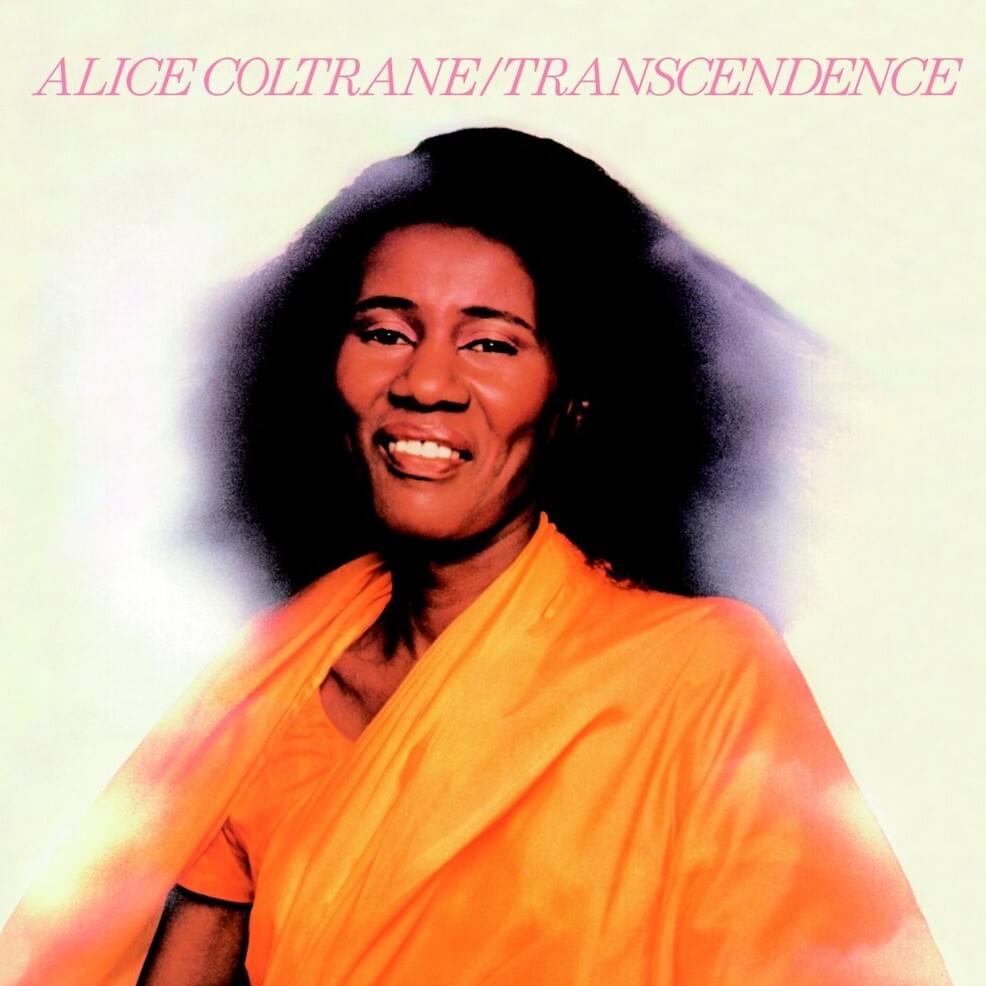
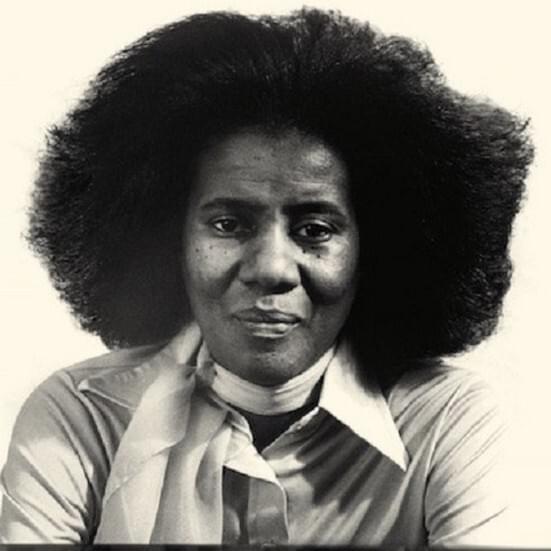
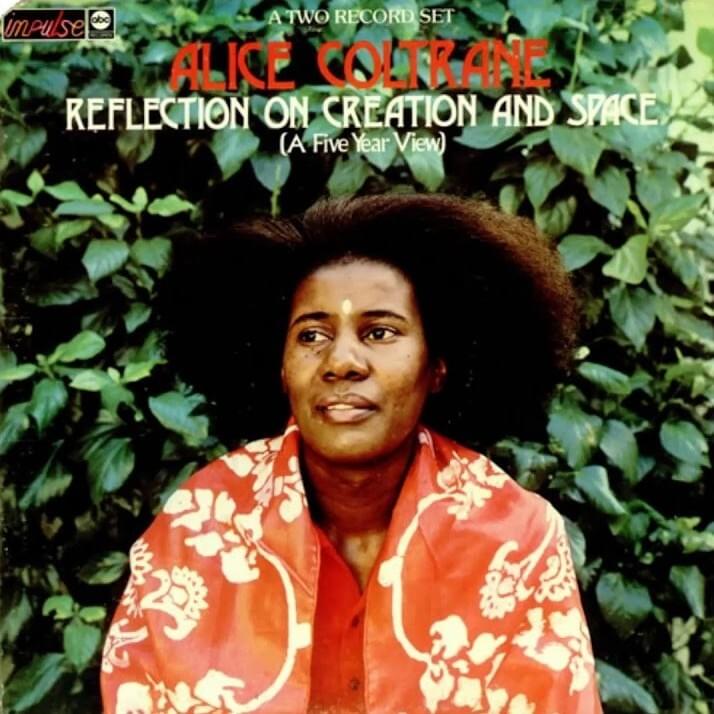
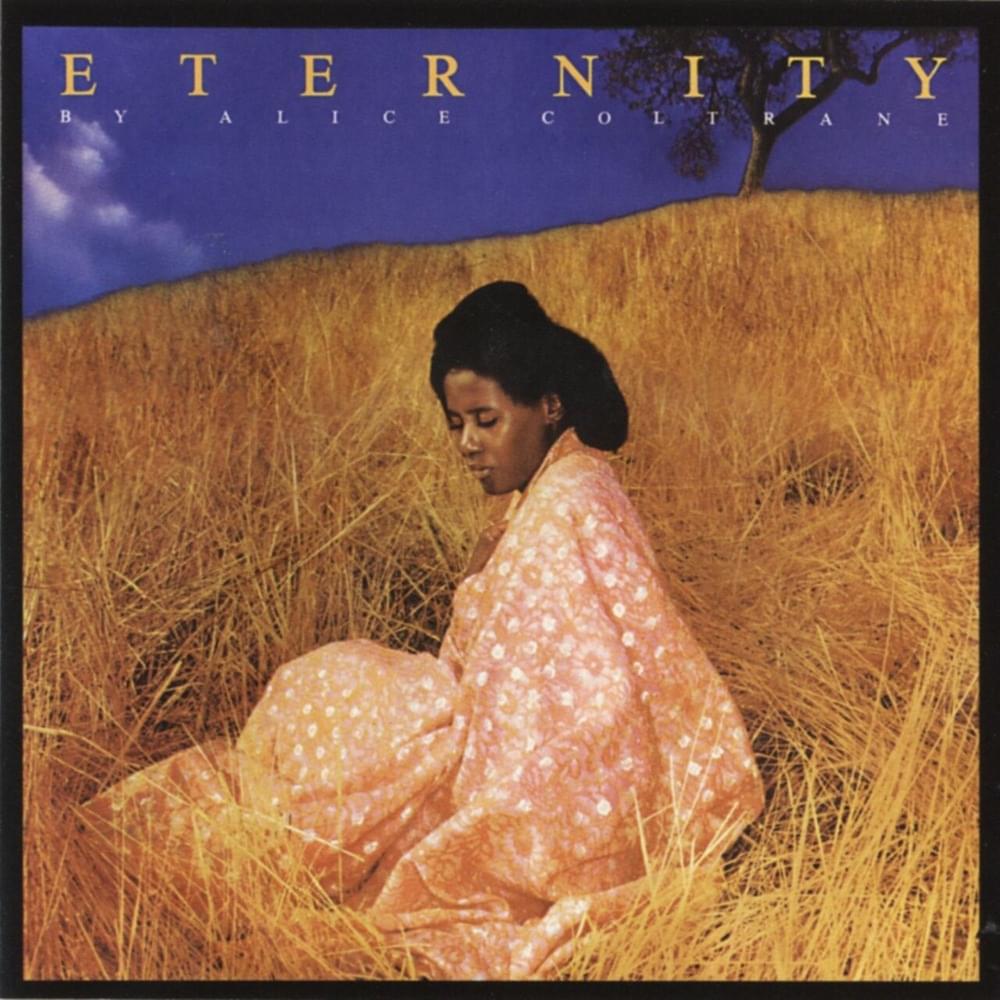
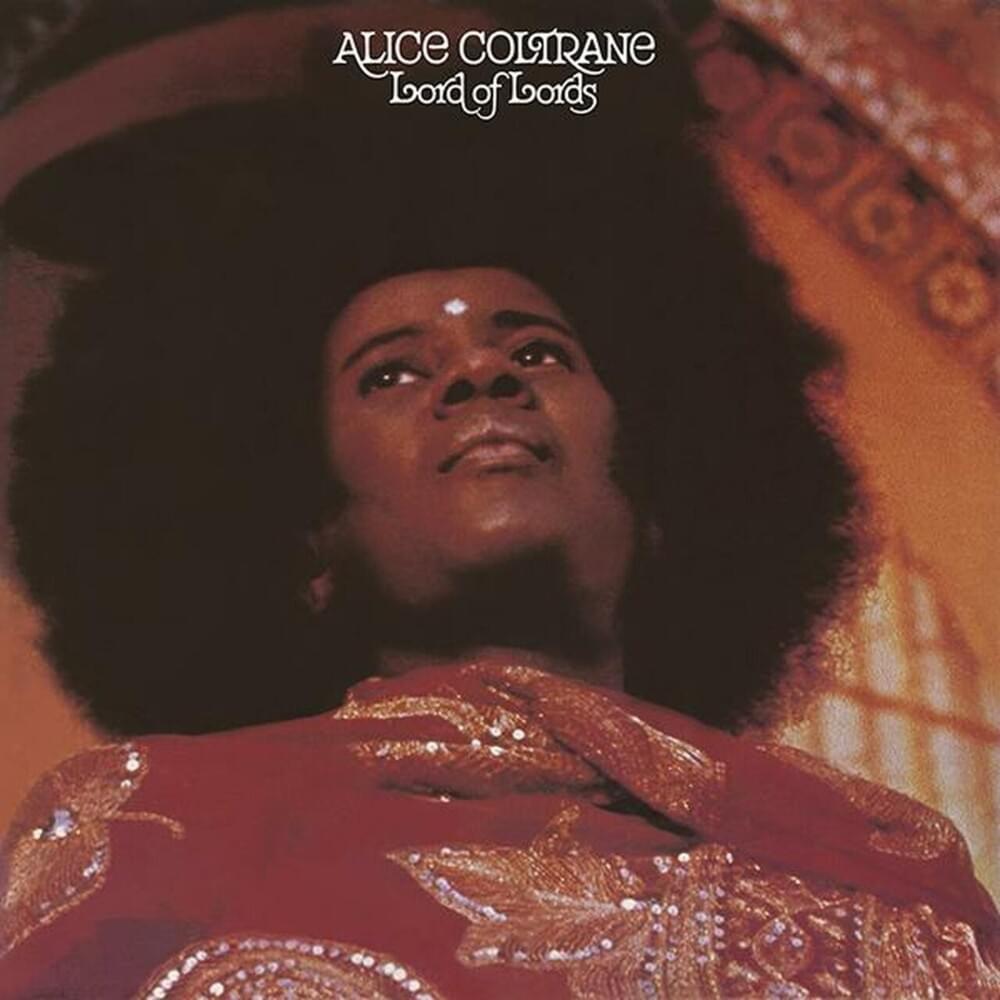
Alice Coltrane wasn't just a jazz musician; she was a sonic explorer. Her work continues to resonate today, influencing artists across genres with its transcendental quality and profound spiritual depth. While she may not be topping the charts in the traditional sense, her music experiences a renaissance, finding new audiences through streaming services and vinyl reissues. This makes her sound just as relevant today.
Coltrane's compositions are frequently sampled in hip-hop and electronic music, proof of her enduring impact. Recent retrospectives and documentaries have further cemented her legacy as a visionary composer and instrumentalist, ensuring that her unique sound continues to captivate and inspire.
Early Life & Background
Born Alice McLeod in Detroit, Michigan, in 1937, music was practically in her DNA. Her mother was a singer, and her half-brother, Ernie Farrow, was a jazz bassist and multi-instrumentalist. This nurturing environment exposed her to the vibrant sounds of Detroit's jazz scene from a young age.
Young Alice initially played piano in church. But it was her exposure to bebop and the music of Charlie Parker that truly ignited her passion for jazz. She studied formally with Bud Powell in Paris, honing her skills and developing her unique improvisational style.
Career Beginnings
Returning to the States, Alice worked as a jazz pianist in Detroit and New York. She played with notable musicians such as Kenny Barron, further refining her craft and building her reputation within the jazz community. But it was her fateful encounter with John Coltrane that would change her life and musical trajectory forever.
Alice joined John Coltrane's band in 1966, initially as a pianist, and quickly became an integral part of his experimental and spiritually driven sound. This partnership wasn't just professional; it blossomed into a deep personal connection. Their collaboration pushed the boundaries of jazz, incorporating elements of Eastern spirituality and avant-garde improvisation.
Major Albums & Discography
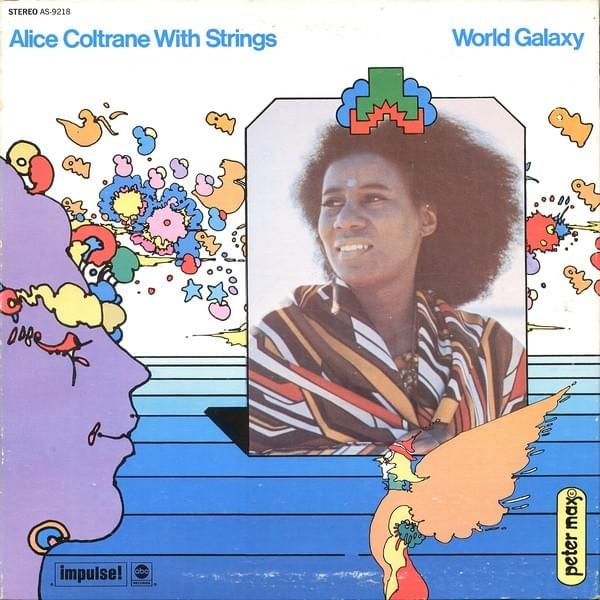
After John Coltrane's death in 1967, Alice embarked on a solo career that further explored her spiritual and musical vision. Her albums became vehicles for expressing her grief, her faith, and her relentless pursuit of higher consciousness through sound. Her discography stands as a testament to her evolving artistry and unwavering commitment to spiritual expression.
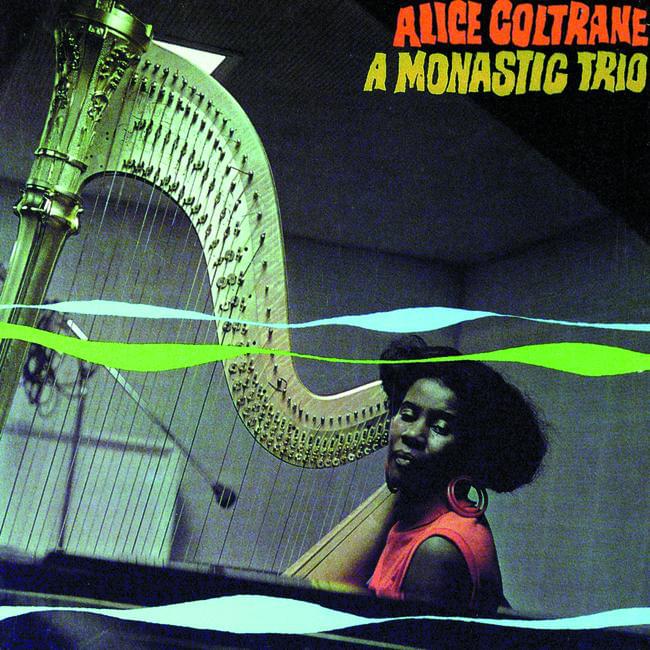
*A Monastic Trio* (1968) marked her debut as a leader, showcasing her distinctive piano playing and compositional style. This album laid the foundation for her future explorations into modal jazz and spiritual themes. It's a beautiful record that shows her ability to create a mood.
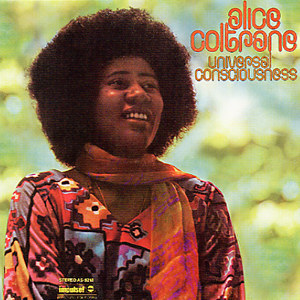
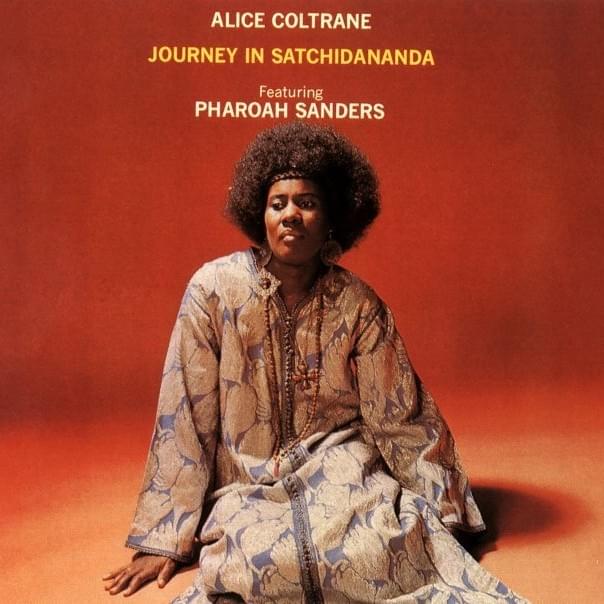
Albums like *Journey in Satchidananda* (1970) and *Universal Consciousness* (1972) are considered cornerstones of spiritual jazz. These records feature her playing harp and organ, instruments that became synonymous with her unique sound. The music blends Eastern musical traditions with Western jazz improvisation, creating a truly transcendent experience. These albums are a must-listen for anyone interested in spiritual jazz.
Hit Songs & Signature Tracks
While Alice Coltrane's work wasn't defined by traditional "hits," certain compositions have become iconic within the jazz world and beyond. These tracks represent the essence of her spiritual and musical vision, showcasing her unique ability to blend improvisation, melody, and devotional expression.
Compositions like "Journey in Satchidananda" from the album of the same name, became her signature. The track uses drone-based sounds and is still a favorite among jazz musicians.
Her music wasn't about conventional pop structures. It was about creating a space for spiritual exploration through sound. Her compositions are more like sonic journeys than traditional songs, inviting listeners to lose themselves in the music and connect with something larger than themselves.
Collaborations & Features
While primarily known for her solo work, Alice Coltrane engaged in notable collaborations that highlighted her versatility and willingness to explore different musical landscapes. These collaborations often reflected her spiritual interests and her desire to bridge cultural divides through music.
Her work with her husband, John Coltrane, remains her most famous collaboration. But she also worked with other jazz musicians, such as Pharoah Sanders, further pushing the boundaries of spiritual jazz. These collaborations demonstrate her commitment to expanding the possibilities of music as a vehicle for spiritual expression.
Awards & Achievements
Alice Coltrane's contributions to music have been recognized through various awards and accolades, solidifying her status as a visionary artist and a pioneer of spiritual jazz. Her work has been celebrated for its originality, its spiritual depth, and its lasting impact on generations of musicians.
Though mainstream awards weren't the focus of her career, her influence is undeniable. Her albums consistently receive high praise from critics. She has posthumously received lifetime achievement awards. Her true achievement lies in the enduring power of her music to inspire and uplift listeners around the world.
Personal Life
Alice Coltrane's personal life was deeply intertwined with her spiritual and musical journey. Her marriage to John Coltrane was a profound partnership, both personally and creatively. After his death, she dedicated her life to exploring spirituality and expressing her faith through music.
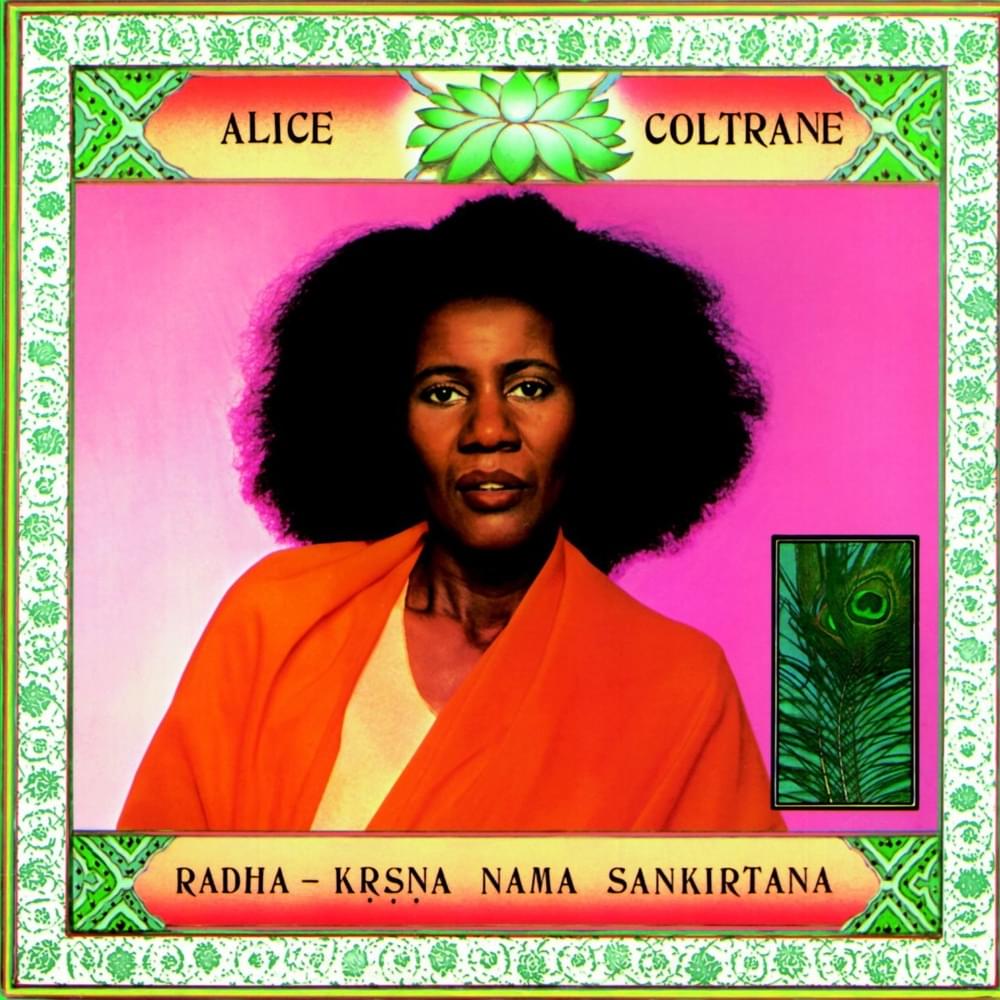
She founded the Vedantic Center in California. There, she practiced and taught Hindu religious beliefs. This spiritual practice deeply influenced her music. It became a central theme in her later work.
Musical Style & Influence
Alice Coltrane's musical style defied easy categorization. While rooted in jazz, her music incorporated elements of Eastern classical music, avant-garde improvisation, and spiritual devotional traditions. Her signature sound was characterized by her use of the harp, the organ, and her unique improvisational style on the piano.
She drew inspiration from various sources. These included Indian classical music, Hindu scripture, and the works of spiritual teachers like Swami Satchidananda. Her music, in turn, has influenced countless artists across genres, from jazz and hip-hop to electronic and experimental music. Her legacy as a visionary composer and spiritual seeker continues to inspire musicians seeking to push the boundaries of sound and explore the deeper dimensions of human experience.
Recent Work & What's Next
While Alice Coltrane passed away in 2007, her music continues to find new audiences and inspire new generations of musicians. Recent reissues of her albums have introduced her work to a wider audience. Documentaries and retrospectives continue to celebrate her life and legacy.
Her influence can be heard in the work of contemporary artists who are pushing the boundaries of genre and exploring the intersections of music, spirituality, and social justice.