Alfred Lord Tennyson: The OG Lyrical Legend Whose Tracks Still Hit Different
Introduction & Current Status
Let's be real: in a world obsessed with fleeting TikTok trends and algorithm-driven hits, it's easy to overlook the OGs who set the lyrical bar. But if you think deep cuts and poetic flow are a modern invention, honey, you need to revisit Alfred Lord Tennyson. This dude was dropping mic-drop verses centuries before your favorite rapper even thought about a rhyme scheme, and his influence? Still resonating, hitting harder than a bass drop at a festival.
Right now, Tennyson's work isn't just dusty old school assignments; it’s a masterclass in emotional storytelling and sonic craftsmanship. Academics still stan his intricate narratives and the way he captured the whole vibe of Victorian England. His tracks, often studied and dissected, continue to inspire artists across genres, proving that true lyrical genius is timeless, not just trending.
His legacy isn't just about critical acclaim; it's about cultural omnipresence. Think about it: how many lines from his "albums" have you heard quoted without even realizing it was Tennyson? He's the literary equivalent of a sample that’s been flipped a million times, subtly shaping the cultural consciousness, making him perpetually relevant even if he's not topping Billboard today.
Early Life & Background
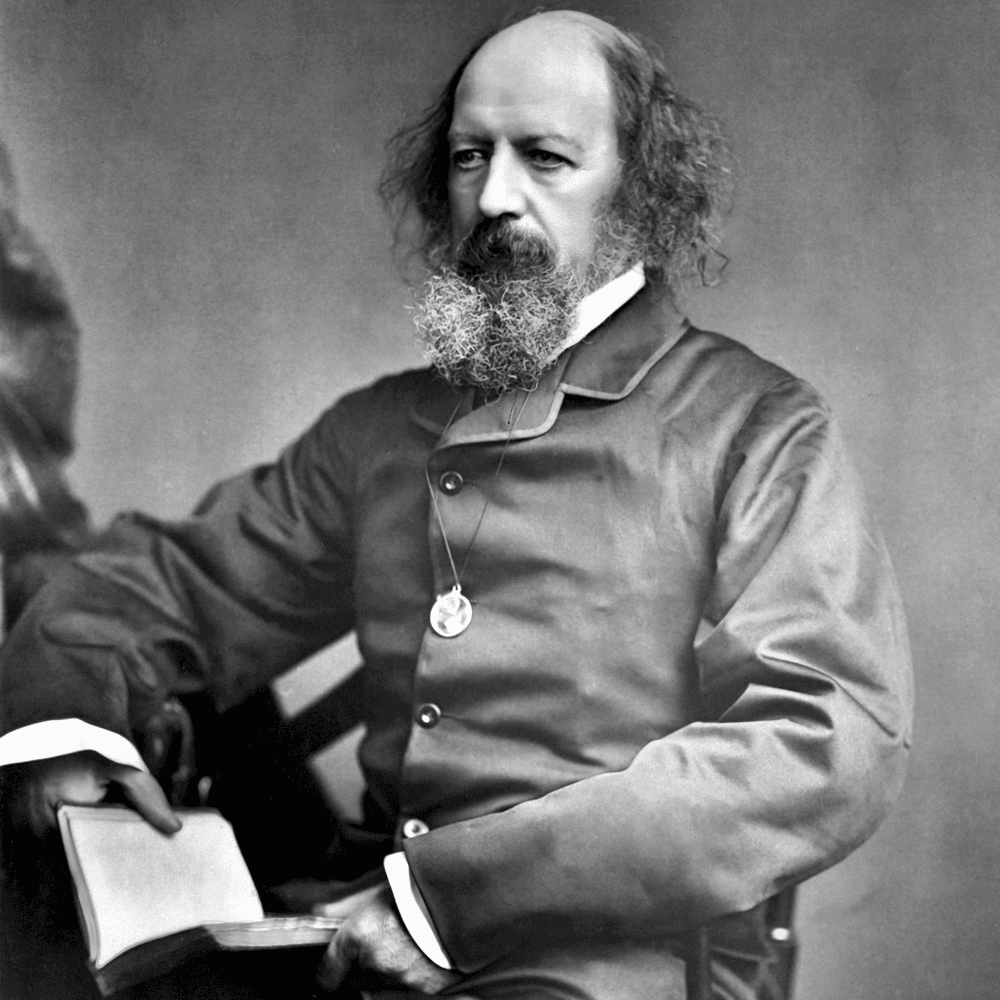
Born in Somersby, Lincolnshire, back in 1809, Alfred Lord Tennyson wasn't exactly handed a silver spoon, but he did come from a family with a serious brain trust. His dad, a rector, was a scholar, which meant young Alfred was immersed in books and classical languages from day one. Picture a kid who preferred dropping rhymes in his head to, well, whatever 19th-century kids did for fun.
His childhood was a bit of a mixed bag – a large family, some financial struggles, and a general air of melancholic brilliance that probably fueled his early poetic output. This wasn't just a phase; it was his main character energy from the jump. He was literally writing poetry by age eight, already flexing those lyrical muscles that would later define his iconic sound.
His early inspirations weren't just the classics; he was soaking up nature's vibe, the dramatic landscapes of his home, and the intense personal relationships that would later become the emotional backbone of his most celebrated "LPs." This formative period was basically his artistic incubator, shaping the unique voice that would eventually dominate the scene.
Career Beginnings
Tennyson started his grind early, hitting the scene at Cambridge University where he quickly linked up with a crew of bright young minds, including Arthur Henry Hallam, a friendship that would become legendary and profoundly influential. This wasn't just college; it was his first networking event, laying the groundwork for his future career.
His debut, Poems, Chiefly Lyrical, dropped in 1830, giving the world a taste of his unique flow and thematic depth. It wasn't an overnight smash, but it definitely put him on the radar of critics and discerning listeners. It was a bold statement, showcasing a vulnerability and musicality that was fresh for its time.
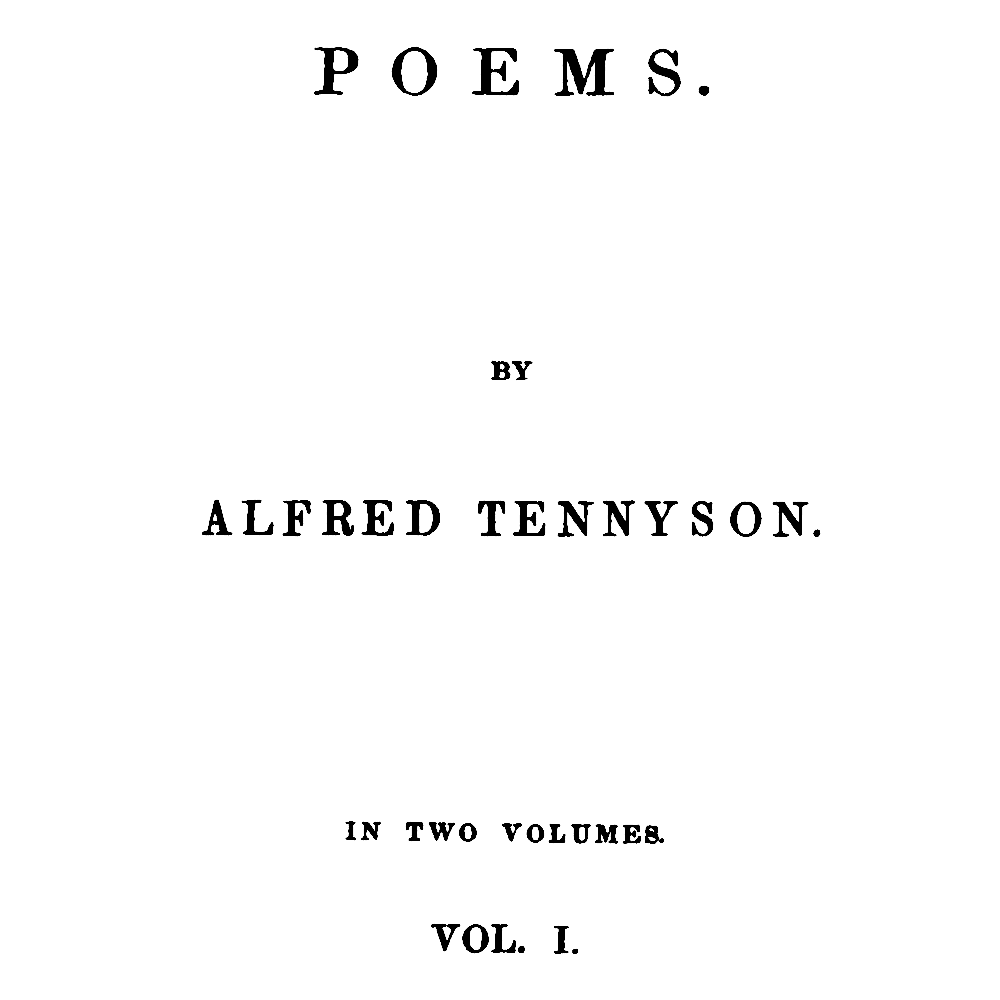
After some early struggles and a period of silence following Hallam's tragic death, Tennyson resurfaced with Poems in 1842, which truly marked his breakthrough. This collection was a game-changer, solidifying his reputation and proving he was more than just a promising talent—he was a force. Key figures like his friend Hallam, and later literary patrons and critics, helped amplify his voice, turning a promising poet into a bona fide star.
Major Albums & Discography
Tennyson's discography is a masterclass in poetic evolution, each "album" building on the last, pushing boundaries and perfecting his signature sound. His early work, like Poems, Chiefly Lyrical, hinted at the lyrical genius to come, showcasing a blend of romanticism and social commentary that felt both classic and cutting-edge.
The 1842 collection, simply titled Poems, was a critical and commercial triumph. It included reimagined earlier works and new bangers that solidified his place in the literary pantheon. This was his breakthrough moment, proving he could drop hits that resonated with a wide audience while maintaining artistic integrity.
Then came the monumental In Memoriam A.H.H. in 1850, a deeply personal yet universally resonant elegy for his late friend, Arthur Henry Hallam. This wasn't just an album; it was a cultural event, exploring grief, faith, and doubt with an intensity that still gives chills. It cemented his status as a lyrical heavyweight and became one of the most influential works of the Victorian era.
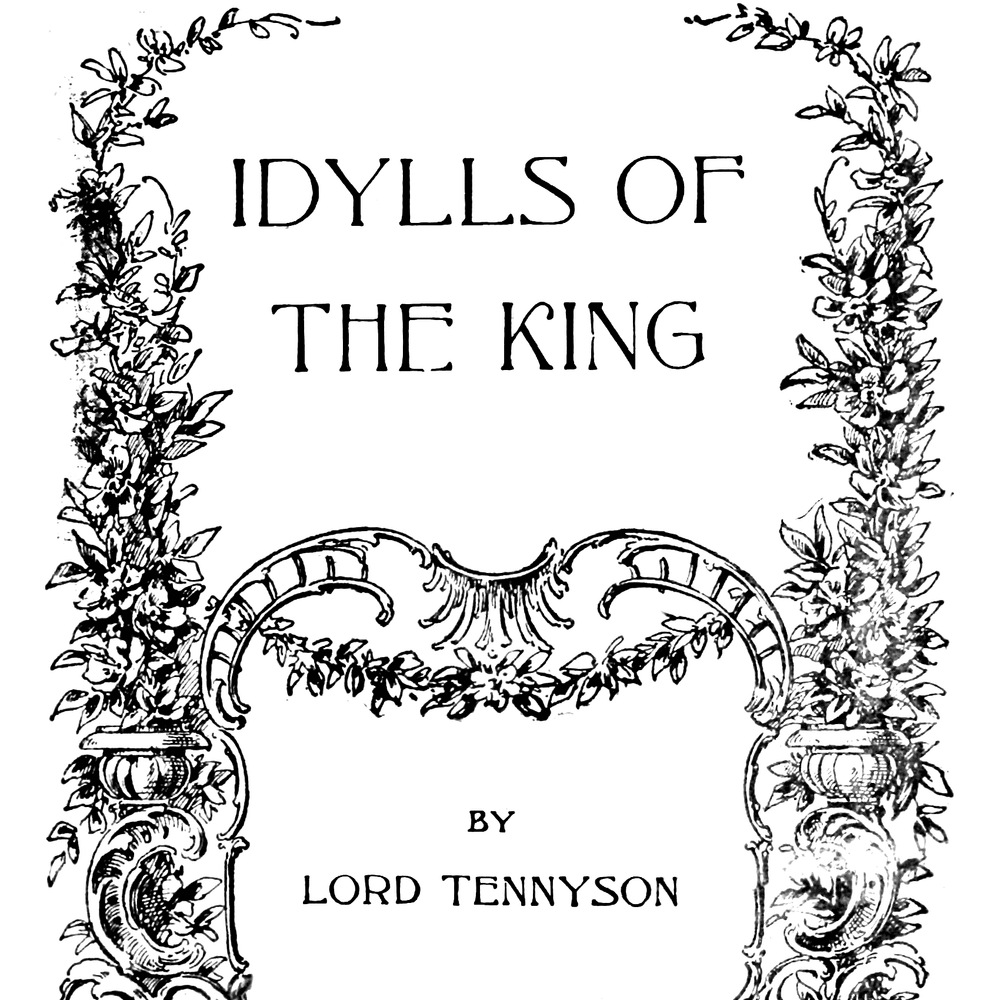
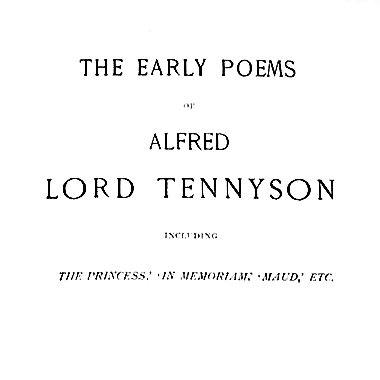
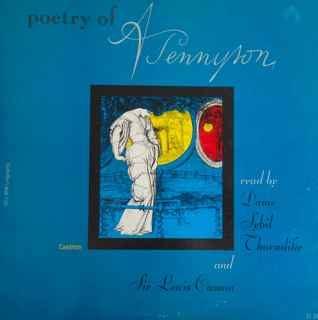
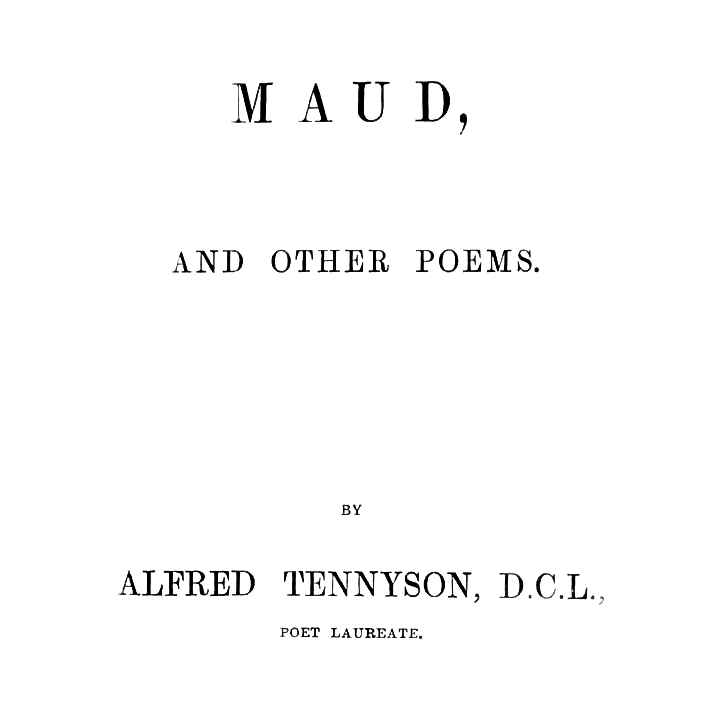
Later that year, he dropped Maud and Other Poems, a collection that featured the intense narrative "Maud." This LP showcased a different side of Tennyson, a more dramatic and psychologically complex sound. And let’s not forget The Idylls of the King, a sprawling narrative cycle that reimagined Arthurian legends, proving he could craft epic sagas with the same finesse he brought to shorter, more intimate tracks. His legacy is continuously revisited, with collections like Poetry of Tennyson and The Early Poems of Alfred Lord Tennyson ensuring new generations can discover his timeless art.
Hit Songs & Signature Tracks
Tennyson had a whole catalog of tracks that went platinum in the hearts and minds of his fans. One of his most iconic bangers is without a doubt The Charge of the Light Brigade. This narrative gem, depicting a harrowing military blunder with vivid imagery and relentless rhythm, instantly became a cultural touchstone, showcasing his ability to turn real-life events into gripping, unforgettable art.
Then there's the haunting The Kraken, a deep cut that still gives main character energy with its mysterious, gothic vibe. It’s a testament to his versatility, proving he could master everything from epic battle scenes to mythical deep-sea horrors. This track cemented his status as a storyteller who could transport listeners to other realms.
His work also explored profound existential themes, as seen in the multi-part lyrical journey that is Maud; A Monodrama. This ambitious piece is like a concept album, diving deep into the psychology of its protagonist. And who could forget the serene beauty of The Brook, a track that perfectly captures the gentle flow of nature with a lyrical grace that’s just *chef's kiss*?
He also dropped powerful tracks like Ode on the Death of the Duke of Wellington, a majestic tribute that proved his command of ceremonial verse. And for those who love his more introspective side, the numbered sections from his monumental "In Memoriam A.H.H." are essential listening: I, II, III, IV, and V each offer a glimpse into his soul-searching lyrical prowess, making them signature tracks for anyone diving deep into his discography.
Collaborations & Features
While Tennyson wasn't exactly hopping on features with other artists in the way we understand it today, his career was absolutely studded with intellectual "collaborations" and mutual influences that shaped his sound. His early association with the "Apostles" at Cambridge, particularly Arthur Henry Hallam, was a formative creative exchange, fueling his ambition and refining his craft.
His work itself became a fertile ground for "features" by other artists, inspiring countless composers to set his lyrics to music, effectively creating early cross-genre remixes. From classical compositions to folk adaptations, Tennyson’s words found new life and new audiences, proving their adaptability and universal appeal.
Moreover, his deep engagement with classical literature and mythology wasn't just inspiration; it was a conversation across centuries. He wasn't merely quoting the OGs; he was sampling their essence, reimagining ancient narratives for a contemporary audience, making them feel fresh and relevant, much like a modern artist flips a classic beat.
Awards & Achievements
Tennyson didn't just rack up critical praise; he collected some seriously impressive accolades that solidified his status as a lyrical GOAT. The biggest flex? Being appointed Poet Laureate in 1850, succeeding the legendary William Wordsworth. This wasn't just a title; it was essentially being crowned the official bard of the nation, a role he held for over 40 years, serving as the cultural voice of an entire era.
His commercial success was also pretty lit for a poet. His "albums" consistently sold well, making him one of the wealthiest and most popular writers of his time. He was basically the pop star of the Victorian literary scene, with fans eagerly awaiting his next drop.
Beyond that, he was granted a peerage in 1884, becoming Baron Tennyson. This was a rare honor for a writer, recognizing his profound cultural impact and influence on British society. While there weren't Grammys back then, getting a title from the Queen is pretty much the ultimate lifetime achievement award, cementing his place in history not just as an artist, but as a national treasure.
Personal Life
Tennyson's public persona was often one of a reclusive, brooding genius, but his personal life, when it intersected with the public eye, revealed a man deeply committed to his craft and his family. He eventually married Emily Sellwood, a long-term love interest, and their union provided a stable, supportive environment for his creative endeavors.
He wasn't one for the spotlight or constant social media updates, preferring the quiet contemplation that fueled his deep, introspective work. However, he did use his platform to subtly advocate for social causes through his poetry, subtly weaving in themes of justice and compassion, proving that artists can indeed be activists, even without trending hashtags.
His business ventures primarily revolved around managing his literary estate and ensuring the continued publication of his works. He understood the long game, carefully cultivating his legacy so his "tracks" could continue to hit generations after he was gone.
Musical Style & Influence
Tennyson's "musical" style is undeniably iconic: a rich, sonorous quality often dubbed "Tennysonian melody." He was a master of rhythm and meter, making his lines flow with an almost hypnotic musicality, even without a beat. His lyrical flow was impeccable, capable of crafting intricate soundscapes with just words.
He drew heavily from classical Greek and Roman traditions, but he wasn't just recreating ancient sounds; he was sampling them, remixing them with a distinctly Victorian sensibility. You can hear echoes of Homer and Virgil in his epic narratives, blended with a raw, emotional honesty that was entirely his own. This blend created a vibe that was both timeless and utterly fresh.
His influence is undeniable, affecting generations of writers, musicians, and artists. His ability to evoke mood, create vivid imagery, and explore complex human emotions through language became a blueprint for others. He low-key invented a whole new way of storytelling through verse, solidifying a legacy that continues to inspire anyone trying to craft lyrics that resonate deep within the soul, proving that his sonic characteristics are still defining what makes a track truly epic.
Recent Work & What's Next
For an artist who passed in 1892, Tennyson's "recent work" isn't about new drops, but about the enduring, evolving conversation surrounding his existing catalog. His "albums" are constantly being re-evaluated, re-interpreted, and introduced to new audiences through academic study, theatrical adaptations, and even modern musical interpretations.
His impact continues to expand, with his works appearing in film soundtracks, inspiring visual art, and influencing contemporary literary movements. He’s the kind of legend whose influence just keeps on giving, proving that true artistry transcends time and medium.
What's next for Tennyson? His continued reign as a foundational figure in English literature, shaping curricula and cultural discourse. His "tours" are essentially endless, playing out in classrooms and quiet reading nooks worldwide, ensuring his lyrical masterpieces continue to hit different for generations to come.