Introduction & Current Status
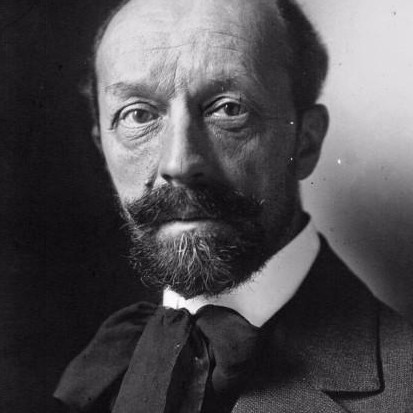
Though not exactly dominating TikTok playlists, Albert Roussel's influence quietly ripples through modern composition. He's the composer your favorite film score probably ripped off. Think Debussy with a dash of sea shanty. Right now, there's a resurgence of interest in his unique blend of Impressionism and neoclassical grit, making him low-key relevant for anyone seeking a deeper dive into 20th-century soundscapes.
Roussel's music offers a sophisticated palate cleanser for those tired of the usual pop suspects. His work, marked by complex harmonies and rhythmic drive, provides a fascinating counterpoint to the predictable structures dominating today's charts. Dive in, and you might just find your new favorite deep cut.
Early Life & Background
Born in Tourcoing, France, in 1869, Albert Roussel initially pursued a career in the French Navy. Imagine a world where he kept sailing! But thankfully, the lure of music proved too strong. His travels as a midshipman exposed him to diverse cultures and exotic locales, experiences that profoundly shaped his later compositions.
He eventually traded his naval uniform for a conductor's baton, studying with Vincent d'Indy at the Schola Cantorum in Paris. This formal training grounded his natural talent, providing the technical foundation upon which he would build his distinctive style. It's safe to say the high seas' loss was classical music's gain.
Roussel's early life was steeped in both maritime adventure and academic rigor. This unique combination forged a composer who wasn't afraid to blend the structured with the unexpected. You could say his music is like a well-charted voyage into uncharted waters.
Career Beginnings
Roussel's early compositions reflected the influence of his teacher, d'Indy, and the prevailing Impressionistic style. However, he soon began to forge his own path, incorporating elements of jazz and exploring more dissonant harmonies. It was this willingness to experiment that set him apart from his contemporaries.
His first major breakthrough came with works like the Quatre poèmes, Op. 3, showcasing his burgeoning talent for vocal composition. He also became a respected teacher himself, mentoring young composers and helping to shape the next generation of musical innovators.
Like many artists, Roussel faced his share of early struggles, navigating the competitive Parisian music scene. But his dedication and unique vision eventually won him recognition, paving the way for a prolific and influential career.
Major Albums & Discography
Roussel's discography showcases a fascinating evolution. The album Joueurs de flûte, Op. 27 is a cornerstone of his chamber works, demonstrating his mastery of instrumental color and texture. It's the kind of album that rewards repeated listens, revealing new nuances with each pass.
Later works like Deux poèmes de Ronsard, Op. 26 highlight his skill in setting French poetry to music. These pieces are both elegant and emotionally resonant, capturing the spirit of the texts with remarkable sensitivity. It's giving main character energy.
His orchestral works, including symphonies and ballets, further cemented his reputation as a major force in 20th-century music. Each album represents a distinct stage in his artistic development, reflecting his constant exploration of new sounds and ideas.
Don't sleep on Quatre poèmes, Op. 8 either. It's a whole vibe.
Hit Songs & Signature Tracks
While Roussel wasn't exactly chasing Billboard chart glory, his compositions have become staples of the classical repertoire. Pieces like Le départ and Vœu are celebrated for their lyrical beauty and emotional depth. They are the kind of songs that stick with you long after the final note fades.
Le jardin mouillé is another standout, showcasing Roussel's ability to evoke vivid imagery through music. It's a sonic painting that captures the essence of a rain-soaked garden, complete with glistening leaves and earthy aromas. You can almost smell the petrichor.
Madrigal lyrique and Pan are also essential listening, demonstrating Roussel's versatility and his ability to blend different styles and influences. And who could forget Tityre? Absolute fire.
His settings of Chinese poetry, such as in Krishna, offer a glimpse into his fascination with non-Western musical traditions. Roussel wasn't afraid to incorporate diverse influences into his work, making him a true musical explorer. Also, check out Monsieur de la Péjaudie and Adieux. They slap.
Finally, give Invocation a listen. Trust.
Collaborations & Features
While Roussel primarily focused on his own compositions, he did collaborate with other artists on various projects. These collaborations often involved ballets and theatrical productions, where he worked closely with choreographers and stage designers. It's rumored he was a dream to work with.
His ballet scores, in particular, showcase his ability to create music that is both dramatically compelling and visually evocative. These collaborations allowed him to explore new creative avenues and push the boundaries of his own artistic expression. He truly understood the assignment.
Awards & Achievements
Roussel's contributions to music were recognized throughout his career. He received numerous awards and honors, including membership in the Académie des Beaux-Arts. His works were performed by leading orchestras and conductors around the world, solidifying his place as a major figure in 20th-century classical music.
Though he may not have racked up Grammy nominations, his influence on subsequent generations of composers is undeniable. His music continues to be celebrated for its originality, its craftsmanship, and its enduring power. He's the composer's composer, if you will.
Personal Life
Roussel was known for his quiet demeanor and his dedication to his craft. He lived a relatively private life, preferring to let his music speak for itself. He was deeply committed to his students, and his influence as a teacher extended far beyond the classroom.
Outside of music, he enjoyed sailing and had a keen interest in Asian cultures. These passions found their way into his compositions, adding depth and richness to his artistic vision. He was a man of many interests, all of which contributed to his unique creative voice.
Musical Style & Influence
Roussel's musical style is characterized by its blend of Impressionism, neoclassicism, and a distinctly personal harmonic language. He drew inspiration from diverse sources, including jazz, Asian music, and the natural world. His music is often described as being both sophisticated and accessible, appealing to both seasoned concertgoers and newcomers alike.
He, in turn, influenced countless composers who followed, particularly in film scoring. You can hear echoes of his style in everything from golden-age Hollywood to modern indie flicks. His legacy as a musical innovator is secure.
His album Deux poèmes chinois, Op. 12 is a perfect example of his unique style. Don't forget Deux mélodies, Op. 19 and Odes Anacreontiques, Op. 32 too!
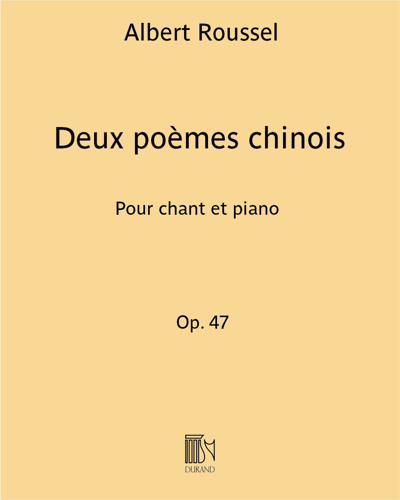
And definitely Deux poèmes chinois, Op. 47
Recent Work & What's Next
While Albert Roussel passed away in 1937, his music continues to be performed and recorded around the world. There's a growing appreciation for his unique voice and his contributions to 20th-century music. Expect to see more Roussel on concert programs and streaming playlists in the years to come. His music remains timeless and relevant, a testament to his enduring genius.
With renewed interest in composers pushing boundaries, Roussel is poised for a posthumous comeback. Keep an ear out for his distinctive sound – you might be surprised by how much you dig it.