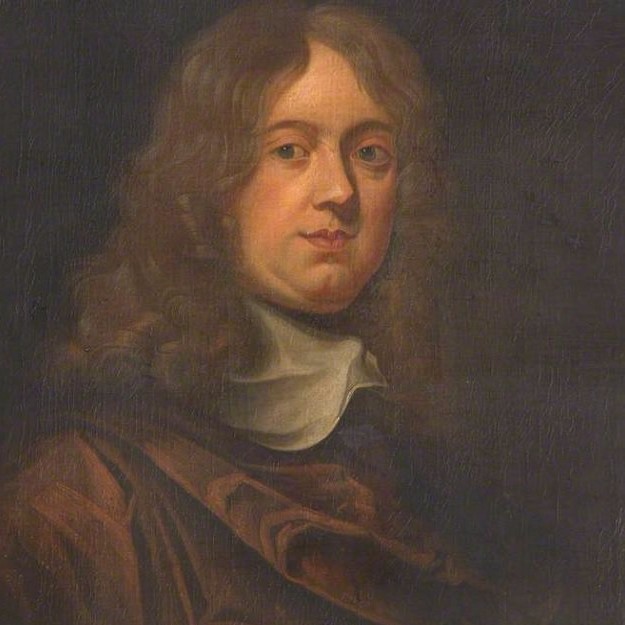
Abraham Cowley
1 Listeners
Artist Bio
Introduction & Current Status
Abraham Cowley, a name that might not immediately set TikTok ablaze, was essentially the 17th-century version of a pop sensation. While he's not dropping surprise albums today, his impact on English literature and the sheer celebrity he enjoyed in his era make him perpetually relevant. Think of him as the Harry Styles of the Restoration – minus the screaming fans and plus a whole lot of iambic pentameter.
Cowley's influence lingers in the DNA of English poetry. His innovative use of language and his exploration of personal themes resonated deeply with his contemporaries and continue to inspire writers today. Though his verses might not be topping the charts, they’re definitely studied in classrooms and whispered among literature aficionados worldwide.
He's the ultimate deep cut for anyone who claims to know their literary history. Cowley remains a fascinating figure, bridging the gap between classical learning and the burgeoning modern sensibility of his time. So, while you might not find him trending, he's always there, waiting to be rediscovered and appreciated anew.
Early Life & Background
Born in London in 1618, Abraham Cowley was a posthumous child – his father, a wealthy stationer, having passed away before his birth. Raised by his mother, he displayed an early and prodigious talent for poetry. Imagine being that kid in class who could effortlessly churn out sonnets while everyone else struggled with basic grammar.
His access to his father's library fueled his literary ambitions. He devoured everything from classical texts to contemporary plays, developing a sophisticated understanding of language and meter. This early exposure shaped his worldview and laid the foundation for his future career as a leading poet and essayist.
Educated at Westminster School, Cowley excelled in his studies, quickly gaining a reputation for his wit and eloquence. His time at Westminster was crucial, exposing him to a network of influential figures who would later support his literary endeavors. Even as a youngster, he was already crafting the image of a poetic wunderkind.
Career Beginnings
Cowley's literary career kicked off while he was still a student. His first collection of poems, *Poetical Blossoms*, was published when he was just fifteen. Talk about starting young! This early success brought him immediate attention and established him as a rising star in the literary scene. It was basically the 17th-century equivalent of going viral.
He continued to write and publish throughout his time at Cambridge University, further solidifying his reputation as a talented and innovative poet. His work caught the eye of prominent literary figures and patrons, who provided him with valuable support and opportunities.
One key moment was his involvement in the English Civil War. A staunch Royalist, Cowley used his writing to support the cause of King Charles I. This political engagement added another layer to his public persona, transforming him from a mere poet into a politically active intellectual. His early work showed flashes of the brilliance that would come to define his later career.
Major Albums & Discography
While we can't exactly stream Cowley’s discography on Spotify, his major works functioned as the “albums” of his time. *Davideis*, an epic poem on the life of King David, was one of his most ambitious projects. Though unfinished, it showcased his mastery of classical forms and his deep engagement with religious themes. Think of it as his experimental concept album – impressive but not quite fully realized.
His collection of *Poems* (1656) represents a high point in his career, showcasing his versatility and range. This collection included love poems, elegies, and philosophical reflections, demonstrating his ability to navigate different genres and styles. It’s essentially his greatest hits compilation, featuring all his fan favorites.
Cowley's essays, collected in *Essays in Prose and Verse*, are also considered a significant contribution to English literature. These essays reveal his wit, intelligence, and his keen observations about human nature. They're the equivalent of bonus tracks, offering a glimpse into the mind of a literary genius. Although there are no available albums to link, consider these collections his definitive musical statements.
Hit Songs & Signature Tracks
Okay, so Cowley didn't exactly have "hit songs" in the modern sense, but certain poems achieved widespread popularity and cemented his reputation. His love poems, known for their wit and elegance, were widely circulated and admired. These were basically the power ballads of the 17th century, capturing the hearts of readers and solidifying his status as a literary heartthrob.
His Pindaric odes, inspired by the ancient Greek poet Pindar, were also highly influential. These odes showcased his mastery of language and his ability to create complex and evocative imagery. They were the experimental tracks that pushed the boundaries of poetic form.
Poems like "The Mistress" and "Anacreontiques" were particularly successful, demonstrating his ability to blend classical influences with contemporary sensibilities. These works established Cowley as a leading voice in English poetry and ensured his lasting legacy. While there are no specific song links to provide, these titles represent his most celebrated verses.
Collaborations & Features
In the literary world of the 17th century, "collaborations" looked a little different. Cowley engaged in intellectual exchanges with other prominent writers and thinkers of his time. He was part of a vibrant literary community, constantly exchanging ideas and influencing one another's work. Think of it as a supergroup of intellectual heavyweights.
He corresponded with figures like John Evelyn and Thomas Sprat, discussing literary and scientific topics. These exchanges helped to shape his own thinking and contributed to the intellectual ferment of the period. It was all about that cross-pollination of ideas.
While he might not have dropped a remix with another poet, his influence on subsequent generations of writers is undeniable. His work inspired countless poets and essayists, solidifying his place in the literary canon. He was the OG influencer of his day.
Awards & Achievements
While Cowley didn't win a Grammy (obviously), his achievements were recognized in his own time. He was widely celebrated as one of the leading poets of his generation, receiving praise from critics and readers alike. His work was considered groundbreaking and innovative, pushing the boundaries of English poetry.
He held positions of influence, serving as a secretary to Queen Henrietta Maria during her exile in France. This role gave him access to the highest levels of power and influence, solidifying his status as a prominent public figure.
His election to the Royal Society in 1663 was another significant achievement, recognizing his contributions to science and intellectual life. This honor placed him among the leading thinkers of his day, further cementing his legacy. He was basically the literary equivalent of winning a Nobel Prize.
Personal Life
Cowley's personal life, while not as heavily scrutinized as today's celebrities, was still a subject of public interest. He never married and seemed to dedicate his life primarily to his literary pursuits. He was all about that single life, focusing on his craft and his intellectual passions.
He eventually retired to a rural estate in Chertsey, where he devoted himself to writing and gardening. This retreat allowed him to escape the pressures of public life and focus on his creative work. It was his version of going off the grid and finding inner peace.
Cowley's legacy extends beyond his literary achievements. He embodied the ideals of the Renaissance man, excelling in both arts and sciences. His life serves as an example of intellectual curiosity and dedication to one's craft. He was a true original, forging his own path and leaving an indelible mark on English literature.
Musical Style & Influence
Cowley's "musical style," if we can stretch the metaphor, was characterized by his wit, elegance, and intellectual depth. His poems often explored complex philosophical and emotional themes, using language in innovative and surprising ways. He was the master of the lyrical twist.
He drew inspiration from classical poets like Virgil and Horace, as well as contemporary writers like John Donne. His work blended classical influences with modern sensibilities, creating a unique and distinctive voice. He was the ultimate genre-bender of his time.
Cowley's influence can be seen in the work of later poets like John Dryden and Alexander Pope. His innovative use of language and his exploration of personal themes helped to shape the development of English poetry. He's the reason your English teacher has a job.
Recent Work & What's Next
Okay, so Cowley isn't exactly dropping new tracks, but his work continues to be studied, analyzed, and reinterpreted by scholars and readers today. His poems and essays remain relevant, offering insights into human nature and the complexities of the human condition.
His legacy lives on in the countless writers who have been inspired by his work. From his innovative use of language to his exploration of personal themes, Cowley's influence can still be felt in contemporary literature. He's the gift that keeps on giving.
While a reunion tour is unlikely, Cowley's contributions to English literature ensure that he will never be forgotten. He remains a vital and important voice, reminding us of the power of language and the enduring relevance of the past.
Popular Albums
Popular Songs
| Track Number | Song | Release Date | Album |
|---|---|---|---|
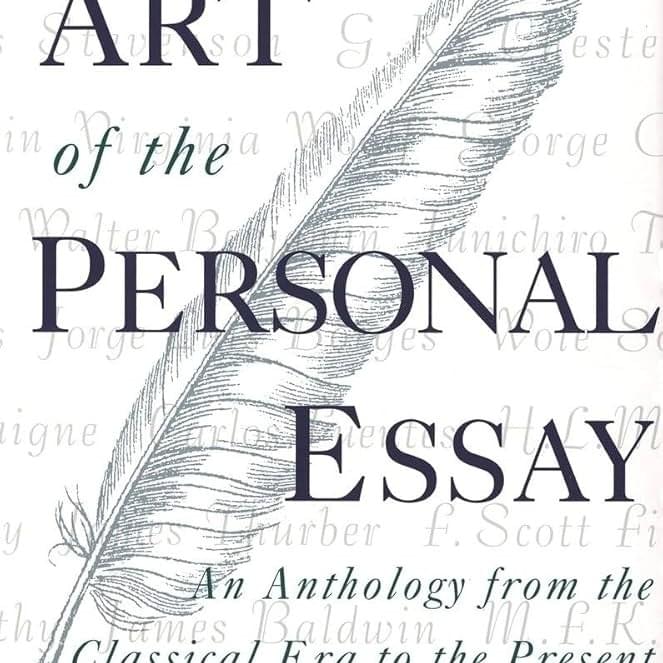
| 01 | Of Greatness | N/A | Art of the Personal Essay |
Reviews
Comments
Questions & Answers
Music Awards
0 Total
No Music Awards Found