Advertisement
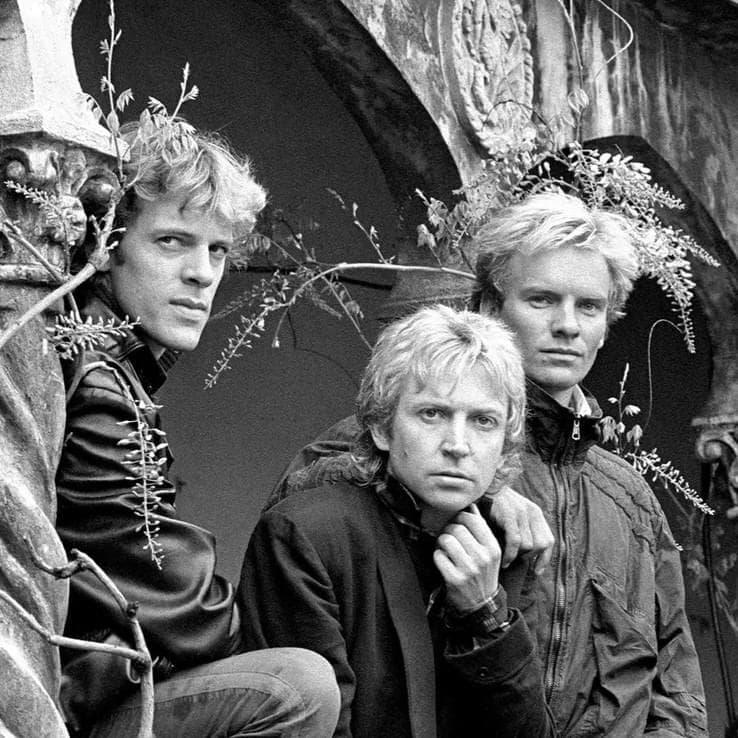
The Police
Artist Bio
The Police: Still Roxannin' After All These Years
The Police. Just the name conjures up images of new wave cool, Sting's bleach-blond hair, and a sound that was somehow both reggae-infused and punk-adjacent. Decades after their split, The Police remain one of those bands that everyone knows, whether they realize it or not. Their hits are timeless radio staples, their influence echoes in countless modern artists, and their internal drama is still the stuff of rock legend. Basically, they're low-key iconic.
From their groundbreaking blend of genres to their undeniably catchy hooks, The Police left an indelible mark on the musical landscape. They're the band that proved you could be both commercially successful and artistically credible, paving the way for future generations of genre-bending musicians. Let's dive into the story of how this trio of unlikely rockstars conquered the world, one reggae-tinged riff at a time.
## Introduction & Current Status
While The Police officially disbanded in the mid-80s, their music continues to resonate. Their albums consistently rank on "best of" lists, and their hits still dominate airwaves and streaming playlists. There's a reason why your mom and your Gen Z cousin both know the words to "Roxanne."
The band's individual members have also remained active. Sting, of course, has enjoyed a massively successful solo career. Andy Summers and Stewart Copeland have pursued various musical projects, from film scores to orchestral compositions. Though a full-fledged reunion seems unlikely, the legacy of The Police lives on through their enduring music and influence.
Their impact isn't just nostalgic; it's actively shaping contemporary music. Artists across genres cite The Police as an inspiration, proving that their innovative blend of reggae, punk, and pop continues to resonate with new generations of musicians and fans.
## Early Life & Background
Gordon Matthew Thomas Sumner, better known as Sting, was born in Wallsend, England. He got his nickname from a black and yellow striped sweater that made him look, well, like a bee. Before fronting The Police, he worked as a teacher and played in local jazz bands. Talk about a plot twist.
Andy Summers, the band's guitarist, had a more seasoned musical background. Born in Poulton-le-Fylde, Lancashire, England, he'd already played with several notable British bands in the '60s, including Zoot Money's Big Roll Band and The Animals. He brought a wealth of experience and a sophisticated musical sensibility to the group.
Stewart Copeland, the American-born drummer, added a different dimension to the mix. Born in Alexandria, Virginia, he'd spent much of his childhood in the Middle East. His diverse background and unique rhythmic style were crucial to The Police's distinctive sound. His brother Miles Copeland was also instrumental in managing the band early on.
## Career Beginnings
The Police officially formed in London in 1977 during the punk rock explosion. Sting, fresh from the jazz scene, teamed up with Stewart Copeland and guitarist Henry Padovani. Padovani was later replaced by Andy Summers, solidifying the iconic trio.
Early gigs were in small clubs and pubs, honing their sound and building a local following. Their early material leaned more heavily on punk influences, but they quickly began incorporating reggae and other styles, creating their signature sound. It was a vibe.
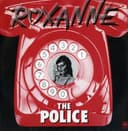
Their breakthrough came with the release of their debut album, *Outlandos d'Amour*, in 1978. The album, recorded on a shoestring budget, featured the hit single "Roxanne," which initially failed to chart but later became a global smash. Sometimes it takes the world a minute to catch up.
## Major Albums & Discography
*Outlandos d'Amour* (1978) was their opening statement, a raw and energetic blend of punk, reggae, and pop. It wasn't polished, but it was packed with catchy hooks and undeniable energy. "Roxanne" put them on the map, but tracks like "So Lonely" and "Can't Stand Losing You" showed their range.
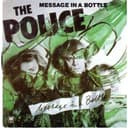
*Reggatta de Blanc* (1979) cemented their status as rising stars. The album spawned two massive hits: "Message in a Bottle" and "Walking on the Moon." The album showcased their growing confidence and experimentation, pushing the boundaries of their sound.
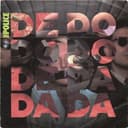
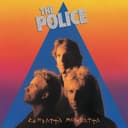
*Zenyatta Mondatta* (1980) saw them reach new heights of commercial success. "Don't Stand So Close to Me" and "De Do Do Do, De Da Da Da" became international anthems. The album also demonstrated their increasing sophistication as songwriters and musicians.
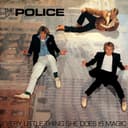
*Ghost in the Machine* (1981) marked a departure with its use of synthesizers and layered arrangements. "Every Little Thing She Does Is Magic" was a massive hit, showcasing their ability to evolve while maintaining their signature sound. This album felt like a conscious effort to push boundaries.
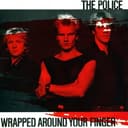
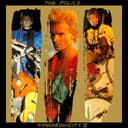
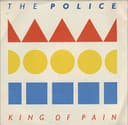
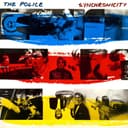
*Synchronicity* (1983) was their magnum opus, a critically acclaimed and commercially dominant album that topped charts worldwide. "Every Breath You Take" became their signature song, but the album was filled with gems like "King of Pain" and "Wrapped Around Your Finger." This was The Police at their creative and commercial peak.
## Hit Songs & Signature Tracks
"Roxanne" is arguably their most iconic song, a tale of forbidden love set against a reggae-infused backdrop. Its initial slow burn to success only adds to its legendary status. The song's raw energy and Sting's impassioned vocals made it an instant classic.
"Message in a Bottle" is another signature track, a catchy and introspective song about loneliness and connection. The song's driving rhythm and memorable chorus made it a global hit. It's the kind of song that gets stuck in your head for days.
"Every Breath You Take" is their most commercially successful song, a haunting and deceptively simple ballad that topped charts worldwide. Despite its romantic sound, the song is actually about jealousy and control. It's a bop, but with a dark side.
"Every Little Thing She Does Is Magic" is a more upbeat and playful track, showcasing their ability to blend genres seamlessly. The song's infectious melody and catchy lyrics made it a fan favorite. It's pure pop perfection with a Police twist.
## Collaborations & Features
While The Police were primarily a self-contained unit, the individual members have collaborated with numerous artists throughout their careers. Sting has worked with everyone from Eric Clapton to Mary J. Blige. Andy Summers has collaborated with Robert Fripp and John Etheridge. Stewart Copeland has worked on film scores with various artists.
Sting's solo work often features collaborations with jazz and world music artists, showcasing his diverse musical interests. These collaborations have allowed him to explore different sounds and push his creative boundaries.
The Police's influence can be heard in the work of countless artists across genres, from new wave and post-punk to alternative rock and pop. Their unique blend of styles and their innovative approach to songwriting have inspired generations of musicians.
## Awards & Achievements
The Police won six Grammy Awards, including Best Rock Performance by a Duo or Group with Vocal for "Don't Stand So Close to Me" and Song of the Year for "Every Breath You Take." These awards recognized their musical excellence and commercial success.
They also received numerous Brit Awards, including Best British Group. Their impact on British music was undeniable.
The Police were inducted into the Rock and Roll Hall of Fame in 2003, cementing their legacy as one of the most important and influential bands of all time. This was a well-deserved honor for a band that changed the sound of popular music.
## Personal Life
Sting's personal life has been a subject of public interest, particularly his marriage to Trudie Styler and his advocacy for environmental causes. He's known for his commitment to yoga and meditation, which he credits with helping him maintain his physical and mental well-being.
Andy Summers has pursued a successful career as a photographer, showcasing his artistic talents beyond music. His photographs have been exhibited in galleries around the world.
Stewart Copeland has composed music for numerous films and television shows, demonstrating his versatility as a musician. He's also known for his outspoken personality and his willingness to challenge the status quo.
## Musical Style & Influence
The Police's musical style is a unique blend of reggae, punk, and pop, creating a sound that was both innovative and commercially appealing. Their use of syncopated rhythms, catchy melodies, and sophisticated harmonies set them apart from their contemporaries.
They were influenced by artists like Bob Marley, The Clash, and The Beatles. These influences helped shape their distinctive sound and their willingness to experiment with different genres.
The Police have influenced countless artists across genres, from U2 and R.E.M. to No Doubt and The 1975. Their impact on popular music is undeniable. Their music continues to inspire new generations of musicians.
## Recent Work & What's Next
While The Police haven't released any new music as a group in recent years, their individual members remain active in the music industry. Sting continues to tour and release solo albums. Andy Summers continues to pursue his photography and musical projects. Stewart Copeland continues to compose music for film and television.
Though a full-fledged reunion seems unlikely, the legacy of The Police lives on through their enduring music and influence. Their songs continue to be played on the radio, streamed online, and covered by other artists.
Popular Albums
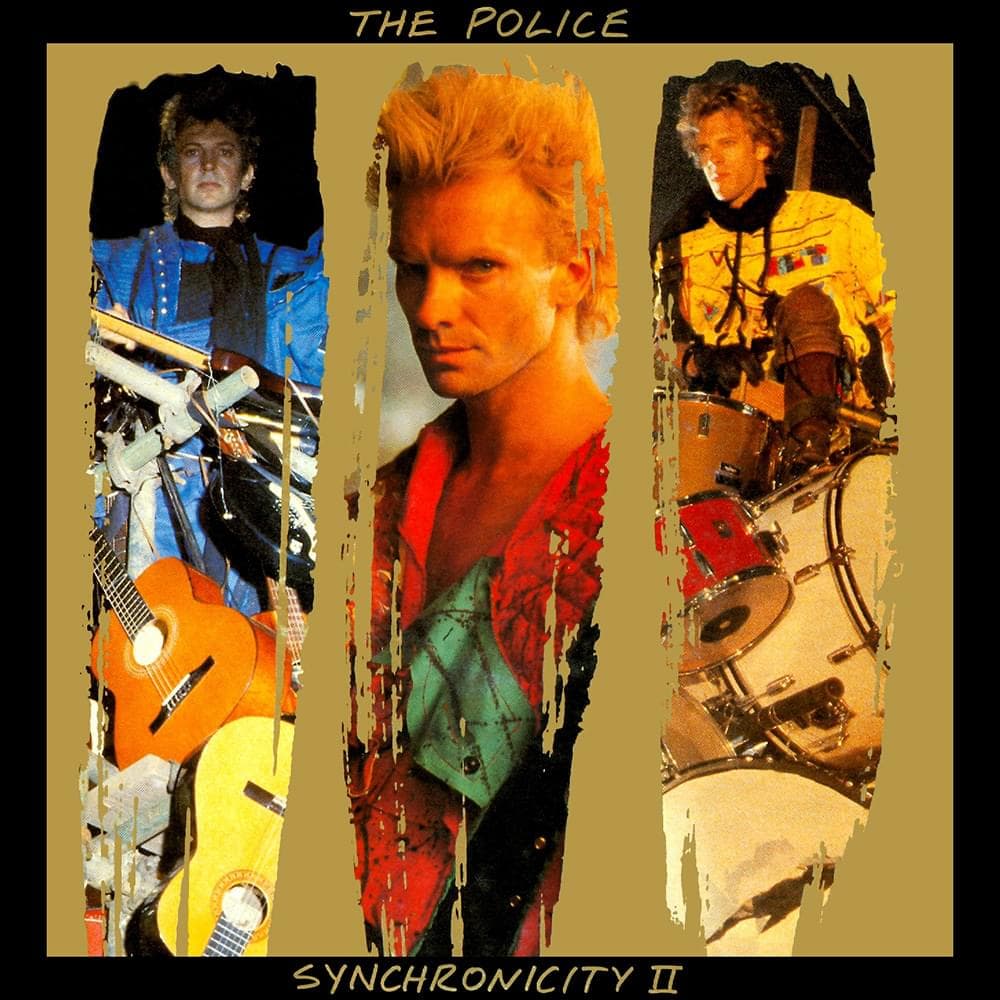
Synchronicity (Super Deluxe Edition)
Ghost in the Machine (Alternate Sequence Edition)
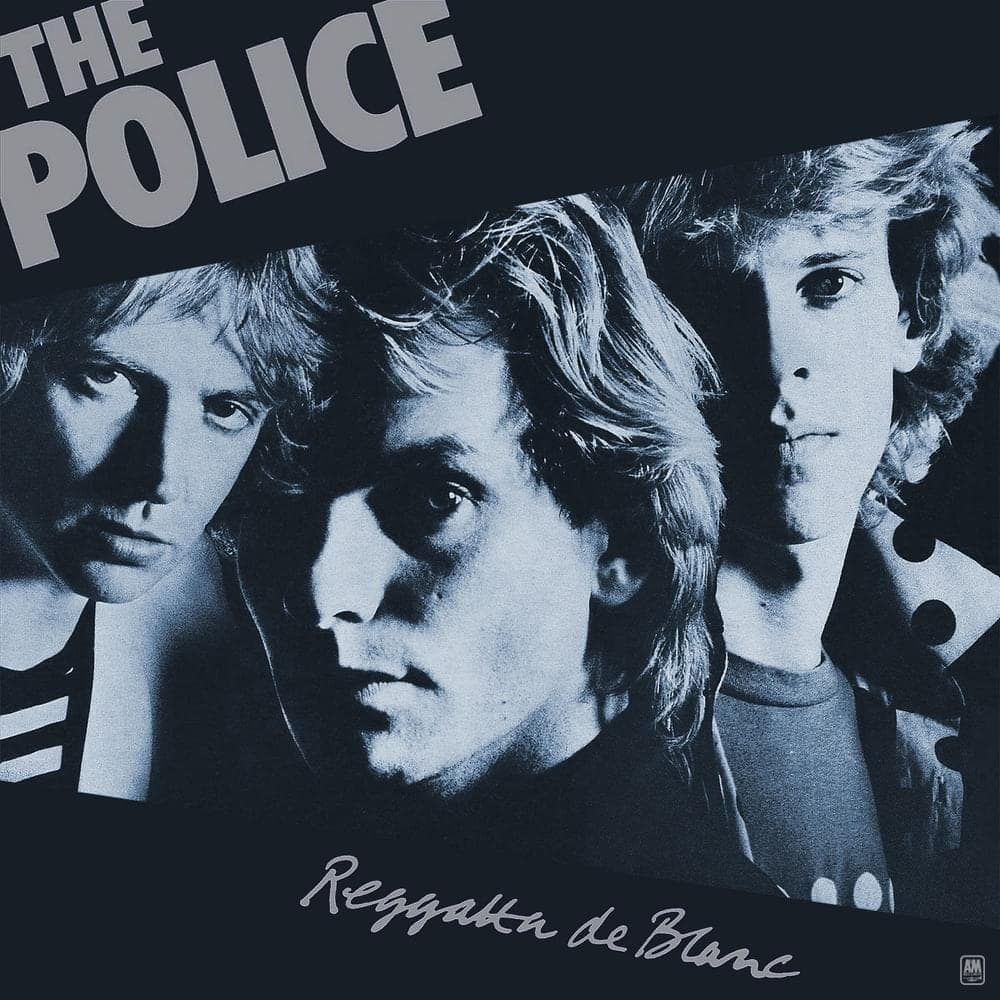
Reggatta de Blanc
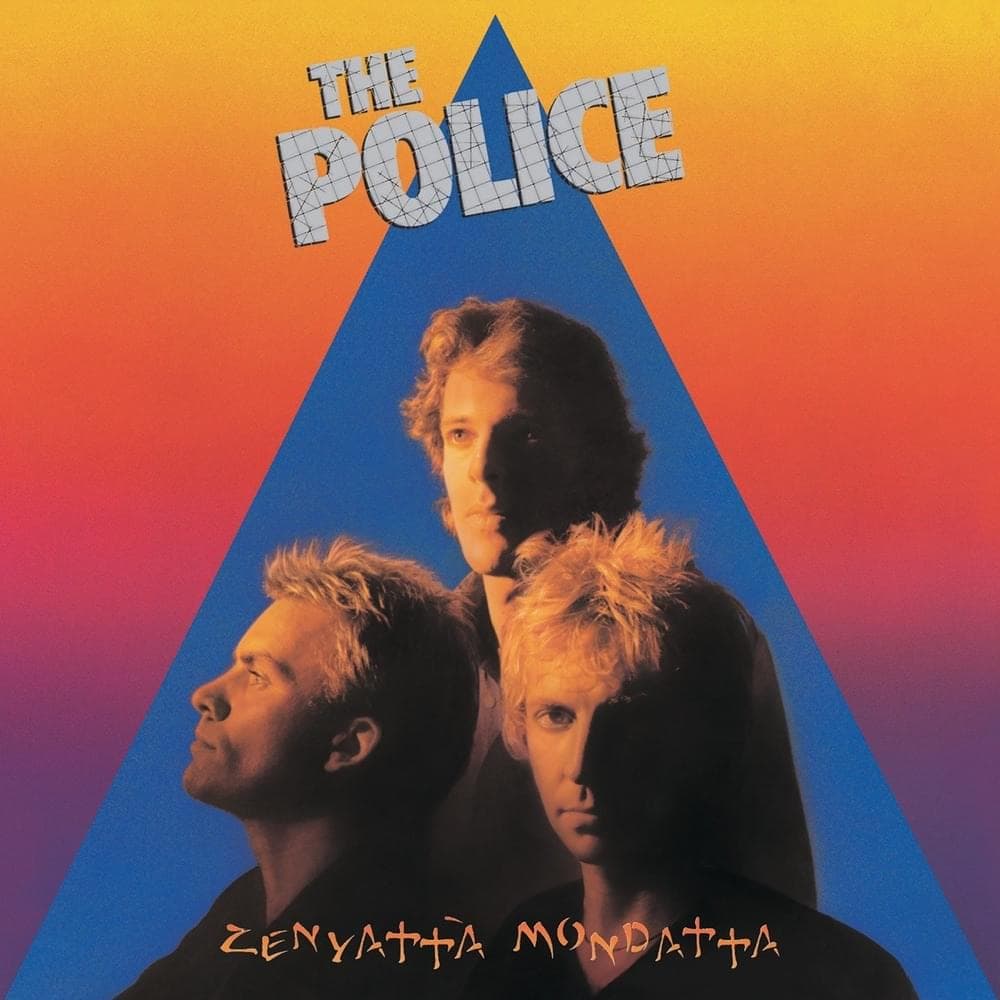
Zenyattà Mondatta
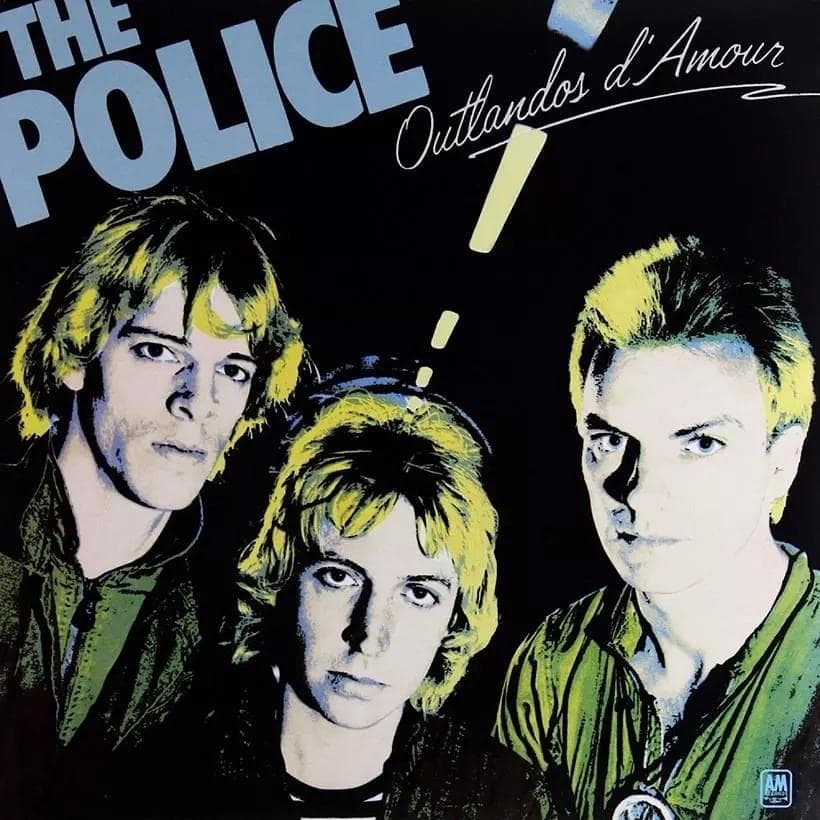
Outlandos d’Amour
When The World Is Running Down (You Can’t Go Wrong)
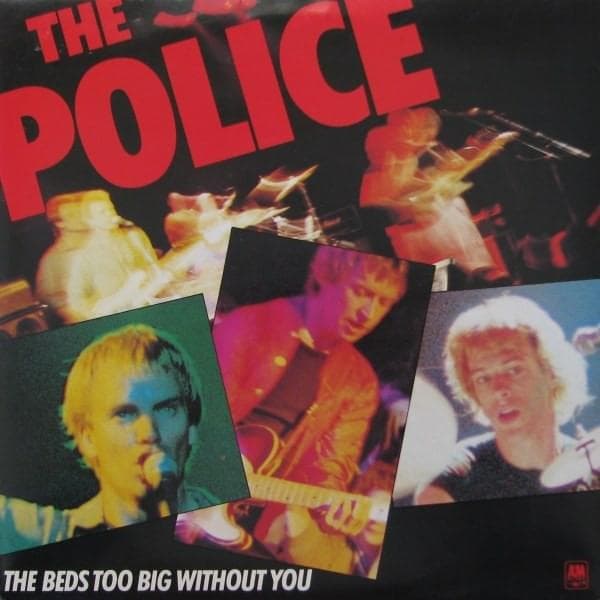
Greatest Hits
Every Breath You Take: The Classics
Six Pack
Synchronicity
Message in a Box: The Complete Recordings
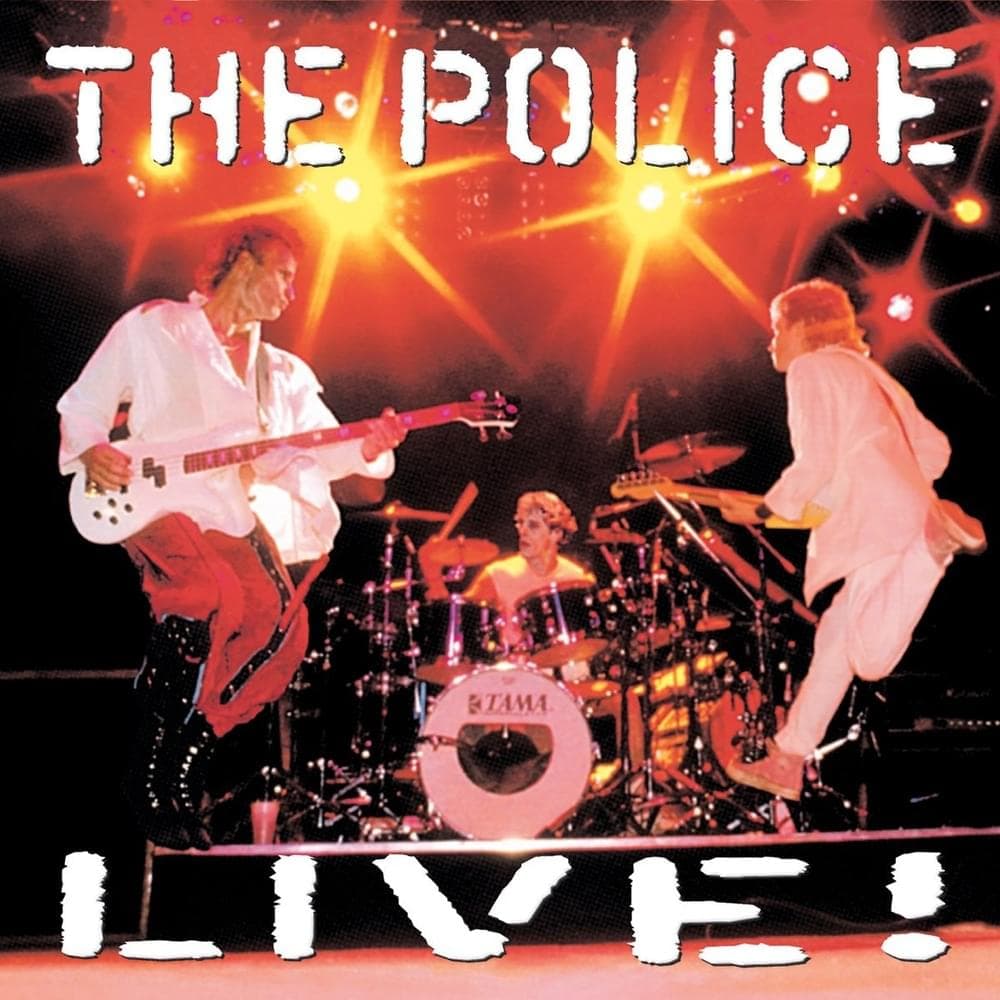
Live!
Unreleased Material