Advertisement
The Pogues
1 Listeners
Artist Bio
The Pogues: From Punk Roots to Celtic Legends
The Pogues. Just the name conjures up images of raucous pubs, swirling pints of Guinness, and a musical collision of punk energy and traditional Irish folk. While they may not be dominating the charts today, their influence on modern music – particularly in the realms of Celtic punk and folk-rock – remains undeniable. They're the band your cool uncle still blasts on St. Patrick's Day. And for good reason.
Formed in the early 1980s, The Pogues carved out a unique niche for themselves. They weren't afraid to embrace their Irish heritage while simultaneously kicking against the establishment with a punk attitude. It's a potent mix that continues to resonate with fans worldwide.
## Introduction & Current Status
While The Pogues, in their original lineup, are no longer actively touring or recording, their music continues to find new audiences. Thanks to streaming platforms and their enduring appeal, their songs are constantly being rediscovered by younger generations. Think of them as the OGs of Celtic punk, the godfathers who paved the way for bands like Flogging Molly and Dropkick Murphys.
The tragic passing of frontman Shane MacGowan in late 2023 brought renewed attention to the band's legacy. Tributes poured in from musicians and fans alike, highlighting the profound impact The Pogues had on the music world. Their songs became anthems of remembrance, celebrating the life and work of a true iconoclast.
The Pogues matter right now because they represent a raw, authentic, and unapologetically Irish voice in a world often dominated by manufactured pop. They remind us that music can be both rebellious and deeply rooted in tradition. They proved that you can raise hell and still make beautiful, heartfelt art.
## Early Life & Background
The story of The Pogues is inextricably linked to the story of their iconic frontman, Shane MacGowan. Born in Pembury, Kent, England, to Irish parents, MacGowan spent much of his childhood in Ireland, soaking up the traditional music and culture that would later inform his songwriting.
He was exposed to a rich tapestry of musical influences from a young age. His family were steeped in Irish folklore and musical tradition. This upbringing instilled in him a deep appreciation for storytelling and the power of music to evoke emotion.
MacGowan's early life was marked by a rebellious spirit and a fascination with punk rock. He found a kindred spirit in the energy and DIY ethos of the punk scene, and it ultimately inspired him to fuse those influences with his Irish heritage. This unique combination is what would become the hallmark of The Pogues' sound.
## Career Beginnings
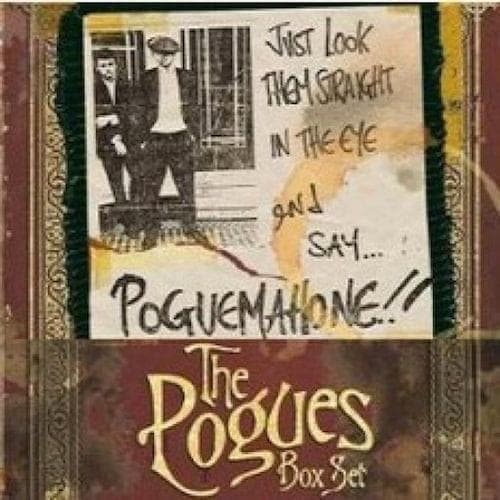
The band that would become The Pogues initially formed under the name "Pogue Mahone," an anglicization of the Irish phrase *póg mo thóin*, meaning "kiss my arse." They started playing in pubs and clubs around London, quickly gaining a reputation for their wild, energetic performances and MacGowan's distinctive vocals.
Their early gigs were often chaotic affairs, fueled by copious amounts of alcohol and a healthy dose of punk rock attitude. But beneath the surface of the mayhem, there was a genuine musical talent and a deep connection to their Irish roots.
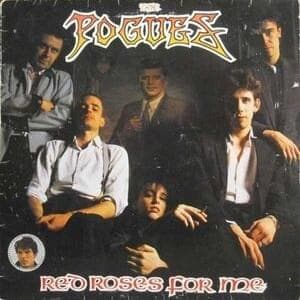
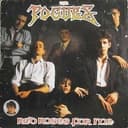
The band's breakthrough came with the release of their debut album, *Red Roses for Me*, in 1984. The album showcased their unique blend of punk and traditional Irish music, earning them critical acclaim and a growing fanbase. This was the moment The Pogues truly arrived on the scene, ready to shake things up.
## Major Albums & Discography
*Red Roses for Me* (1984) was the opening salvo, a raw and energetic introduction to The Pogues' unique sound. It established their punk-infused take on traditional Irish folk, setting the stage for their future success.
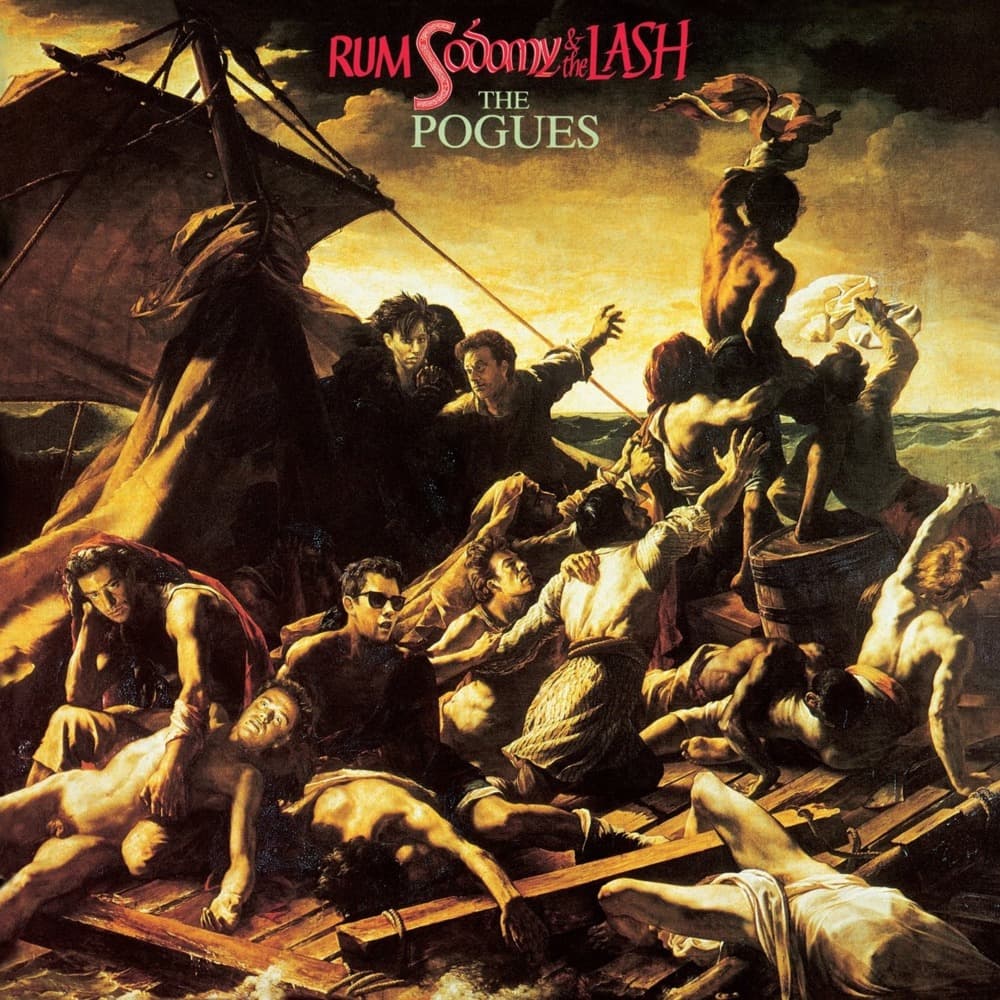
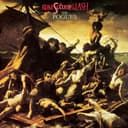
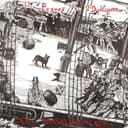
Their second album, *Rum Sodomy & the Lash* (1985), is often considered their masterpiece. Produced by Elvis Costello, the album saw the band further refine their sound, incorporating more complex arrangements and exploring darker themes. It's a sprawling, ambitious work that cemented their status as a major force in the music world.
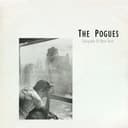
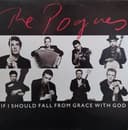
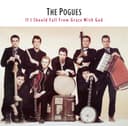
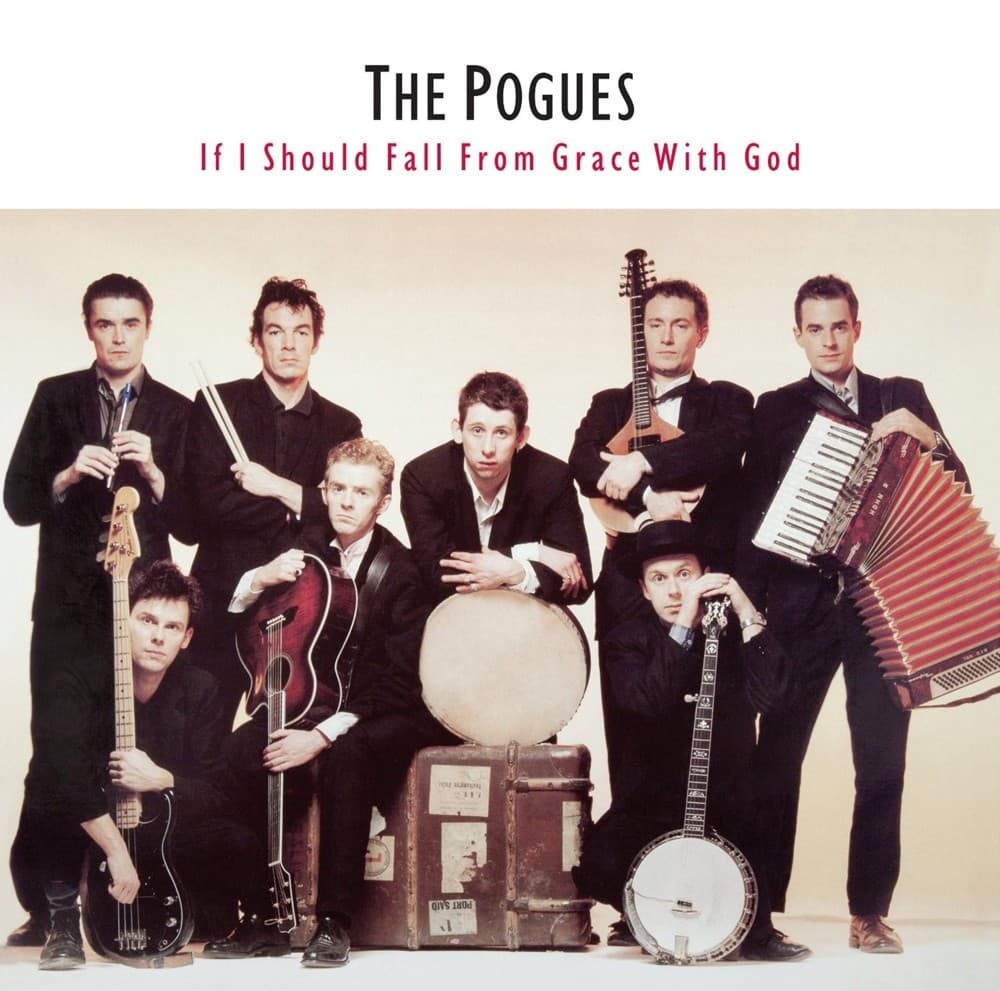
*If I Should Fall from Grace with God* (1988) brought The Pogues their biggest commercial success. Featuring the iconic Christmas song "Fairytale of New York," the album showcased their ability to blend traditional Irish melodies with contemporary pop sensibilities. It remains a beloved classic to this day.
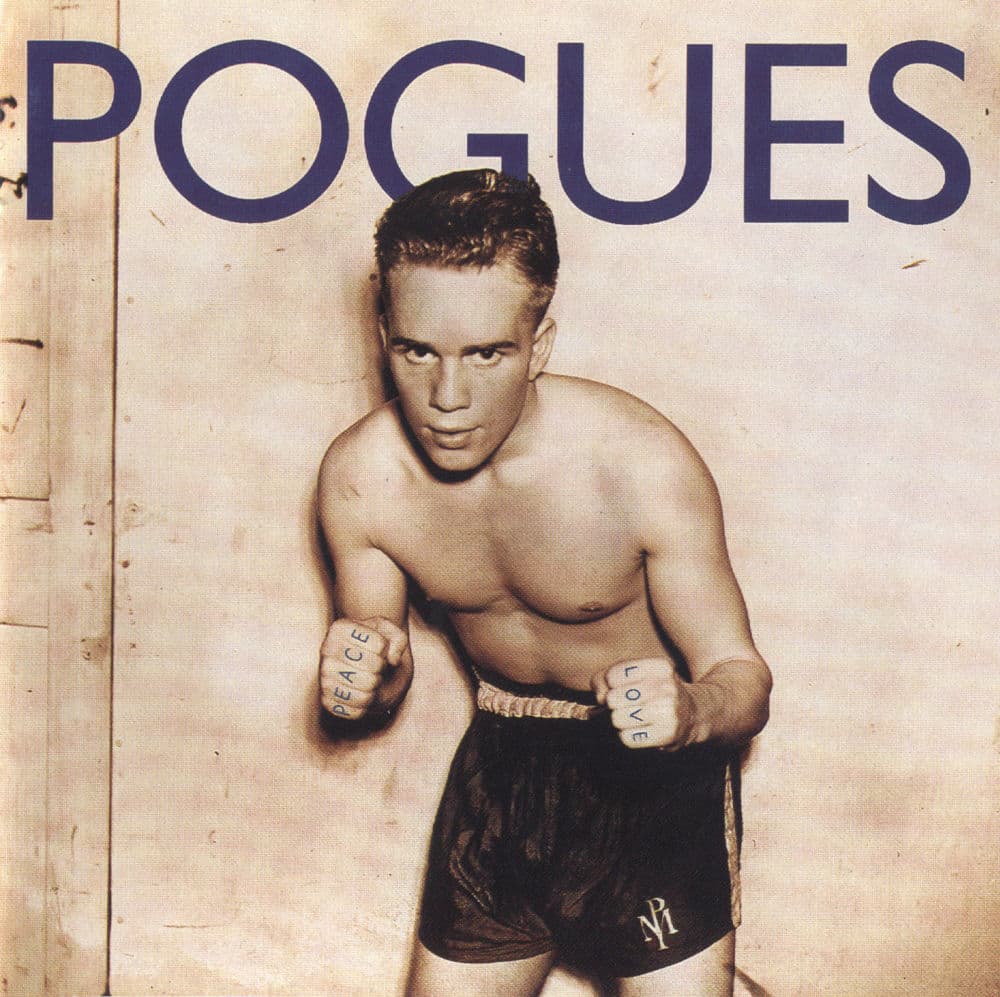
Later albums saw the band experiment with different sounds and lineups, but their early work remains their most influential and enduring. Their discography is a testament to their creativity, their passion, and their unwavering commitment to their unique vision.
## Hit Songs & Signature Tracks
"Fairytale of New York," featuring Kirsty MacColl, is undoubtedly The Pogues' most famous song. A bittersweet Christmas ballad, it's become a holiday staple, despite its unconventional lyrics and melancholic tone. Its enduring popularity speaks to its emotional depth and its ability to capture the complexities of human relationships.
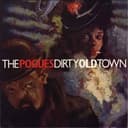
"Dirty Old Town" is another signature track, a raucous and energetic anthem that celebrates the gritty realities of working-class life. Its driving rhythm and singalong chorus make it a crowd-pleaser at pubs and concerts around the world.
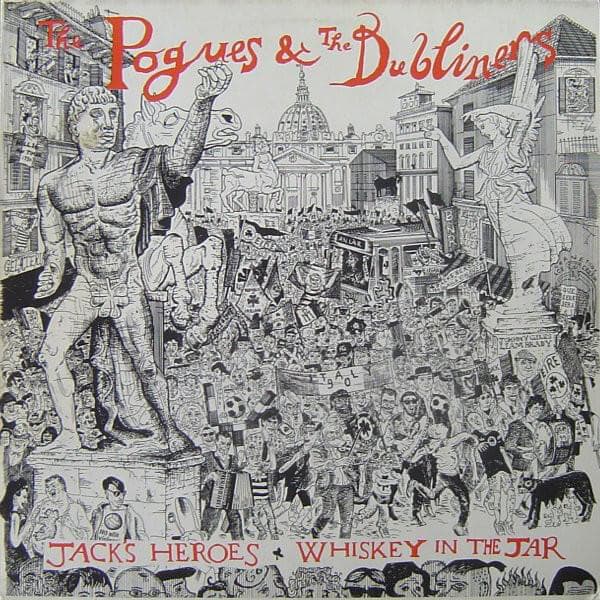
"The Irish Rover," often performed with The Dubliners, is a classic example of The Pogues' ability to breathe new life into traditional Irish songs. Their energetic rendition transforms the song into a high-octane celebration of Irish culture and heritage.
These songs, along with many others in their catalog, have become anthems for generations of fans. They capture the spirit of rebellion, the joy of community, and the enduring power of Irish music.
## Collaborations & Features
The Pogues were known for their eclectic collaborations, often blurring the lines between genres and generations. Their most famous collaboration was undoubtedly with Kirsty MacColl on "Fairytale of New York," a pairing that proved to be pure magic.
They also collaborated with The Dubliners, legendary figures in Irish folk music, on several occasions. These collaborations showcased The Pogues' deep respect for their musical heritage and their ability to bridge the gap between traditional and contemporary sounds.
Beyond these high-profile collaborations, The Pogues also worked with a variety of other artists, further expanding their musical horizons and solidifying their reputation as innovators.
## Awards & Achievements
While The Pogues may not have won a plethora of mainstream awards, their achievements lie in their cultural impact and their enduring influence on other musicians. They helped to popularize Celtic punk, paving the way for countless bands to follow in their footsteps.
Their albums have achieved platinum and gold certifications in multiple countries, a testament to their commercial success and their widespread appeal.
More importantly, The Pogues have earned the respect and admiration of their peers and their fans. They are considered by many to be one of the most important and influential bands of their generation.
## Personal Life
Shane MacGowan's personal life was often as turbulent and chaotic as his music. His struggles with addiction were well-documented, and they often overshadowed his immense talent. Despite his personal demons, he remained a beloved figure in the music world, admired for his honesty, his vulnerability, and his unwavering commitment to his art.
The other members of The Pogues have generally maintained a lower profile, focusing on their music and their families. They have remained a tight-knit group, despite the challenges and controversies that have plagued the band over the years.
## Musical Style & Influence
The Pogues' musical style is a unique blend of punk rock energy and traditional Irish folk music. They combined the raw, rebellious spirit of punk with the melodies and instrumentation of traditional Irish music, creating a sound that was both familiar and completely original.
Their influences ranged from The Clash and The Ramones to The Dubliners and The Chieftains. They drew inspiration from a wide range of sources, blending them together to create something entirely new.
The Pogues have, in turn, influenced countless other artists, particularly in the Celtic punk and folk-rock genres. Bands like Flogging Molly, Dropkick Murphys, and The Tossers owe a debt of gratitude to The Pogues for paving the way.
## Recent Work & What's Next
With the passing of Shane MacGowan, the future of The Pogues as an active band remains uncertain. However, their music continues to be celebrated and rediscovered by new generations of fans.
Tributes and memorial concerts have been held in MacGowan's honor, showcasing the enduring power of The Pogues' music and the profound impact they had on the world.
While they may no longer be actively touring or recording, The Pogues' legacy is secure.