Artist Bio
Led Zeppelin. Just the name conjures images of screaming crowds, earth-shattering riffs, and enough rock and roll excess to fuel a small planet. These guys didn't just bend the rules; they rewrote the entire playbook.
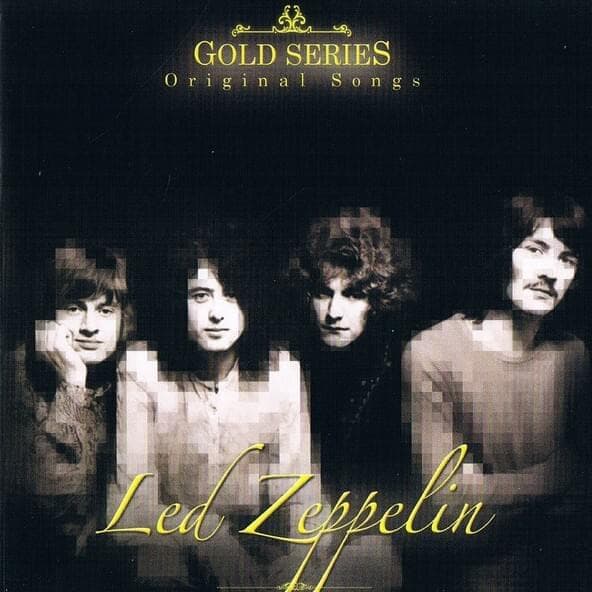
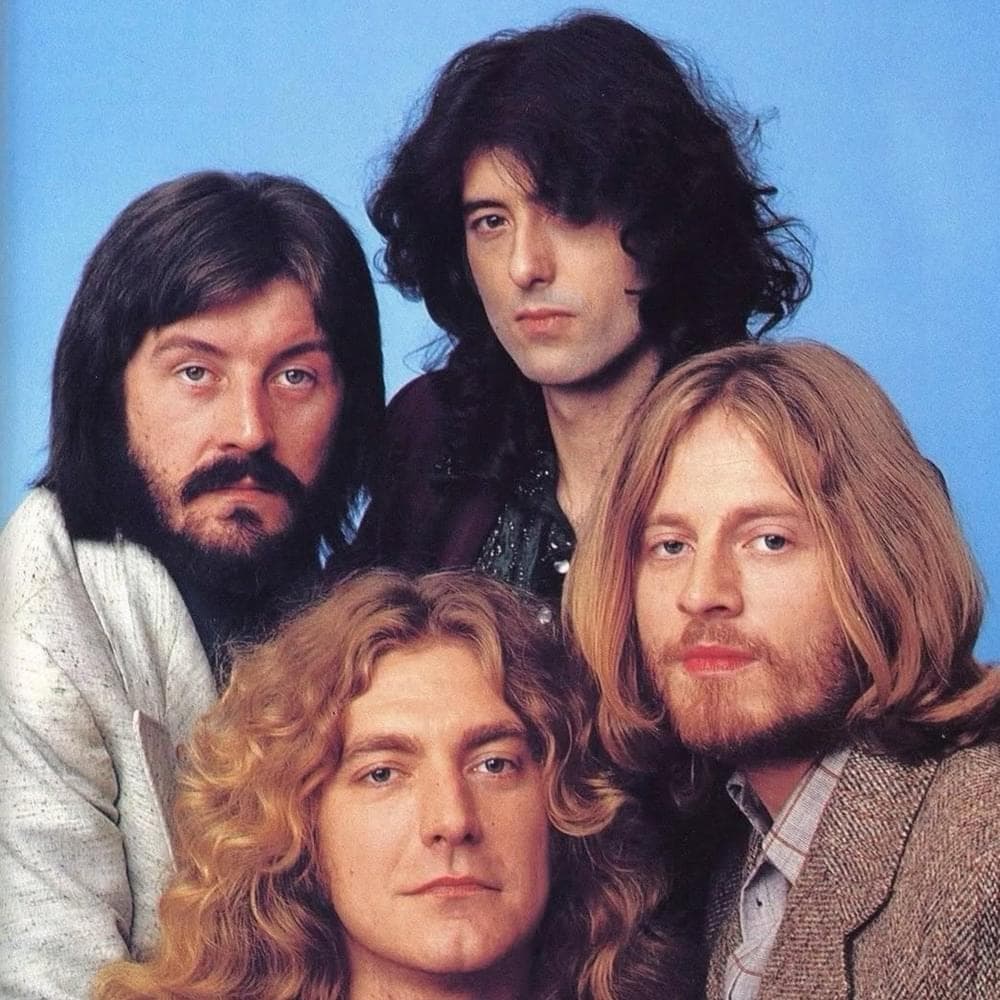
From the late '60s onward, Zeppelin redefined what a rock band could be. Robert Plant's banshee wail, Jimmy Page's guitar wizardry, John Paul Jones's masterful basslines, and John Bonham's earth-shaking drumming created a sound that was both primal and sophisticated. Forget polite pop; this was music that grabbed you by the throat and demanded your attention.
The band's origins are pretty straightforward. Jimmy Page, already a guitar hero in the UK session scene, wanted to form a supergroup after The Yardbirds fizzled out. He recruited Plant, Jones, and Bonham, and lightning in a bottle happened. Their early gigs were legendary, and it wasn't long before they were selling out stadiums worldwide.
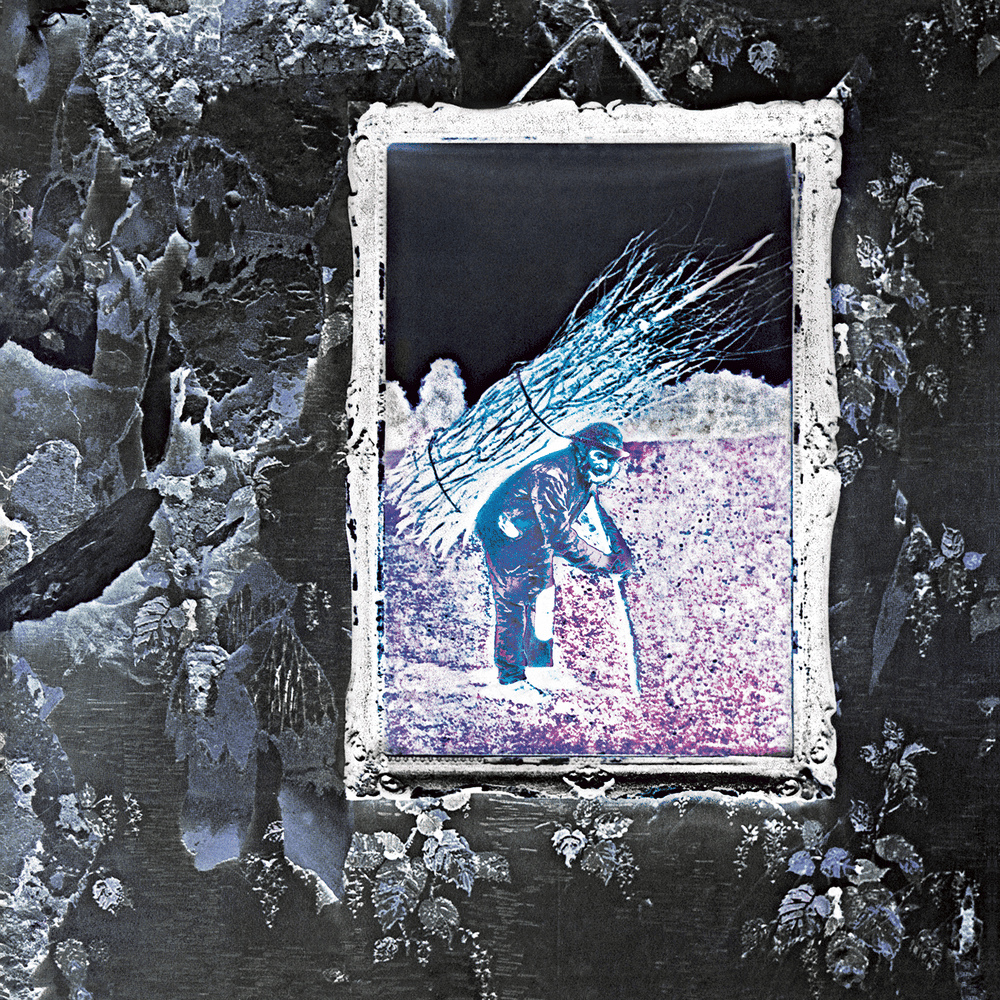
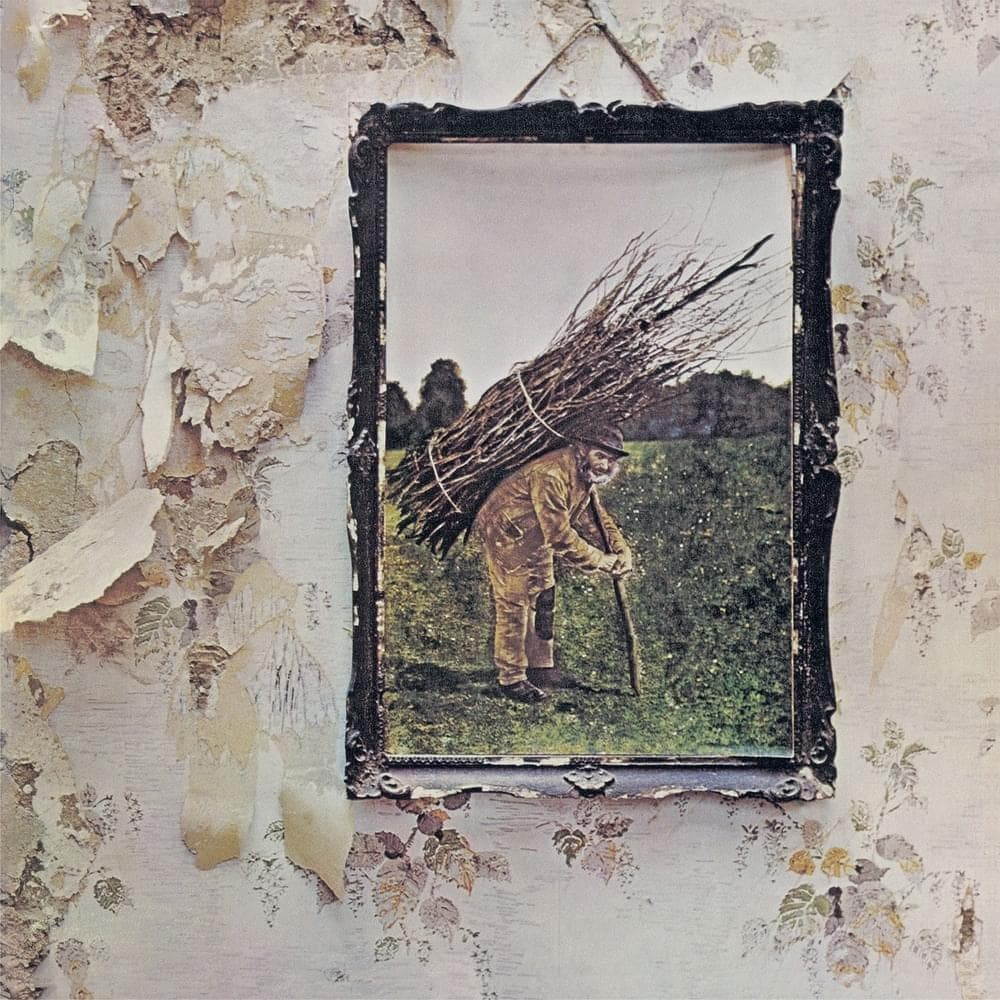
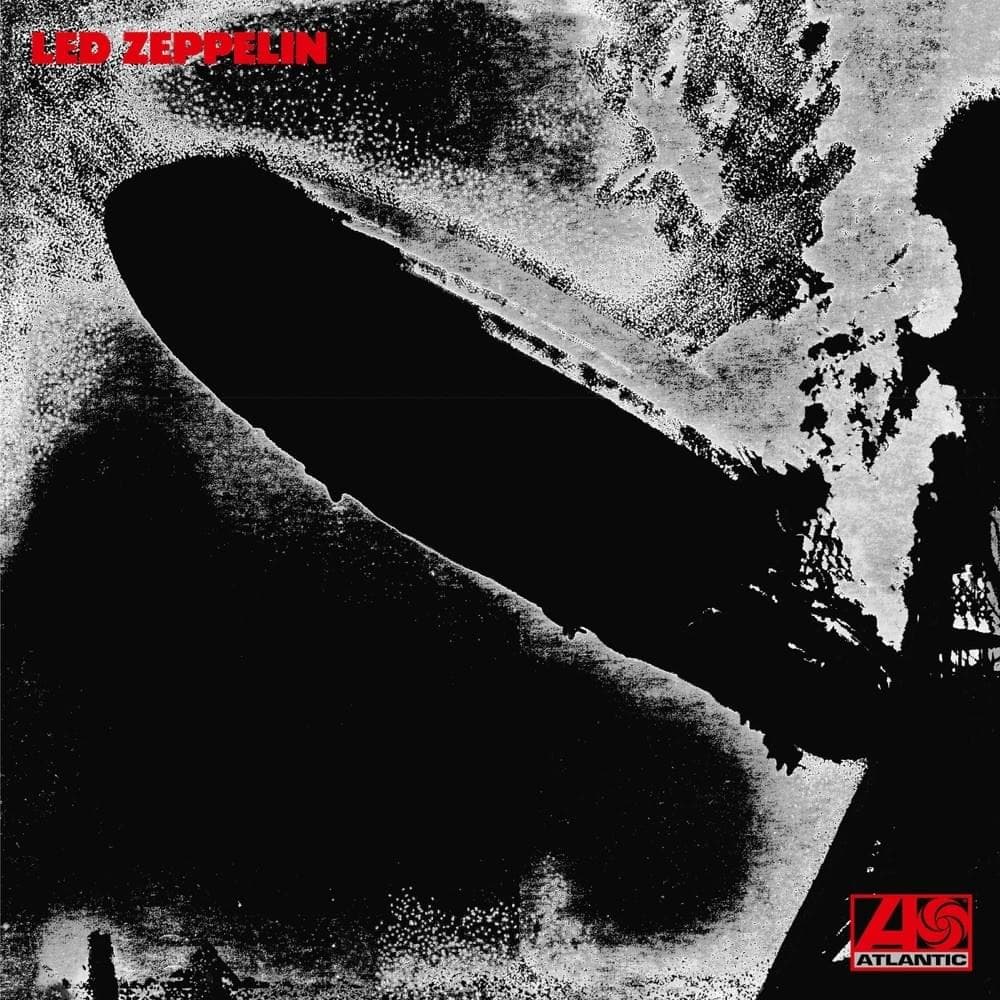
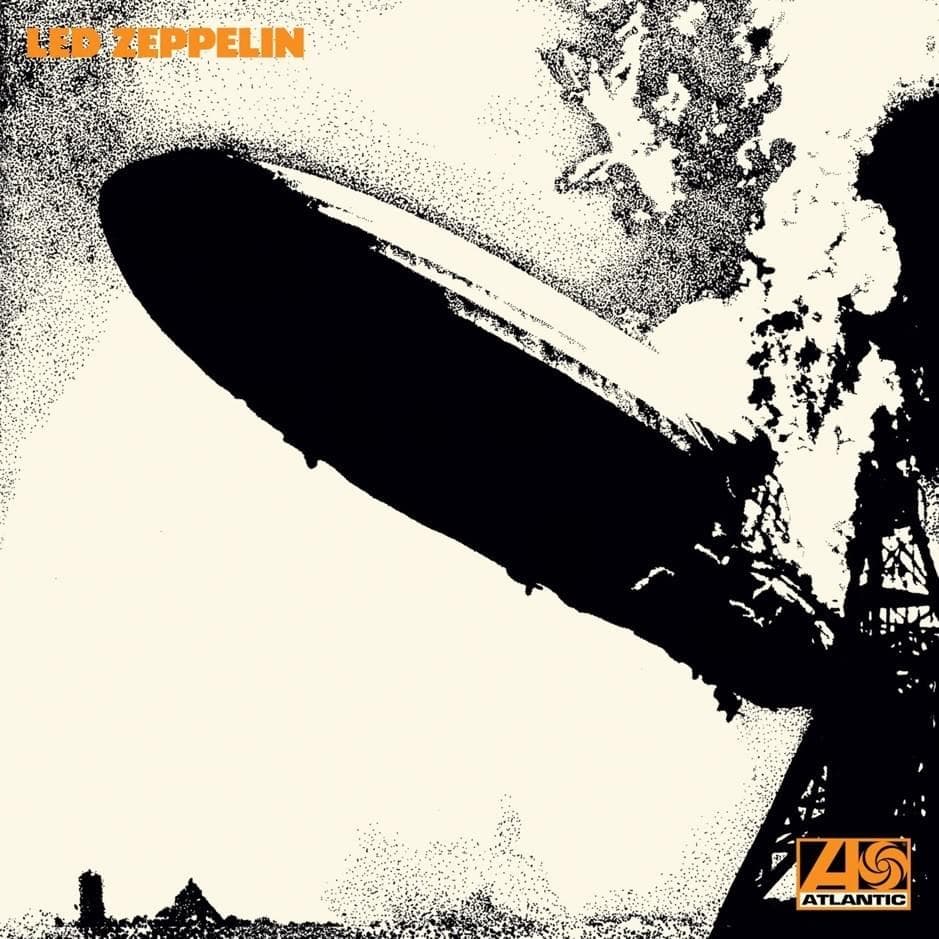
Their self-titled debut album dropped in '69 and basically redefined hard rock. But it was "Led Zeppelin IV," with tracks like "Stairway to Heaven," "Black Dog," and "Rock and Roll," that cemented their status as gods. The album's mystical vibes and epic scope resonated with a generation hungry for something deeper than bubblegum pop.
Beyond the hits, Led Zeppelin's influence is massive. They bridged the gap between blues, folk, and hard rock. They helped pave the way for countless bands that followed, and their sound continues to be sampled and referenced by artists across genres. They proved you could be heavy, experimental, and massively popular all at the same time.
Despite the tragic loss of John Bonham in 1980, which led to the band's dissolution, Led Zeppelin's music lives on. Their albums still sell, their songs still get airplay, and their legend only grows with each new generation that discovers their sound. They didn't just make music; they created a soundtrack for rebellion, freedom, and pure rock and roll energy.
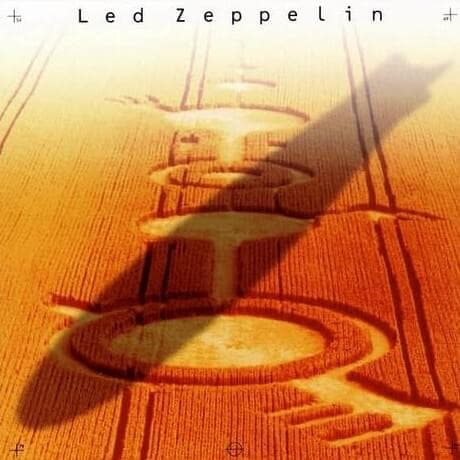
 Stairway to Heaven
 Immigrant Song
 Going to California
 Whole Lotta Love
 Kashmir
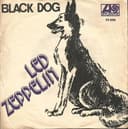 Black Dog
 All My Love
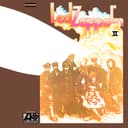 Ramble On
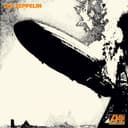 Dazed and Confused
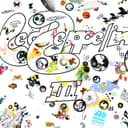 Since I’ve Been Loving You
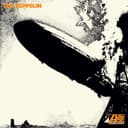 Babe I’m Gonna Leave You
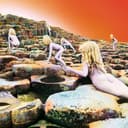 No Quarter
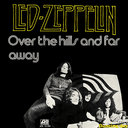 Over the Hills and Far Away
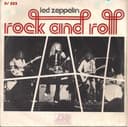 Rock and Roll
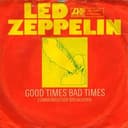 Good Times Bad Times