Advertisement
Fela Kuti
1 Listeners
Artist Bio
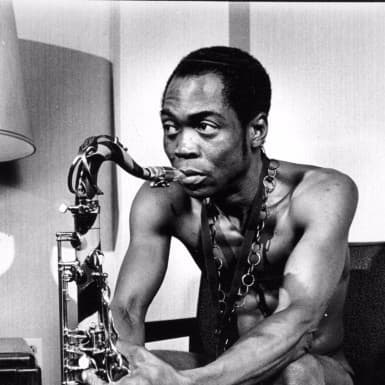
Fela Kuti, born Olufela Olusegun Oludotun Ransome-Kuti in 1938, wasn't just a musician; he was a cultural phenomenon, a political firebrand, and the undisputed pioneer of Afrobeat. His music, a potent blend of Yoruba traditional music, jazz, funk, and highlife, became the soundtrack to a generation grappling with post-colonial realities and the injustices of military rule in Nigeria. Kuti's fearless lyrics, often delivered in a mix of Yoruba and pidgin English, tackled corruption, oppression, and the enduring legacy of colonialism with unflinching honesty and biting satire.
Kuti's life was as turbulent as his music was revolutionary. He established the Kalakuta Republic, a communal compound that served as a refuge for his band, dancers, and followers. It was a space of artistic freedom and political resistance, constantly under siege from the authorities. His outspoken criticism of the Nigerian government, particularly its military regimes, led to frequent arrests, harassment, and even the infamous 1977 raid on the Kalakuta Republic, during which his mother, Funmilayo Ransome-Kuti, a prominent activist in her own right, was fatally injured.
Despite the constant persecution, Kuti refused to be silenced. His performances were legendary, marathon affairs that could stretch for hours, fueled by his infectious energy and the hypnotic rhythms of his band, Afrika 70, and later, Egypt 80. Songs like Yellow Fever, a scathing commentary on the obsession with skin bleaching, became anthems of resistance. He used his music to educate and empower, encouraging Nigerians to question authority and fight for their rights. His music asked his listeners to consider if they were acting as Mr. Follow Follow, blindly accepting the status quo.
While many of his songs directly addressed political issues, some explored more philosophical or personal themes. Tracks like Swegbe And Pako delve into the complexities of human relationships and societal expectations. He challenged conventional morality and embraced a pan-Africanist ideology, advocating for the unity and liberation of the African continent. Fela's commitment to his beliefs was unwavering, even in the face of immense personal risk. His raw and uncut vocals on Monumental (Vocals Only) capture the passion and conviction he carried in every performance.
Fela Kuti's impact extends far beyond the realm of music. He remains a symbol of resistance against oppression, a champion of African identity, and an inspiration to artists and activists worldwide. Even after his death in 1997, his music continues to resonate with audiences, reminding us of the power of art to challenge injustice and inspire change. The spirit of Fela lives on, urging us to remain true to ourselves and to fight for a better world. The simple truth is that he never wanted to be seen as Ordinarily Human (Vocals Only), but as a powerful force for change.
Popular Albums
The Best of the Black President 2
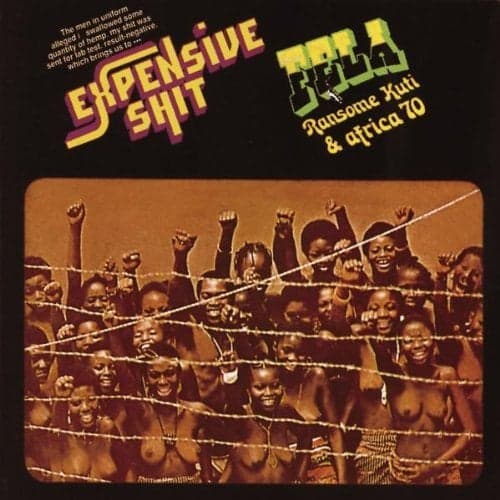
Expensive Shit
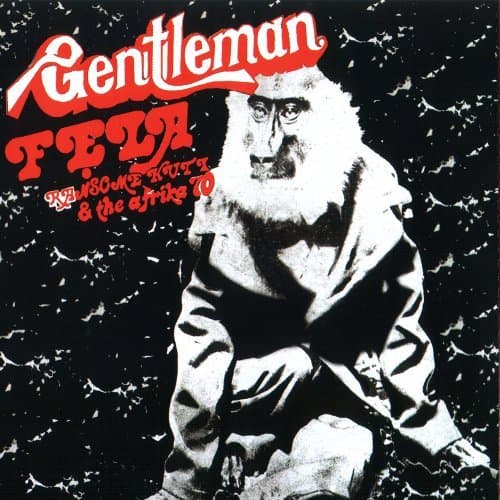
Gentleman
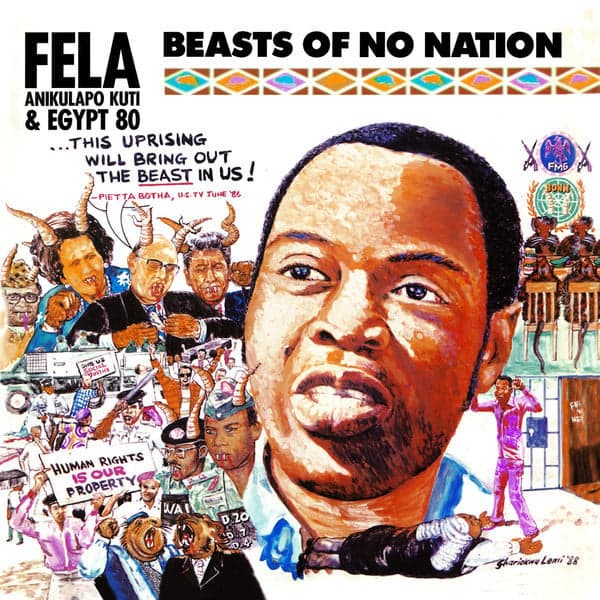
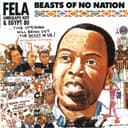
Beasts Of No Nation
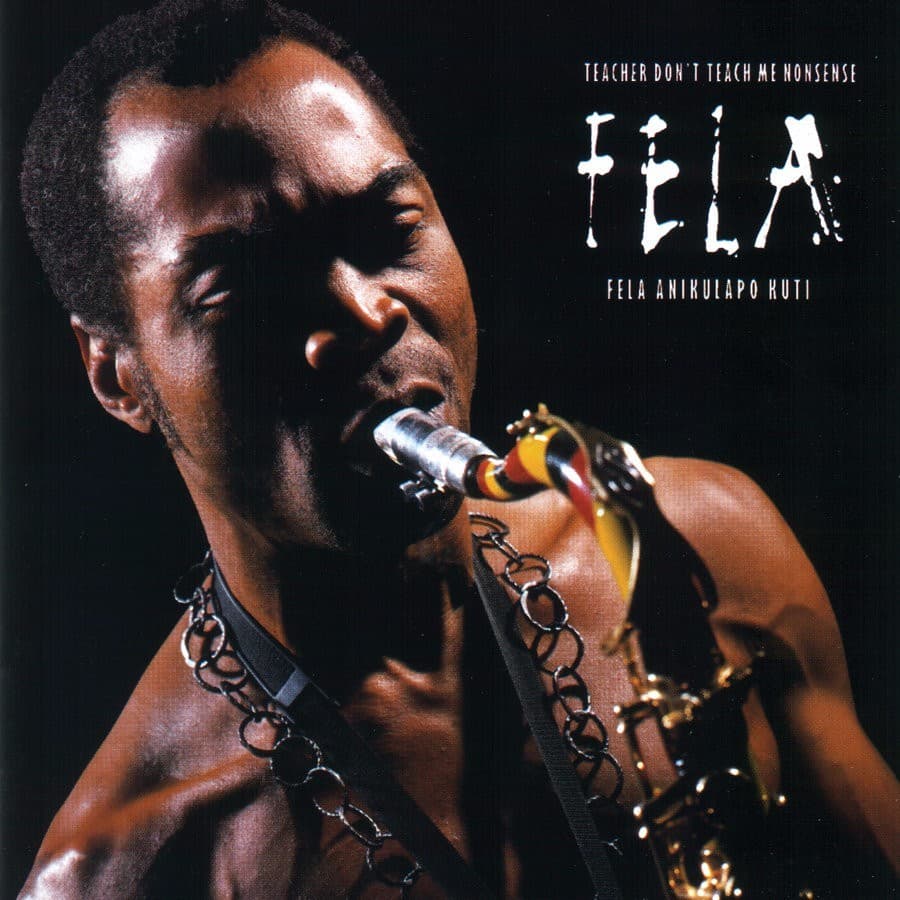
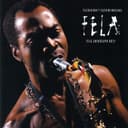
Teacher Don’t Teach Me Nonsense
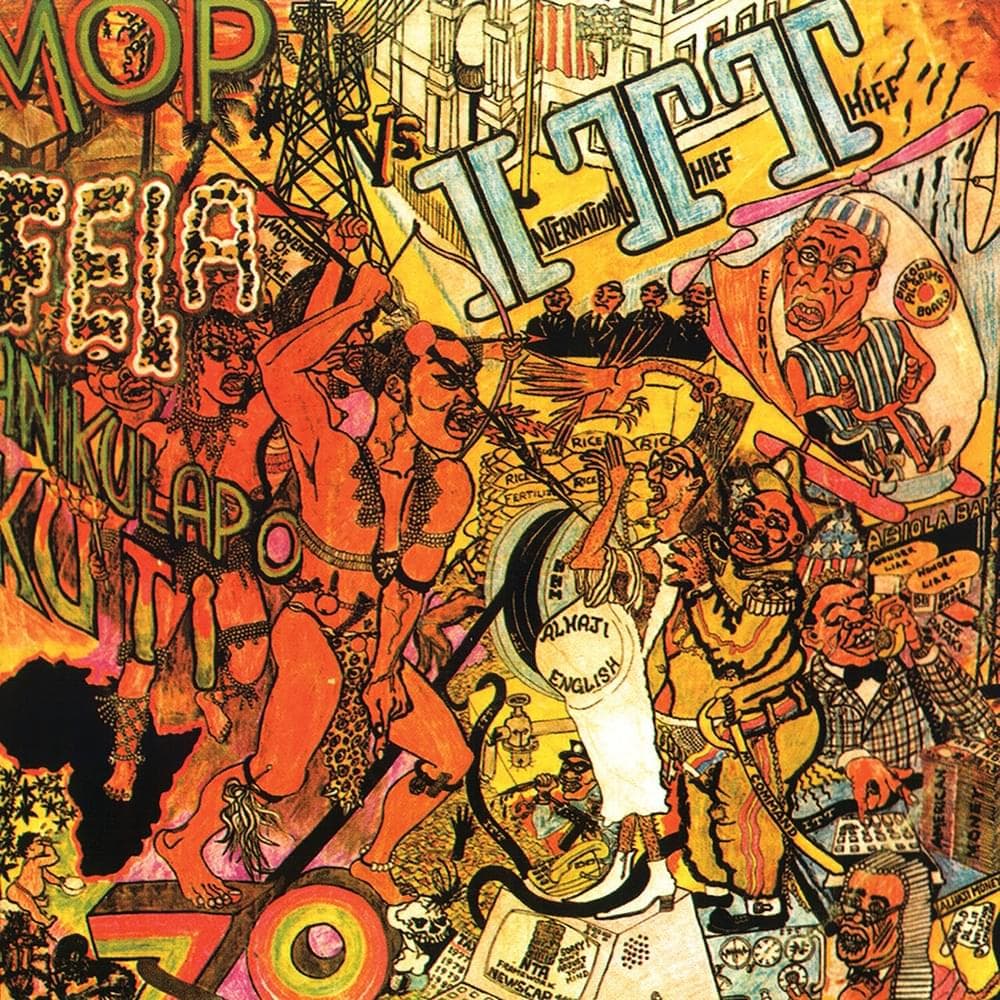
The Best of the Black President
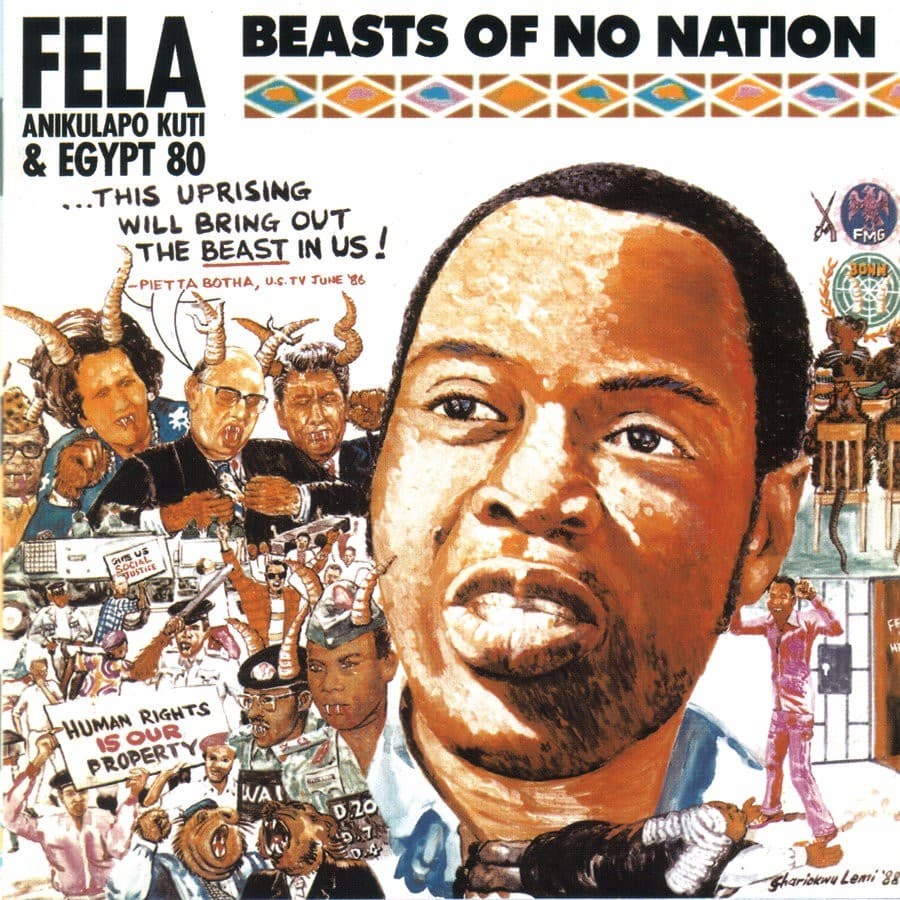
Finding Fela: Original Motion Picture Soundtrack
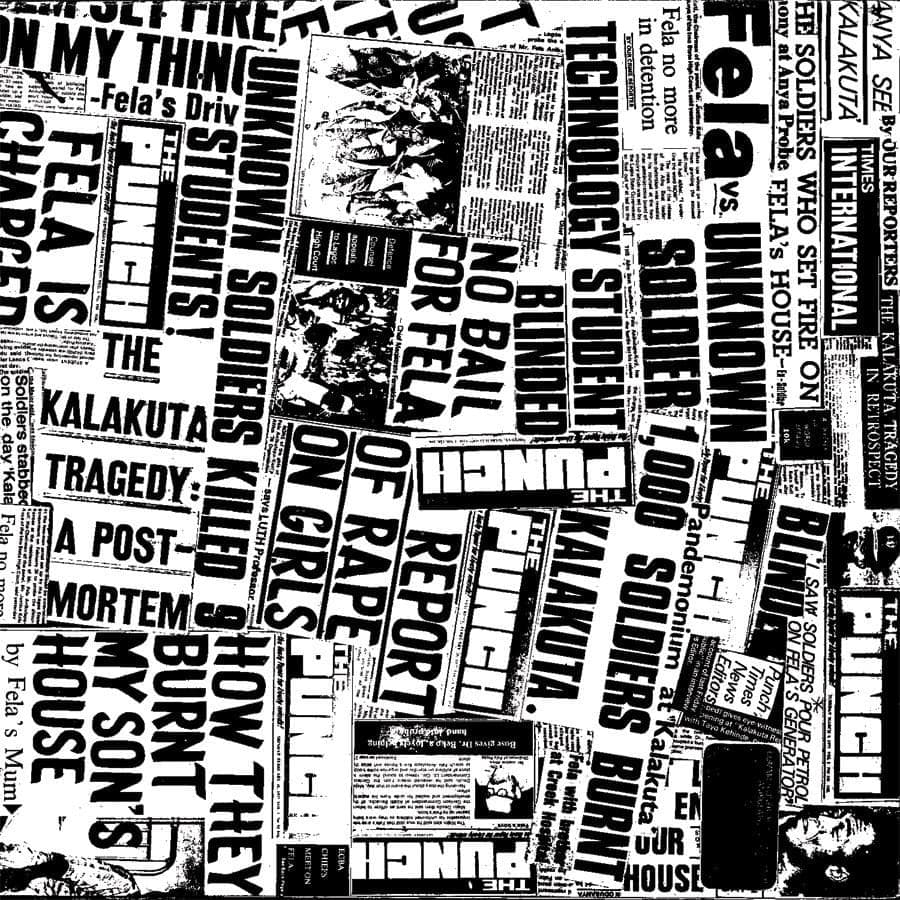
Unknown Soldier
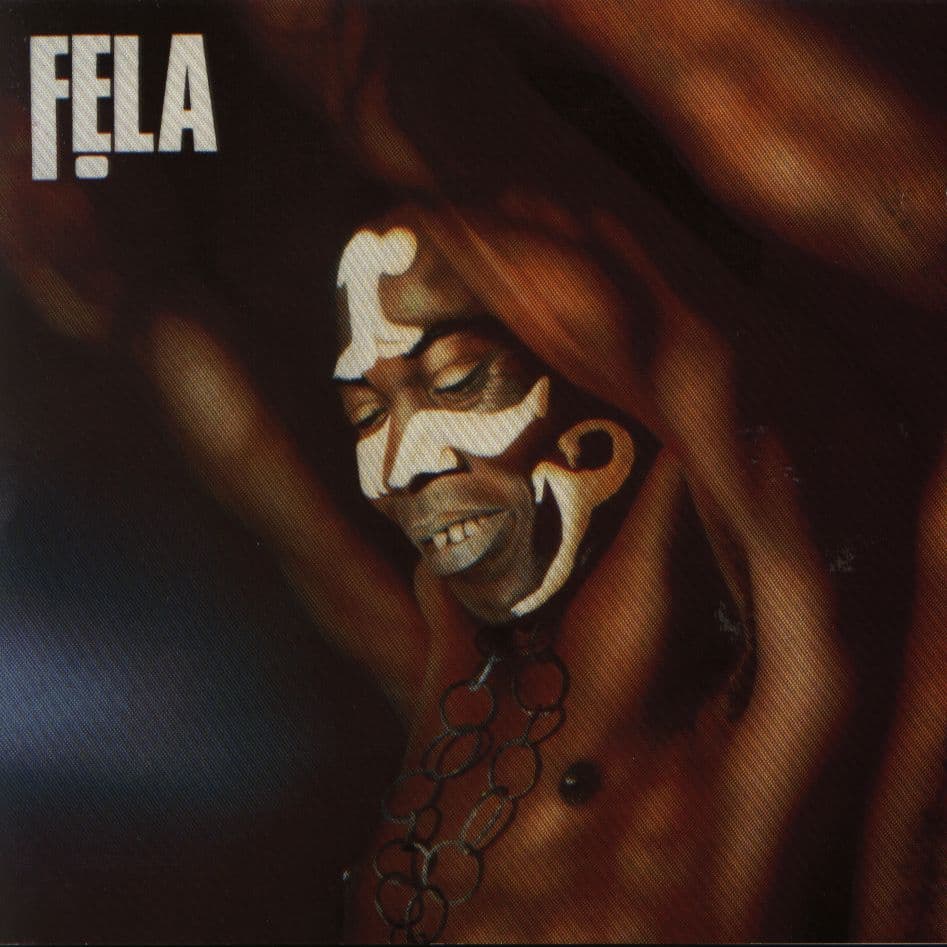
Army Arrangement
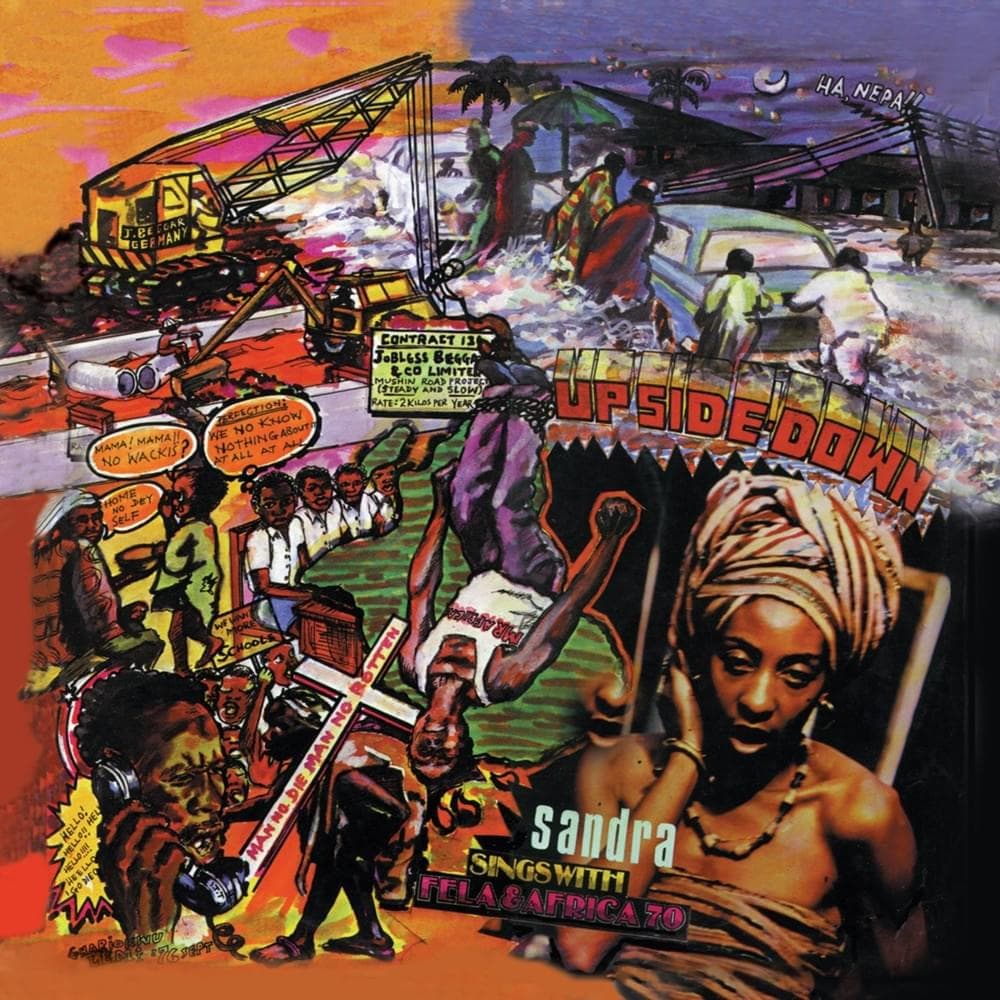
Upside Down
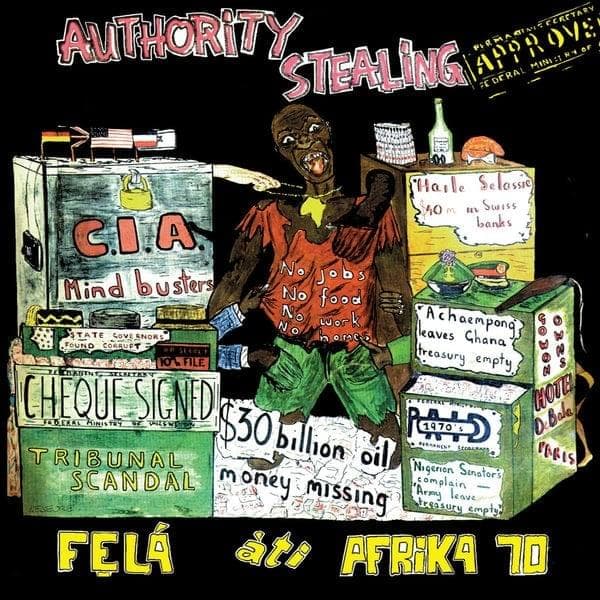
Authority Stealing
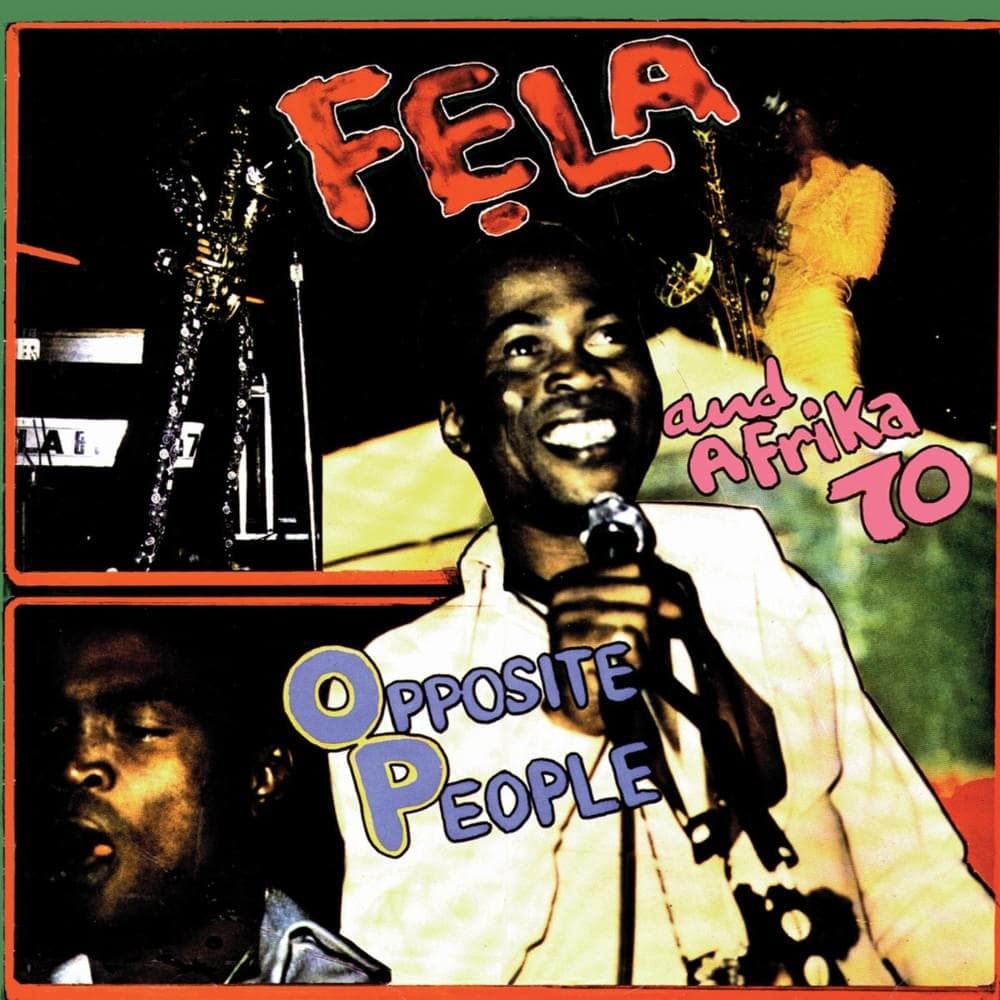
Opposite People
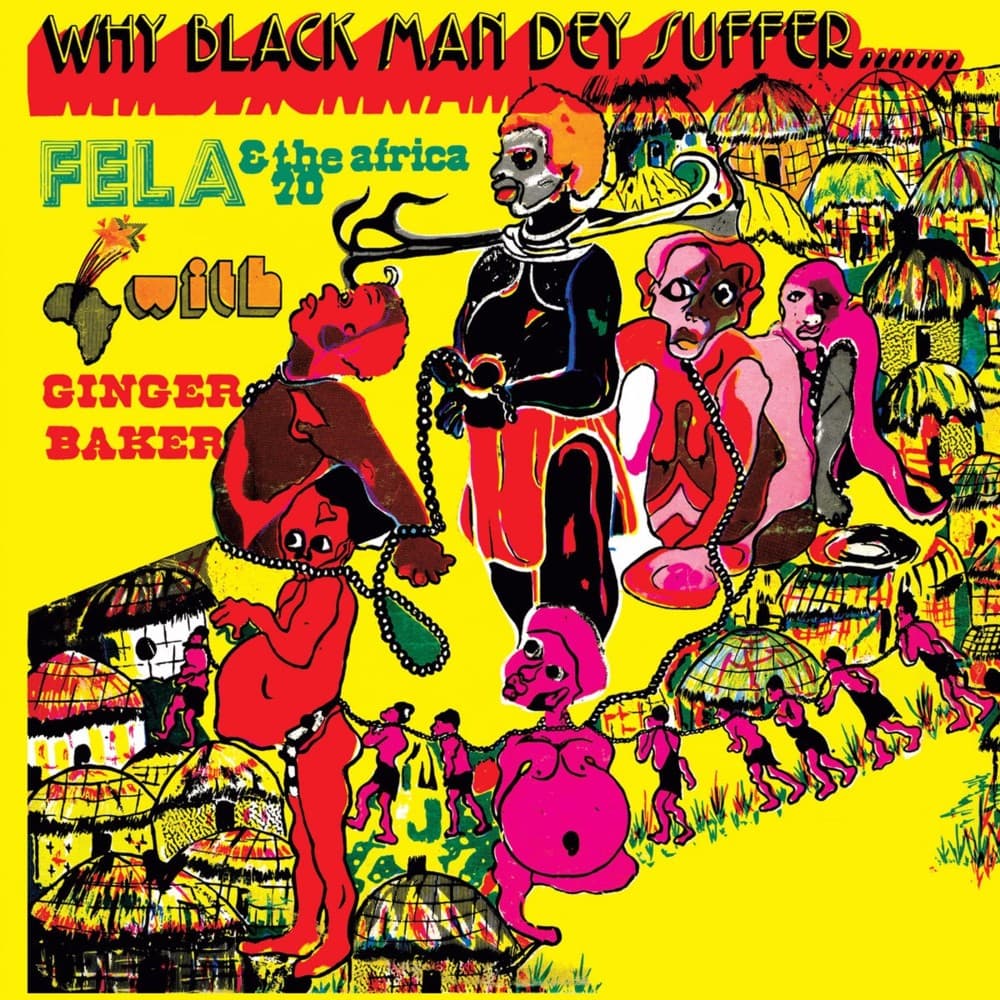
Why Black Man Dey Suffer
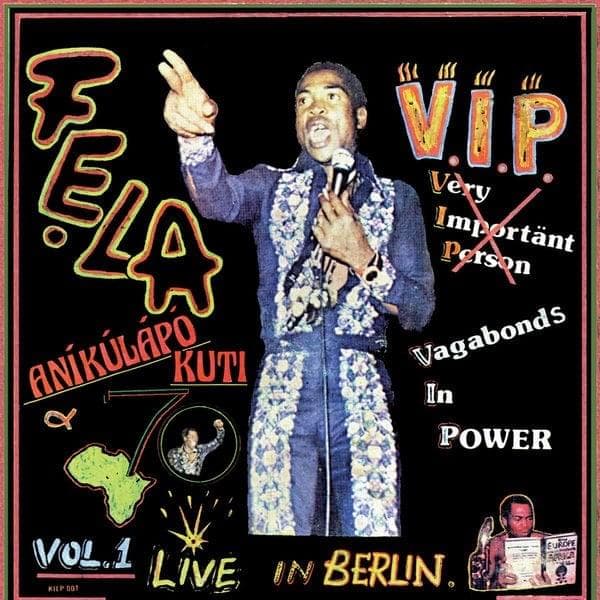
V.I.P., Pt. 1 & 2 (Vagabonds in Power) [Live in Berlin]
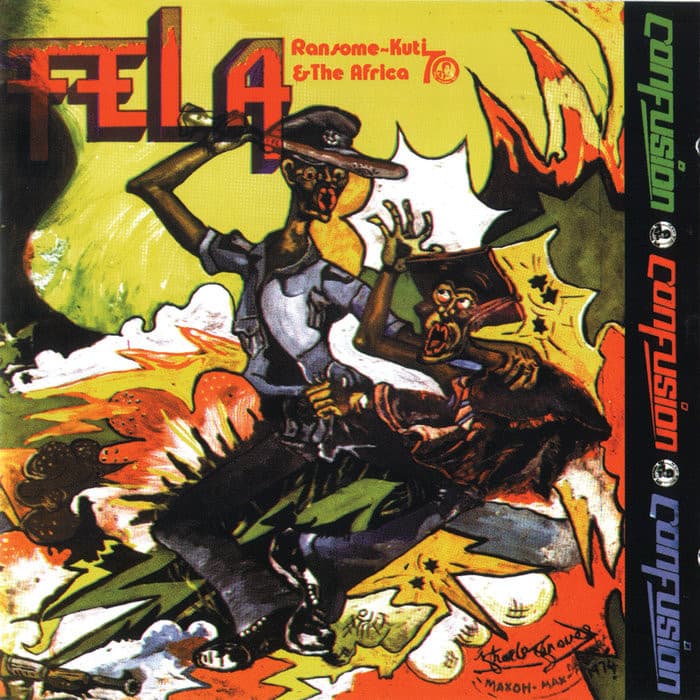
Confusion
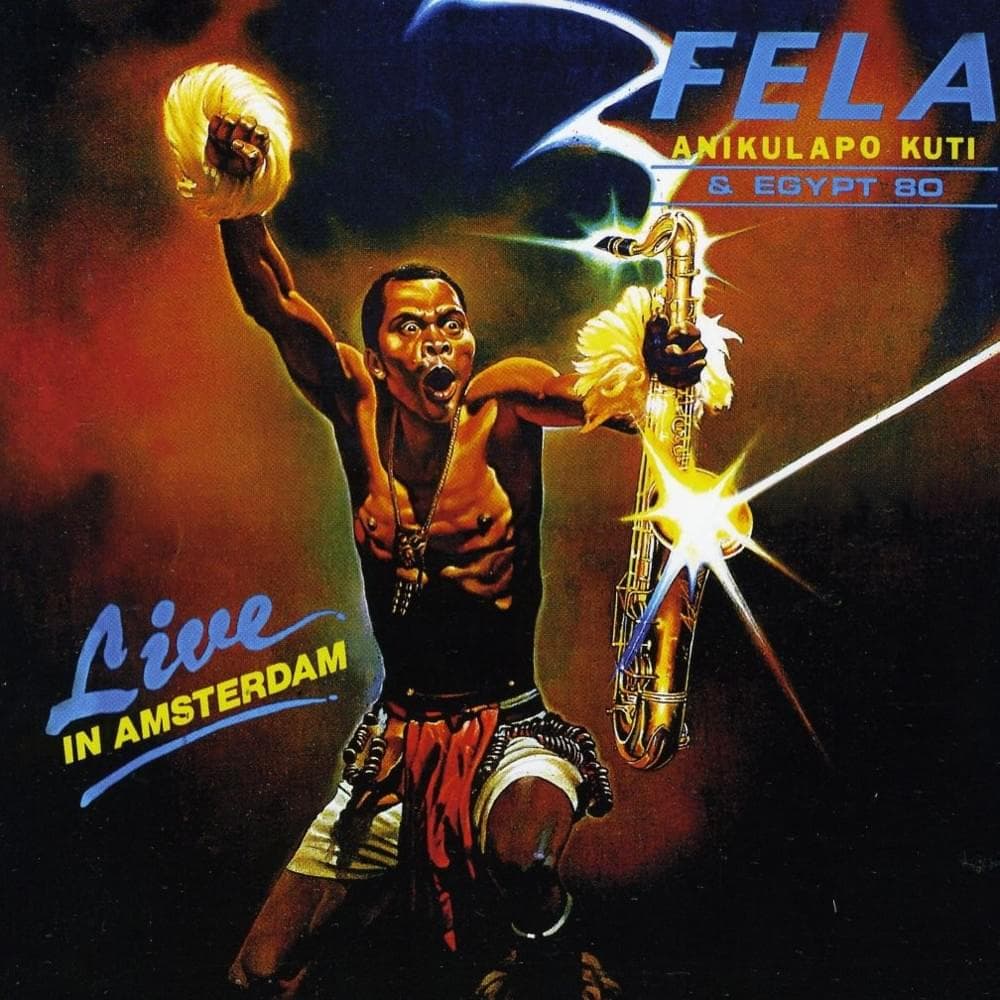
Live In Amsterdam
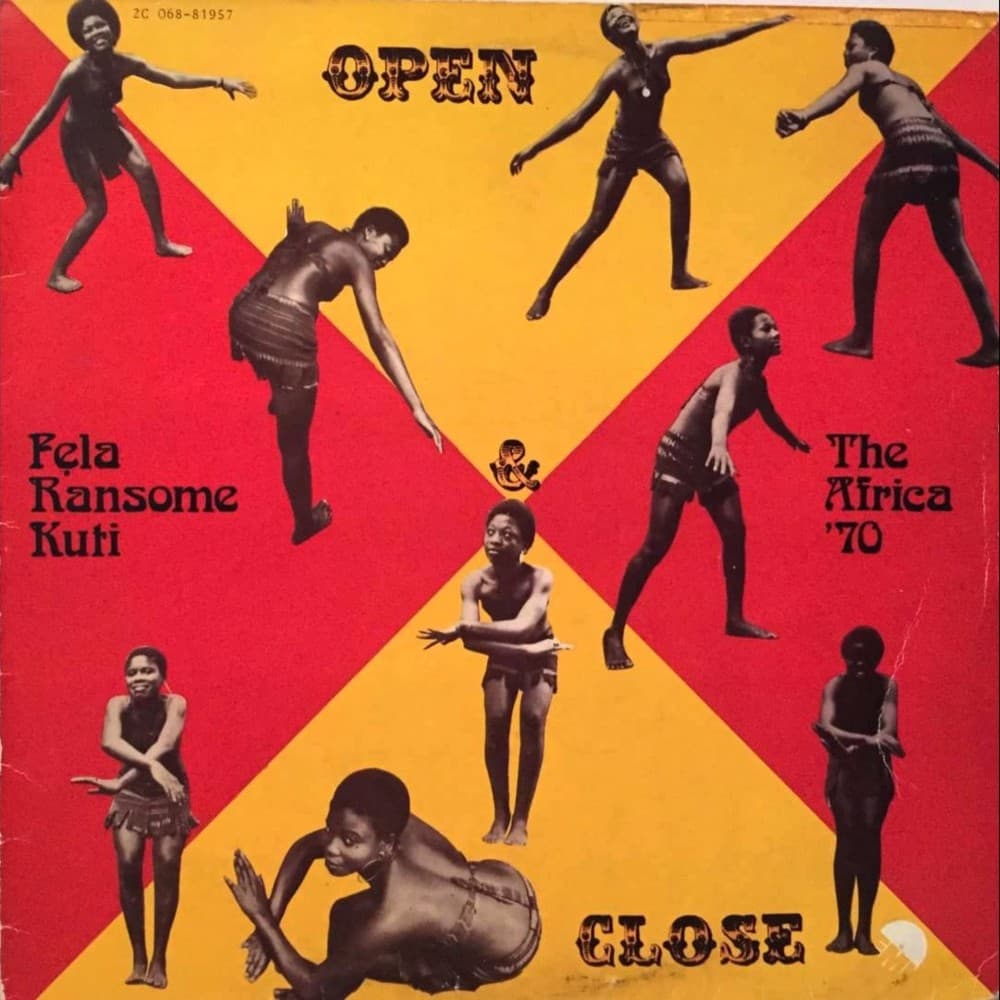
Open & Close / Afrodisiac
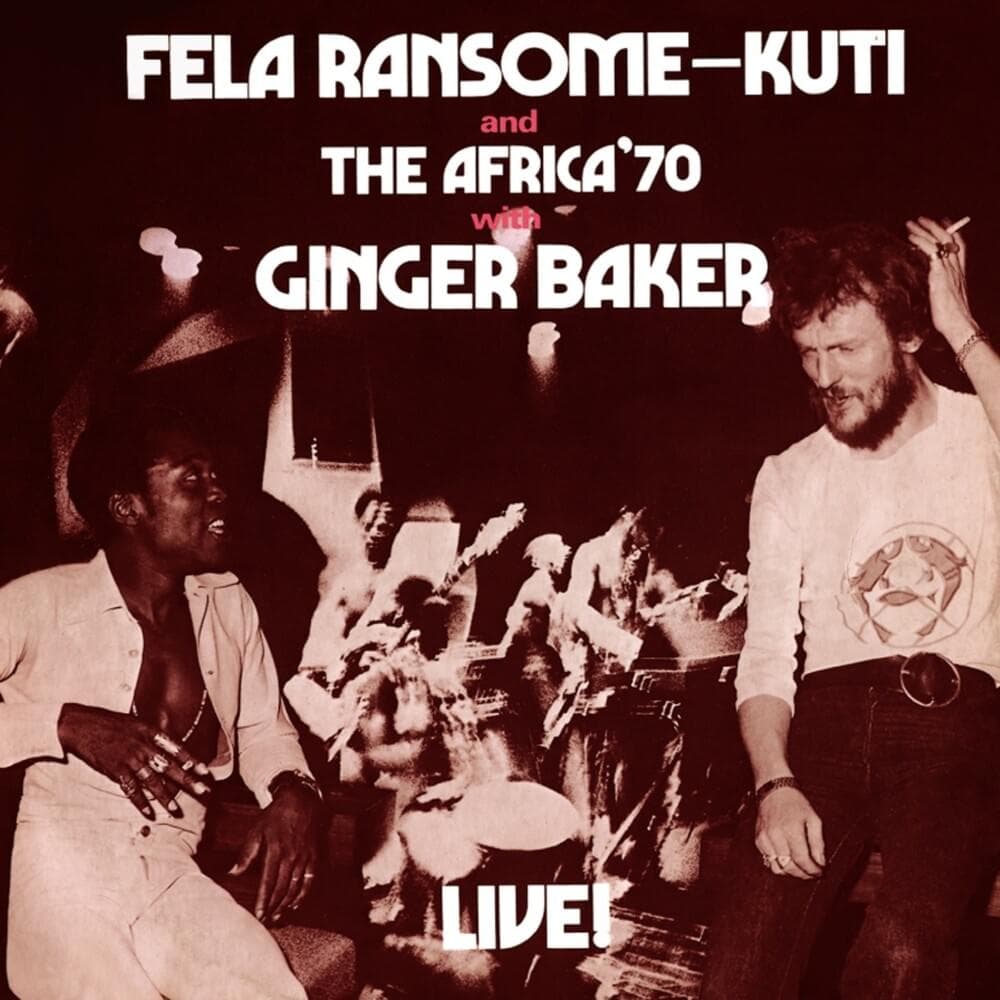
Fela With Ginger Baker Live!