Artist Bio
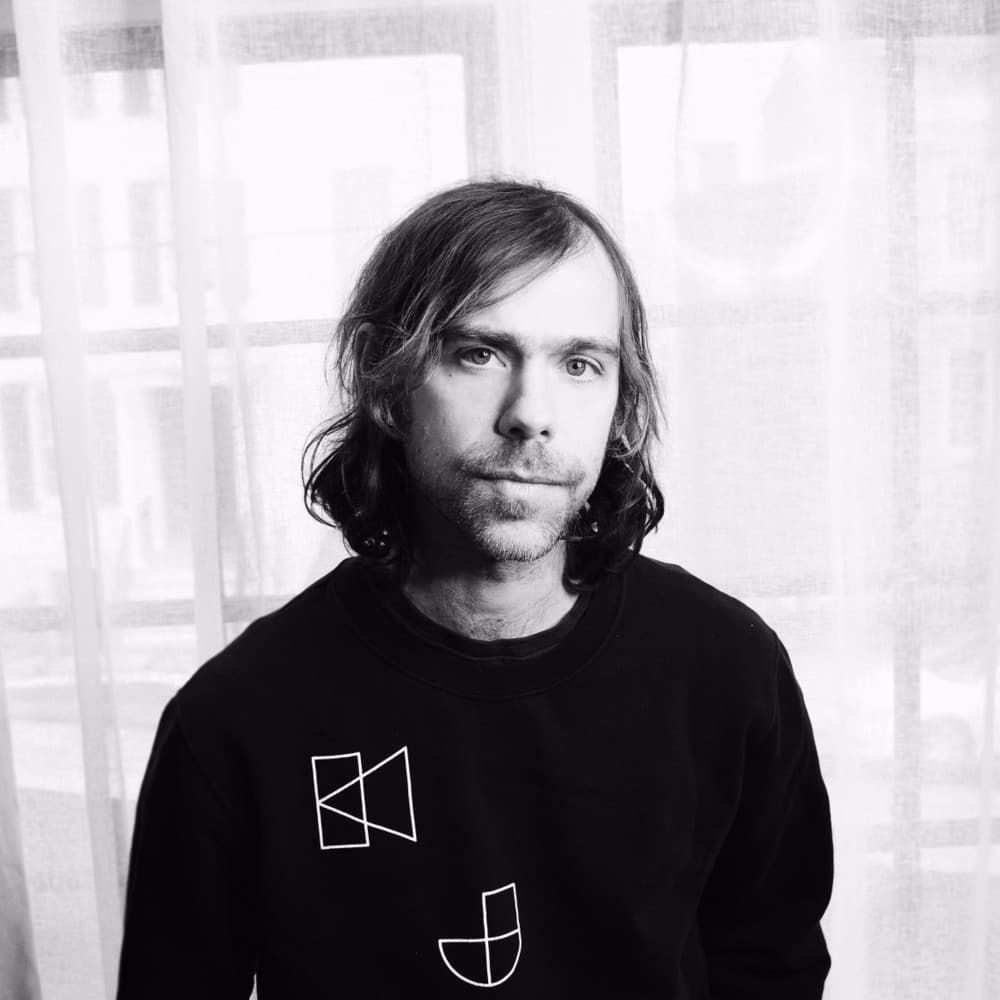
Aaron Dessner isn't just some dude with a guitar. He's the architect behind some of the most critically acclaimed and commercially successful albums of the 21st century. Yeah, we're talking about his work with Taylor Swift, but there's so much more to the story.
Before he was crafting chart-toppers, Dessner was knee-deep in the indie scene. He's the co-founder of The National, the band that basically soundtracked a generation's existential dread. Think brooding lyrics, atmospheric guitars, and Matt Berninger's baritone that could make anyone feel like they're in a Wes Anderson movie.
Born and raised in Ohio, Dessner's musical journey started early. Twin brother Bryce Dessner is also a composer and guitarist, making music a family affair. The brothers both ended up at Yale, soaking up all the intellectual vibes before diving headfirst into the New York music scene.
The National dropped their self-titled debut in 2001, but it was albums like *Boxer* and *High Violet* that solidified their place in indie rock history. Dessner's guitar work is instantly recognizable – intricate, layered, and always serving the song. If you've ever felt a little too much while listening to 'Fake Empire,' you know what we mean.
Then came the Taylor Swift connection. Dessner co-wrote and produced *Folklore* and *Evermore*, two surprise albums that redefined Swift's sound and proved that she's not afraid to experiment. These records weren't just commercially huge; they were critically acclaimed, earning Dessner a Grammy for Album of the Year. Suddenly, everyone wanted a piece of the Dessner magic.
Beyond Swift, Dessner has worked with a diverse range of artists, from Sharon Van Etten to Ed Sheeran. He co-founded Long Pond Studio, a recording haven in upstate New York that's become a go-to spot for musicians seeking a more intimate and collaborative environment. It's basically the chillest place to make an album.
What's next for Aaron Dessner? More genre-bending collaborations? More indie rock anthems? Probably both. He's proven that he can move seamlessly between the worlds of indie and pop, and his influence on modern music is only going to grow. He's not just a musician; he's a curator of vibes, a sonic architect, and low-key one of the most important figures in contemporary music.
 Afraid of Everyone
 Wherever I Fall - Pt. 1
 Flores Hunter
 Camden (Live)